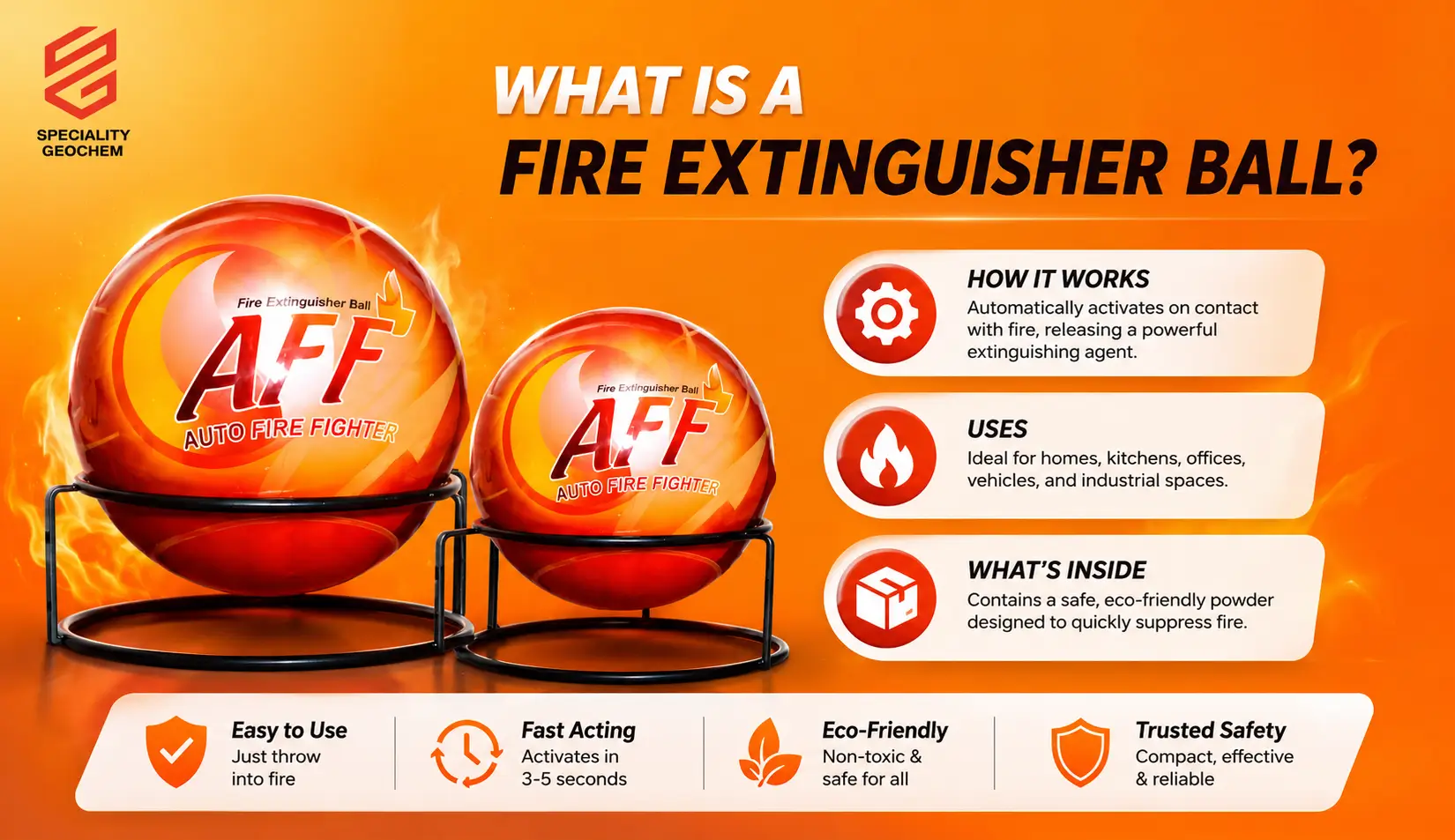
Fire extinguisher balls are designed to provide automatic fire suppression without requiring manual operation. When exposed to flames, the device activates and disperses fire-extinguishing powder across the surrounding area to suppress the fire quickly. Because of their automatic activation and ease of installation, these devices are increasingly used in homes, kitchens, electrical panels, warehouses, factories, and commercial buildings. However, understanding the Validity of a Fire Extinguisher Ball is equally important, as the device must remain within its operational lifespan to ensure reliable activation and effective fire suppression during an emergency.
Like any fire-safety equipment, a fire extinguisher ball does not last forever. It has a defined validity period and operational lifespan, and understanding the Validity of a Fire Extinguisher Ball is critical for maintaining reliable fire protection.
This guide explains how long a fire extinguisher ball lasts, how to identify expiry, how to inspect the device, and when replacement becomes necessary so that building owners and safety managers can ensure the device works when it is needed most.
What Is the Validity of a Fire Extinguisher Ball?
The validity of a fire extinguisher ball usually ranges between five and ten years, depending on the manufacturer, the extinguishing chemical used inside the ball, and the conditions in which it is stored.
Most fire extinguisher balls contain ABC dry chemical powder, which remains stable for several years when protected from moisture, heat, and direct sunlight. The outer shell and activation mechanism are designed to remain stable during this period so that the ball can activate instantly when it comes in contact with flames.
Manufacturers specify a recommended replacement period because over time the extinguishing powder can lose efficiency and the shell structure may weaken. Replacing the device before this limit ensures that the automatic activation mechanism works reliably during an emergency.
Why Fire Extinguisher Ball Validity Matters for Fire Safety
A fire extinguisher ball is expected to activate automatically within seconds when it encounters fire. If the device has passed its recommended lifespan, several things may reduce its effectiveness.
- The extinguishing powder may degrade or clump together, reducing its ability to suppress flames.
- The activation system may become less responsive to heat.
- The outer shell may weaken due to environmental exposure.
Fire protection systems rely on predictable performance, especially during the early stages of a fire. Regular inspection and replacement ensure the device remains capable of controlling fires before they spread.
How Long Does a Fire Extinguisher Ball Typically Last?
The Validity of a Fire Extinguisher Ball is generally about five years under normal storage and operating conditions. Some models designed for industrial use may last longer, but the general replacement cycle remains similar.
Typical lifespan expectations include:
Residential installations: Usually maintain full reliability for about five years.
Commercial installations: Often follow a five-year replacement cycle with routine inspections.
Industrial environments: May require earlier replacement because of higher temperatures, chemical exposure, or other harsh conditions.
Environmental factors such as humidity, heat, dust, and UV exposure can shorten the effective lifespan of fire-safety equipment.
Key Factors That Affect the Lifespan of a Fire Extinguisher Ball
Several external factors influence how long a fire extinguisher ball remains effective.
Environmental conditions
High humidity can affect the chemical powder inside the ball, while continuous heat exposure may weaken the outer casing.
Installation location
Devices installed directly above high-temperature machinery or chemical processing areas may degrade faster.
Manufacturing quality
The design of the shell, sealing of the powder chamber, and quality of extinguishing chemicals determine how well the device withstands long-term storage.
Handling and installation
Improper mounting or physical impact may damage the shell and reduce the reliability of the activation system.
Signs That a Fire Extinguisher Ball Has Reached Its Expiry
Unlike pressurized extinguishers, fire extinguisher balls usually rely on visual inspection and manufacturing dates to determine validity.
- You should check for the following warning signs:
- The manufacturing date indicates the device has passed its recommended lifespan.
- Cracks, dents, or damage appear on the outer shell.
- Powder residue or leakage is visible around the casing.
- The ball shows discoloration caused by excessive heat or sunlight exposure.
If any of these signs appear, replacing the device is the safest option.
Proper Storage Conditions to Maintain Fire Ball Validity
Correct storage conditions play a major role in preserving the effectiveness of a fire extinguisher ball. Even though these devices require minimal maintenance, they should still be protected from harsh environments.
For best results, install or store the device in areas that are:
- Dry and free from excessive moisture
- Protected from direct sunlight
- Away from continuous high temperatures
- Mounted securely near potential fire hazards
When installed correctly, the device remains ready to activate automatically in the event of a fire.
How to Inspect a Fire Extinguisher Ball
Routine inspection helps confirm that the device remains in usable condition. Because fire extinguisher balls are not pressurized like traditional extinguishers, the inspection process is simple and quick.
A practical inspection routine includes:
- Checking the manufacturing date to confirm the device remains within its validity period.
- Examining the outer shell for cracks, dents, or physical damage.
- Ensuring the ball remains securely mounted or positioned in its holder.
- Confirming that nothing blocks the ball from falling into a fire if it activates automatically.
In commercial buildings and industrial facilities, safety managers often include these checks during periodic fire safety inspections.
When Should You Replace a Fire Extinguisher Ball?
Replacement becomes necessary in three situations.
- The device has reached the end of its recommended lifespan.
- Physical damage or deterioration is visible during inspection.
- The ball has already activated during a fire incident.
Once activated, the ball cannot be reused because the extinguishing powder has already been released. Installing a replacement unit immediately ensures continuous fire protection.
Where Fire Extinguisher Balls Are Most Effective
Fire extinguisher balls are commonly installed in areas where fires can start quickly, and immediate human response may not be possible.
Typical locations include:
- Electrical panels and server rooms
- Residential kitchens
- Factories and manufacturing units
- Warehouses storing combustible materials
- Offices and commercial buildings
- Restaurants and hospitality facilities
Placing the device near potential ignition points increases the chances of early fire suppression, which is critical for preventing larger incidents.
Best Practices for Maintaining Fire Extinguisher Ball Reliability
Although fire extinguisher balls require minimal maintenance, following a few best practices ensures long-term reliability.
- Install the device near fire-risk areas such as electrical panels and kitchens.
- Perform periodic visual inspections.
- Record installation and replacement dates for safety documentation.
- Replace the ball before the recommended expiry period.
These practices help maintain an effective automatic fire-suppression system.
Frequently Asked Questions About Fire Extinguisher Ball Validity
How can I check the expiry date of a fire extinguisher ball?
Most fire extinguisher balls have a manufacturing date printed on the shell or packaging. By comparing this date with the recommended lifespan provided by the manufacturer, you can determine whether the device is still within its validity period.
Can a fire extinguisher ball still work after its expiry date?
An expired device might still activate, but its performance is no longer guaranteed. The extinguishing powder may degrade or the activation mechanism may weaken, which is why safety professionals recommend replacing the device before its expiry.
Does a fire extinguisher ball require servicing like traditional extinguishers?
No. Fire extinguisher balls usually do not require pressure testing or refilling. However, they should still be visually inspected periodically to ensure the shell remains intact and the device is within its operational lifespan.
What happens after a fire extinguisher ball activates?
When exposed to flames, the ball bursts and disperses fire-suppressing powder over the surrounding area. After activation, the device cannot be reused and must be replaced with a new unit.
Can environmental conditions reduce the lifespan of a fire extinguisher ball?
Yes. Continuous exposure to humidity, high temperatures, chemicals, or direct sunlight can shorten the lifespan of the device and reduce its effectiveness.
Should fire extinguisher balls replace traditional extinguishers?
Fire extinguisher balls are best used as supplementary fire protection devices. Many buildings use them alongside traditional extinguishers to provide both automatic and manual fire suppression options.
How many fire extinguisher balls should be installed in a building?
The number depends on the size of the building and the number of fire-risk areas. Kitchens, electrical panels, storage rooms, and machinery zones are common locations where installing fire extinguisher balls improves safety coverage.