Fire accidents are unpredictable and can happen anywhere—at home, in offices, or industrial spaces. The best way to safeguard lives and property is by being prepared with the right fire safety equipment. Among the many types of extinguishers available, the ABC Fire Extinguisher Cylinder is one of the most versatile and widely used solutions. It is designed to tackle multiple classes of fire, making it a reliable safety tool for different environments.
In this blog, we will explain what an ABC Fire Extinguisher Cylinder is, how it works, its benefits, and why having one installed is essential for comprehensive fire safety.
Understanding the ABC Fire Extinguisher Cylinder
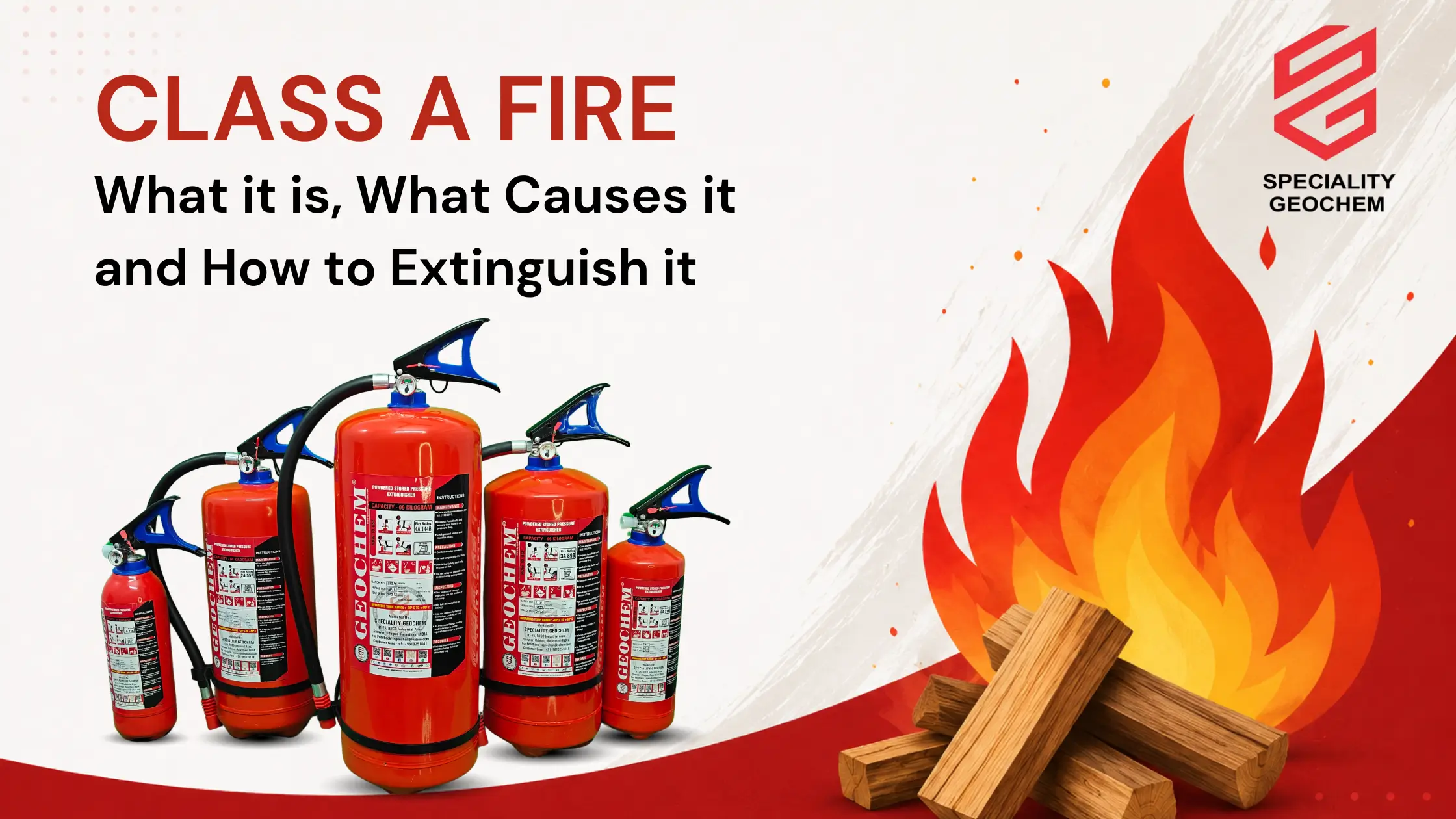
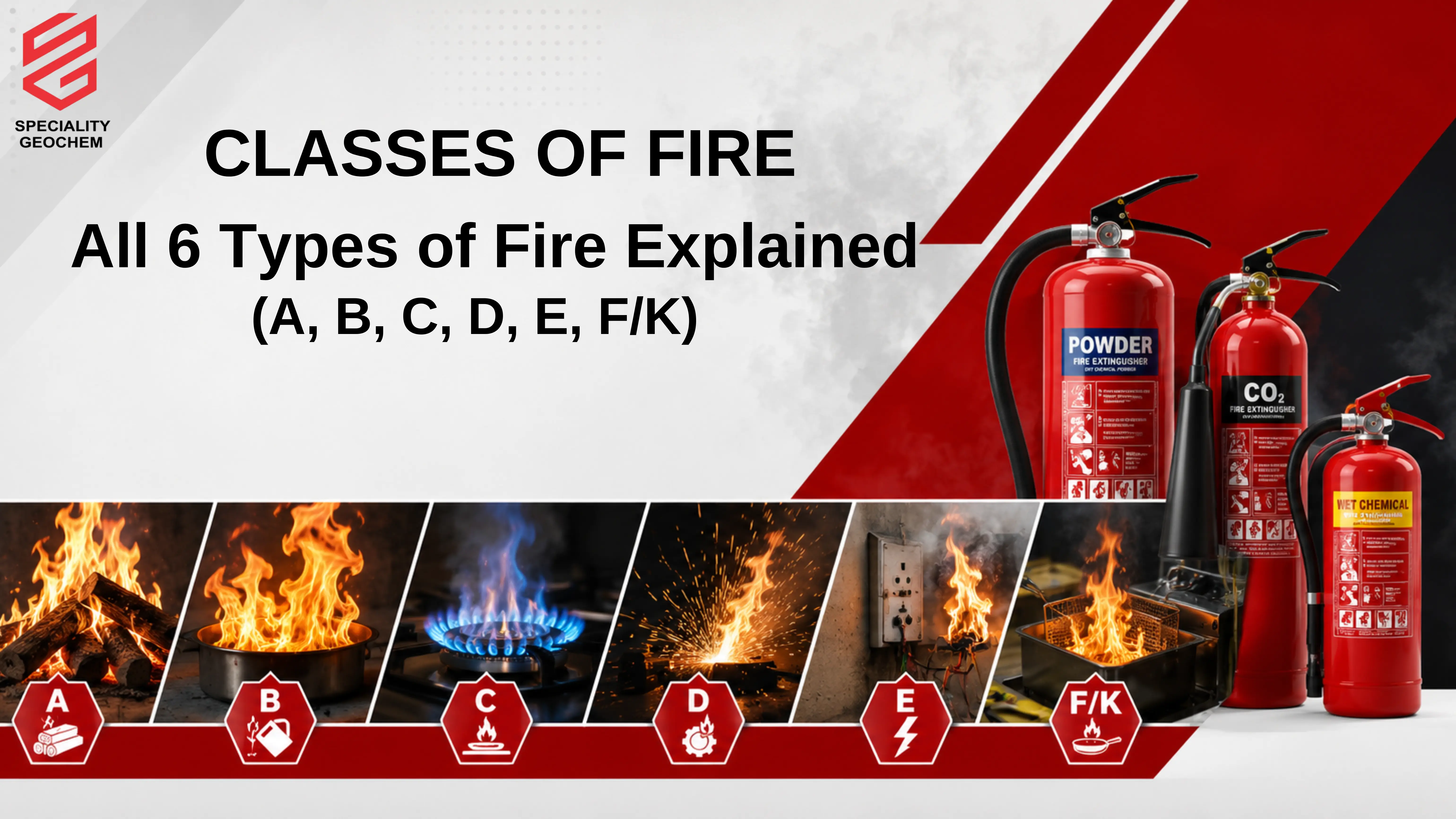
An ABC Fire Extinguisher Cylinder is a multipurpose extinguisher filled with mono ammonium phosphate, a dry chemical powder that can effectively control Class A, B, and C fires:
- Class A fires – involve ordinary combustible materials like paper, wood, and cloth.
- Class B fires – involve flammable liquids such as petrol, diesel, kerosene, paint, and oil.
- Class C fires – involve gases like LPG, propane, or methane, and also electrical fires caused by short circuits.
Because it can fight all three types of fires, the ABC extinguisher is considered an all-rounder in fire safety. This versatility is the reason why it is commonly found in homes, schools, offices, factories, and public places.
How Does an ABC Fire Extinguisher Cylinder Work?
The working of an ABC Fire Extinguisher Cylinder is based on a simple but powerful mechanism:
- Activation: The extinguisher is activated by pulling the safety pin, aiming the nozzle at the base of the fire, pressing the handle, and sweeping side to side.
- Chemical Reaction: When released, the dry powder inside forms a blanket over the fire, cutting off oxygen and interrupting the chemical chain reaction.
- Cooling Effect: For Class A fires, the powder helps cool down the burning material to prevent re-ignition.
- Smothering Effect: For Class B and C fires, the powder isolates the fuel from the surrounding air, which quickly suppresses flames.
This simple but effective process makes the ABC Fire Extinguisher Cylinder a preferred choice for emergencies.
Key Features of an ABC Fire Extinguisher Cylinder
- Multi-purpose usage: One cylinder can handle three different classes of fire.
- Quick activation: Easy-to-use design ensures even untrained people can operate it during emergencies.
- Non-conductive powder: Safe for use on electrical fires.
- Portable design: Available in different sizes, from handheld cylinders to larger models for industrial spaces.
- Long shelf life: Requires minimal maintenance compared to other fire safety systems.
Benefits of Installing an ABC Fire Extinguisher Cylinder
- All-in-One Protection
Instead of buying separate extinguishers for different fire classes, a single ABC Fire Extinguisher Cylinder provides comprehensive protection. - Cost-Effective Solution
Since it is versatile, it reduces the need for multiple extinguishers, making it more affordable for households and businesses. - User-Friendly Design
Lightweight models are easy to carry and can be operated by anyone after basic instructions. - Reliable in Emergencies
ABC cylinders provide instant suppression, reducing the risk of fire spreading and causing major damage. - Peace of Mind
Having an ABC Fire Extinguisher Cylinder installed gives families and employees confidence that they are prepared for fire hazards.
Where Should You Install an ABC Fire Extinguisher Cylinder?
The location of fire safety equipment is as important as the type of extinguisher itself. Ideally, ABC cylinders should be placed in:
- Homes – Kitchen, living room, garage, and near electrical switchboards.
- Offices – Server rooms, pantry, storage areas, and main corridors.
- Factories & Warehouses – Near machinery, chemical storage areas, and entry/exit points.
- Public Places – Schools, hospitals, shopping complexes, and theaters.
Placing them in easily accessible areas ensures quick action during emergencies.
Maintenance of an ABC Fire Extinguisher Cylinder
To ensure reliability, regular checks and maintenance are necessary:
- Inspect the pressure gauge monthly.
- Check for visible damage, leakage, or rust.
- Ensure the safety pin is intact and not tampered with.
- Get it serviced annually by a certified professional.
- Refill or replace after use, even if only partially discharged.
Proper upkeep guarantees that your extinguisher will function when you need it most.
Choosing the Right Size
ABC Fire Extinguisher Cylinders are available in different capacities, ranging from small 1 kg units for home kitchens to larger 9 kg models for industrial purposes. The right size depends on your environment and level of risk:
- 1-2 kg – Best for cars, small offices, and homes.
- 4-6 kg – Suitable for medium-sized offices, shops, and workshops.
- 9 kg and above – Recommended for large factories, warehouses, and commercial complexes.
Selecting the correct size ensures effective fire control in emergencies.
Why Every Home and Business Needs an ABC Fire Extinguisher Cylinder
Fires can spread in seconds, and waiting for the fire department can be too late. Installing an ABC Fire Extinguisher Cylinder provides the first line of defense, minimizing damage before professional help arrives. Whether you run a small business, manage an industrial unit, or simply want to protect your family at home, this device is an essential safety investment.
Conclusion
Fire safety is not optional—it is a responsibility. An ABC Fire Extinguisher Cylinder is one of the smartest and most affordable ways to protect your property, loved ones, and employees. With its ability to fight multiple types of fire, ease of use, and cost-effectiveness, it is the perfect choice for households, offices, and industries.
At Speciality Geochem, we are committed to delivering high-quality fire safety equipment designed to save lives and property. Our range of extinguishers, including ABC Fire Extinguisher Cylinders, is manufactured with strict quality standards to ensure maximum reliability in emergencies. By choosing our products, you take a vital step toward creating a safer environment for everyone.