
PASS method fire extinguisher means the 4-step technique used to operate most portable extinguishers safely. PASS stands for Pull, Aim, Squeeze, Sweep. Pull the safety pin, aim at the base of the fire, squeeze the handle, and sweep side to side until the fire is out. It is the standard method for ABC powder, CO2, water, and foam extinguishers.
The PASS method fire extinguisher process is the most widely taught way to use a portable extinguisher during the first stage of a fire. PASS stands for Pull, Aim, Squeeze, Sweep. If you have ever wondered PASS ka full form (the full form of PASS), this is it. Knowing these 4 steps can turn panic into action when seconds matter.
PASS Full Form in Fire Extinguisher and What It Means
The PASS full form fire extinguisher users should remember is:
- P = Pull the safety pin
- A = Aim at the base of the fire
- S = Squeeze the operating handle
- S = Sweep side to side
This acronym exists because emergencies create stress. People forget instructions under pressure, but 4 short words are easier to recall. In India, portable extinguisher handling guidance under IS 2190 supports proper trained operation methods like PASS.
The 4 Steps of the PASS Method Fire Extinguisher Explained Simply
Step 1: Pull the Pin
At the top of the extinguisher handle, there is a safety pin secured with a tamper seal. Pulling the pin unlocks the lever so the extinguisher can discharge. Without removing it, nothing will come out.
Hold the extinguisher upright. Twist the pin slightly while pulling if it feels tight. Some units have a plastic seal that must break first. Tamper seal todna bhi zaroori hai (breaking the tamper seal is also necessary).
Step 2: Aim at the Base of the Fire
Do not aim at the flames. Flames are only the visible result. The real target is the burning fuel source at the bottom.
Stand about 6 to 8 feet away first. Point the nozzle toward the base. Example: if a stove fire starts near an LPG source, direct the nozzle toward the burning source area, not dancing flames above it.
Step 3: Squeeze the Handle
Press the handles together firmly and steadily. This releases the extinguishing agent.
Do not pump repeatedly unless the extinguisher design specifically requires it. Most portable extinguishers discharge in 10 to 20 seconds, so every second counts. Full squeeze gives better flow than hesitant partial pressure.
Step 4: Sweep Side to Side
Move the nozzle in a slow side-to-side motion across the base of the fire. Cover the full burning area.
Keep sweeping until flames disappear. Then watch the area for re-ignition. Back away slowly if the fire returns. Wait and observe for a few minutes because flare-ups are common.
When You Should Use the PASS Method and When You Should Not
Use PASS when:
- The fire is small, contained, and recently started
- It is roughly smaller than a dustbin
- You have a clear exit behind you
- The extinguisher matches the fire type
- You feel confident or have training
Do NOT use a fire extinguisher if:
- Fire is taller than you or spreading fast
- Thick smoke fills the room
- You do not know what is burning
- You do not know how to operate the unit
- Your escape route is blocked
If in doubt, leave immediately and call 101.
Which Fire Extinguisher Types Use the PASS Method
| Extinguisher Type | Fire Class | PASS Method | Notes |
|---|---|---|---|
| ABC Dry Powder | A, B, C | Yes | Common in India for homes and offices |
| CO2 | B, C | Yes | Good for electrical fires |
| Water-Based | A | Yes | Never use on live electrical fires |
| Foam | A, B | Yes | Useful on liquid fires |
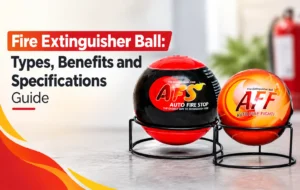
| Fire Extinguisher Ball | A, B, C | Auto activates | No PASS needed |
Speciality Geochem manufactures these categories including ABC Powder Fire Extinguishers, CO2 Fire Extinguishers, and Fire Extinguisher Balls.
Common PASS Method Mistakes That Make Things Worse
- Aiming at flames instead of fuel source wastes agent.
- Standing too close increases heat and chemical exposure risk.
- Forgetting to pull the pin fully prevents discharge.
- Short random bursts may empty the extinguisher too soon.
- Fighting a large fire alone delays evacuation and emergency response.
PASS Method for Different Fire Scenarios in India
Scenario 1: Kitchen Fire (LPG / Cooking Oil Area)
Use an ABC or suitable kitchen-rated extinguisher if safe. Pull the pin, aim at the burning source, squeeze, and sweep. Shut off gas only if it is safe to do so. Never throw water on oil flames.
Scenario 2: Electrical Panel Fire
Use CO2 or ABC extinguisher. Pull the pin, aim at the panel base area, squeeze, and sweep carefully. If possible, isolate power first. Never use water.
Scenario 3: Factory or Warehouse Fire
For packaging, paper, or mixed materials, use ABC units. Pull, aim low, squeeze, and sweep while keeping an exit behind you. If flames spread to stock rows or ceiling, evacuate and trigger alarms.
PASS Method FAQs
PASS full form in fire extinguisher kya hota hai?
The Hindi search query asks for the meaning of PASS. PASS stands for Pull, Aim, Squeeze, Sweep. It is the standard memory method for using portable extinguishers safely.
What is the PASS method in fire safety?
It is a 4-step operating method for extinguishers. Pull the pin, aim at the base, squeeze the handle, and sweep side to side.
Can anyone use the PASS method without training?
Basic use is possible, but training improves speed and safety. Even a short demonstration helps reduce panic during emergencies.
How long does a fire extinguisher last when discharged?
Many portable units discharge in 10 to 20 seconds, depending on size and type. Larger units may last longer.
What is the correct distance to stand?
Usually begin around 6 to 8 feet away, then move closer only if safe and flames reduce.
Does the PASS method work for all extinguishers?
It works for most portable handheld extinguishers. Always read the label because some specialty systems differ.
What should I do after using a fire extinguisher?
Watch for re-ignition, report the incident, ventilate if safe, and recharge or replace the extinguisher immediately.
Is the PASS method used in India?
Yes. It is widely taught in Indian fire training programs and aligns with safe portable extinguisher operation practices.
What happens if I use the wrong extinguisher type?
You may worsen the fire. Example: water on electrical or oil fires can be dangerous.
How do I know if my extinguisher is ready?
Check pressure gauge, pin, tamper seal, visible label, body condition, and service date monthly.
Fire Extinguisher Maintenance After PASS Use
Any extinguisher used even partially should be recharged or replaced. A half-used unit may fail when needed next time.
Check the pressure gauge monthly. Green zone usually means ready. Ensure the pin and tamper seal are intact. Weigh units where applicable to detect leakage or hidden discharge. Under Indian maintenance practice such as IS 2190, annual inspection by qualified personnel is recommended.
Why the PASS Method Matters: The Numbers
- Small fires can often be controlled in under 30 seconds with prompt correct action.
- Fire growth can double rapidly in early stages if unchecked.
- NFPA guidance frequently emphasizes early extinguisher use for incipient fires.
- Thousands of fire incidents are reported annually in India through civic and official records.
- Speciality Geochem has manufactured fire safety equipment since 1996.
Speed matters. The first minute of a fire can behave like a spark becoming a dragon. Knowing the PASS method fire extinguisher steps can be the difference between a minor scare and a major loss. Learn it, teach your family, share it with coworkers, and drop it into office WhatsApp groups today. Fire does not wait, but prepared people do better.


11 Responses