Fire safety has evolved from basic precautionary measures to highly structured systems designed to protect lives, property, and business continuity. In homes, offices, factories, hospitals, and public spaces, fire risks are managed through a combination of technology, planning, and reliable equipment. At the heart of these systems lies one of the most critical components—Fire Extinguisher Cylinders in Modern Fire Safety—which act as the first line of defense when a fire breaks out.
Unlike large-scale fire suppression systems that activate automatically, fire extinguisher cylinders empower individuals to respond immediately. Their accessibility, versatility, and proven effectiveness make them indispensable in modern fire safety planning.
Understanding Fire Extinguisher Cylinders
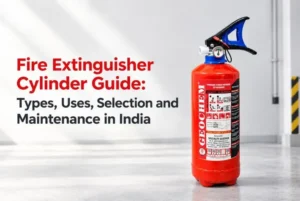
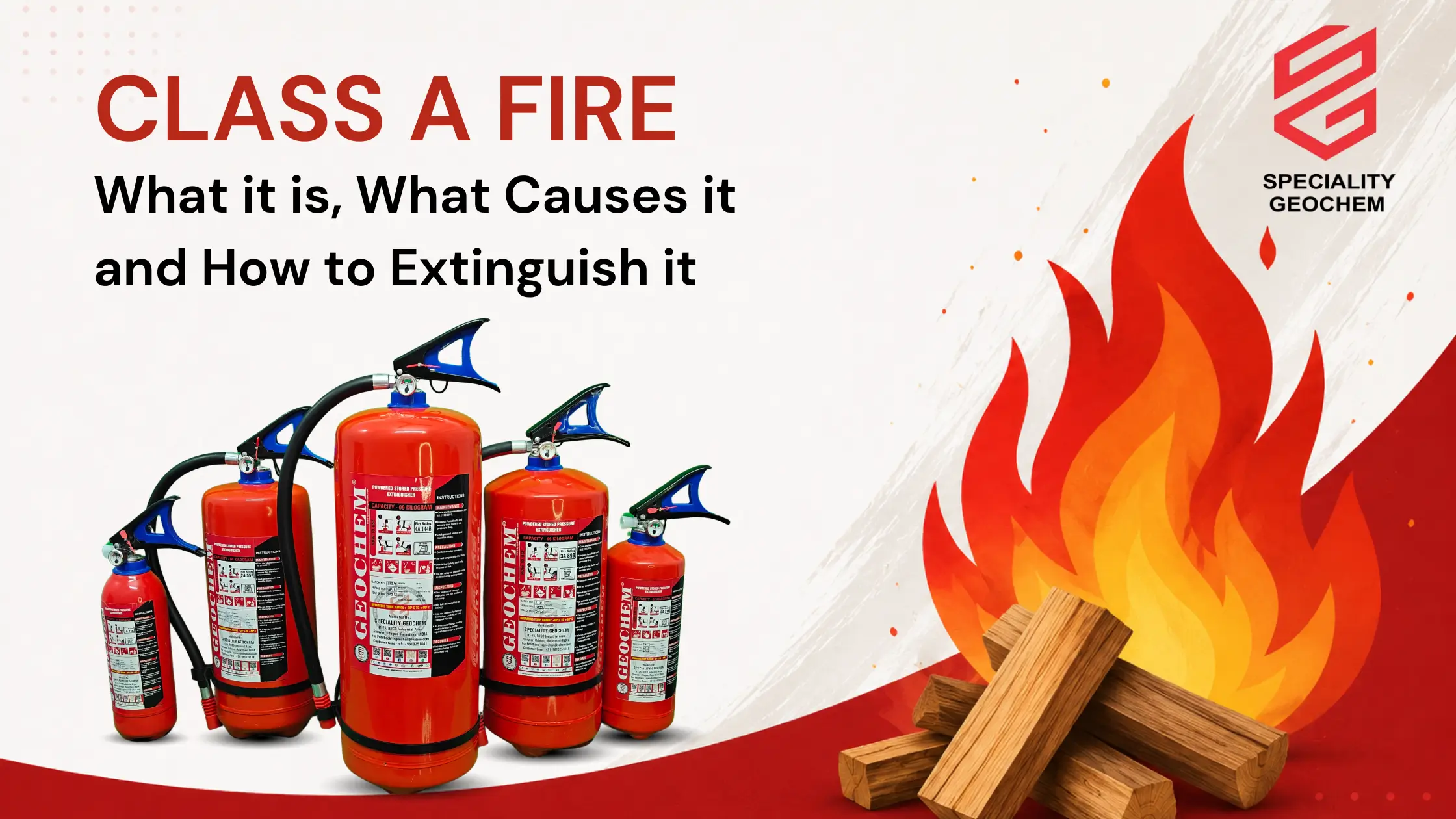
A fire extinguisher cylinder is a pressure vessel designed to store and discharge a fire-suppressing agent. These agents may include water, foam, dry chemical powder, carbon dioxide, or clean agents, each suited to different types of fires. The cylinder itself is engineered to withstand high internal pressure while remaining portable and easy to operate.
Modern cylinders are manufactured using durable materials such as mild steel or aluminum alloys, ensuring long service life and resistance to corrosion. Advanced coating technologies further enhance their reliability, especially in industrial and coastal environments.
Why Fire Extinguisher Cylinders Are Critical in Today’s Safety Systems
The role of Fire Extinguisher Cylinders in Modern Fire Safety goes beyond merely extinguishing flames. They are designed to:
- Enable rapid response before a fire spreads
- Minimize damage and downtime
- Protect occupants during evacuation
- Complement automated fire detection and alarm systems
In many cases, a fire that is controlled within the first few seconds can prevent catastrophic losses. Fire extinguisher cylinders provide that crucial window of control.
Types of Fire Extinguisher Cylinders and Their Applications
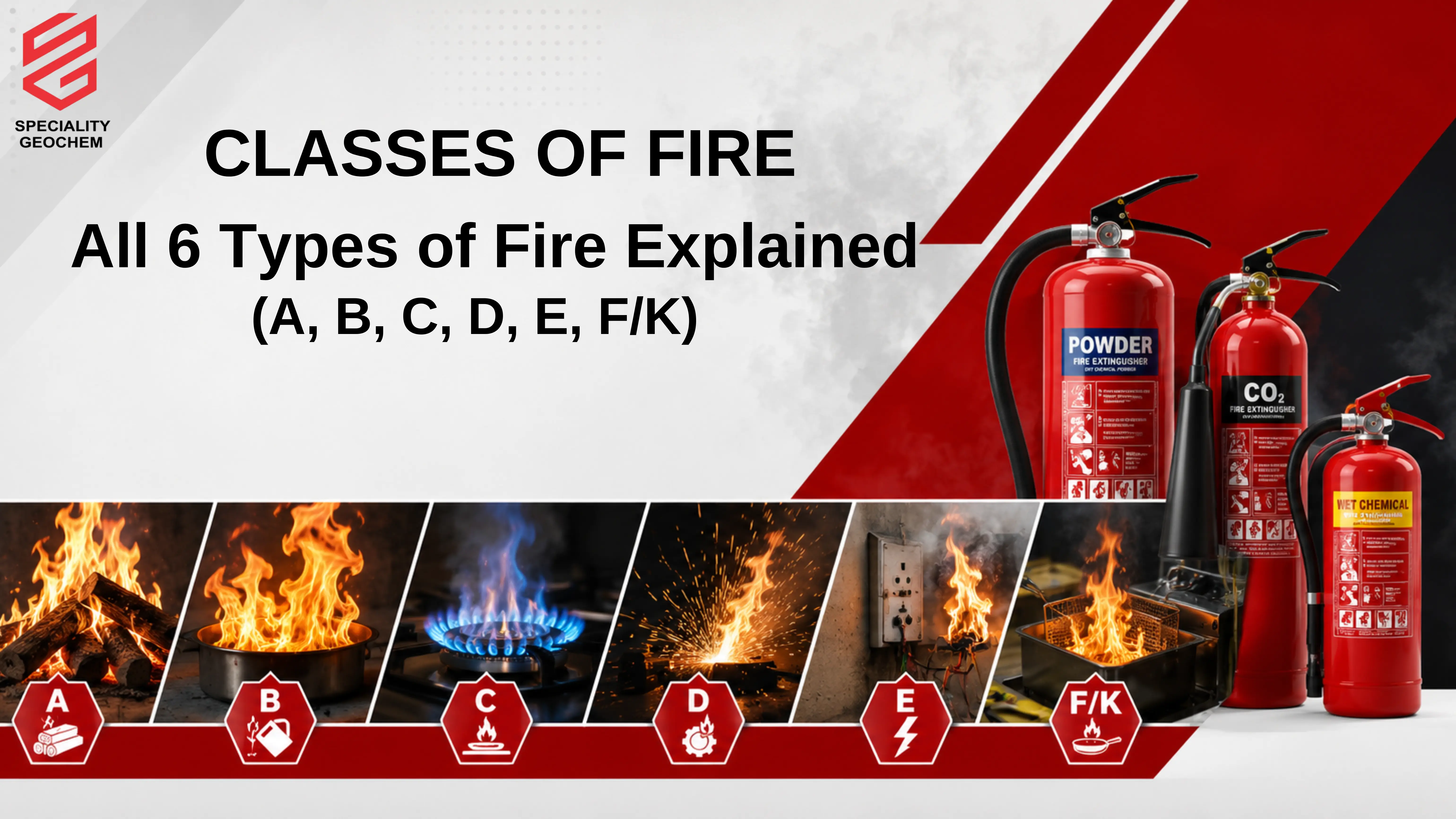
Modern fire safety systems rely on different types of extinguisher cylinders, each addressing specific fire risks:
1. Water-Based Cylinders
Used mainly for Class A fires involving solid combustibles like paper, wood, and textiles. Common in residential buildings, schools, and offices.
2. Foam Fire Extinguisher Cylinders
Effective for Class A and B fires, especially flammable liquids. Widely used in warehouses, fuel storage areas, and workshops.
3. Dry Chemical Powder Cylinders
Highly versatile and suitable for Class A, B, and C fires. These are common in industrial plants, vehicles, and commercial buildings.
4. CO₂ Fire Extinguisher Cylinders
Ideal for electrical fires and flammable liquids. They leave no residue, making them suitable for server rooms, laboratories, and control panels.
5. Clean Agent Cylinders
Used in data centers, hospitals, and sensitive environments where residue-free fire suppression is critical.
Each type reinforces the importance of selecting the right extinguisher based on risk assessment and usage environment.
Integration with Modern Fire Safety Infrastructure
Today’s buildings are equipped with layered fire protection strategies. Smoke detectors, heat sensors, alarm systems, sprinklers, and emergency exits all work together. Within this ecosystem, Fire Extinguisher Cylinders in Modern Fire Safety serve as manual intervention tools.
They are strategically placed near exits, corridors, and high-risk zones to ensure easy access. Modern safety codes mandate clear signage, mounting heights, and routine inspections to maintain readiness. When integrated correctly, extinguisher cylinders act as a bridge between early detection and large-scale suppression.
Technological Advancements in Fire Extinguisher Cylinders
Fire extinguisher technology has seen significant advancements in recent years:
- Lightweight cylinder designs for easier handling
- Improved discharge valves for better control
- Eco-friendly extinguishing agents that reduce environmental impact
- Longer service intervals with enhanced safety seals
These innovations strengthen the role of Fire Extinguisher Cylinders in Modern Fire Safety, ensuring they remain relevant in increasingly complex risk environments.
Importance of Proper Placement and Maintenance
Even the most advanced fire extinguisher cylinder is ineffective if poorly maintained or incorrectly placed. Regular inspection, pressure checks, refilling schedules, and hydrostatic testing are essential to ensure performance during emergencies.
Training is equally important. Occupants and employees should know:
- Which extinguisher to use
- How to operate it correctly
- When to use it and when to evacuate
Well-maintained cylinders combined with trained users significantly improve fire response outcomes.
Role in Residential, Commercial, and Industrial Safety
The relevance of Fire Extinguisher Cylinders in Modern Fire Safety differs slightly across sectors but remains equally vital:
- Residential spaces: Provide immediate protection against kitchen fires and electrical short circuits
- Commercial buildings: Help safeguard employees, customers, and assets
- Industrial facilities: Act as critical safety tools where flammable materials and machinery increase fire risk
From small apartments to large manufacturing plants, extinguisher cylinders are tailored to meet specific safety needs.
Compliance with Fire Safety Regulations
Fire safety authorities and building codes mandate the installation of fire extinguisher cylinders based on building type, occupancy, and hazard level. Compliance not only ensures legal safety but also reflects responsible risk management.
Modern fire audits focus on:
- Correct extinguisher type
- Adequate quantity and coverage
- Visibility and accessibility
- Valid certification and service records
Meeting these standards reinforces the reliability of fire safety systems as a whole.
Future of Fire Extinguisher Cylinders
As fire risks evolve with new materials, technologies, and urban infrastructure, fire extinguisher cylinders will continue to adapt. Smart indicators, IoT-based monitoring, and improved agent formulations are expected to shape the next generation of fire safety equipment.
Despite advancements in automation, human-operated tools will always remain essential. The continued importance of Fire Extinguisher Cylinders in Modern Fire Safety highlights their unmatched role in immediate fire response.
Conclusion
Fire extinguisher cylinders are not merely regulatory requirements—they are critical first-response tools that save lives, protect assets, and minimise damage during fire emergencies. Their rapid action at the initial stage of a fire makes them indispensable across industrial, commercial, and residential environments. At Speciality Geochem, we understand that effective fire safety depends on selecting the right extinguisher, ensuring correct placement, and maintaining consistent performance. As safety expectations and compliance standards continue to rise, reliable fire extinguisher cylinders remain the backbone of modern fire protection systems, delivering practical, dependable, and proven protection when it matters most.