In today’s world, electrical equipment powers almost every aspect of our lives—homes, offices, industries, and even vehicles. But with this convenience comes the risk of electrical fires, one of the most dangerous and unpredictable types of fire accidents. Unlike conventional fires caused by combustible materials, electrical fires spread quickly, release toxic fumes, and cannot be doused with water. This is where modern firefighting technology comes into play, and among the most innovative solutions is the Fire Extinguisher Ball for Electrical Fires. Compact, automatic, and easy to use, this device is changing how people prevent and control electrical fire hazards.
The Growing Risk of Electrical Fires
Electrical fires can originate from short circuits, overloaded sockets, damaged wires, or faulty appliances. In residential settings, kitchen gadgets, heaters, and wiring faults are common culprits. In commercial and industrial zones, large machinery, computers, and high-voltage equipment are at risk. Traditional fire extinguishers, while effective, require training, quick reflexes, and presence of mind to operate correctly during an emergency. Unfortunately, panic often slows down human response time. This is why an automatic solution like a fire extinguisher ball is gaining popularity as a first line of defense.
What is a Fire Extinguisher Ball?
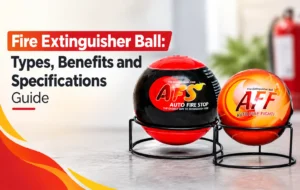
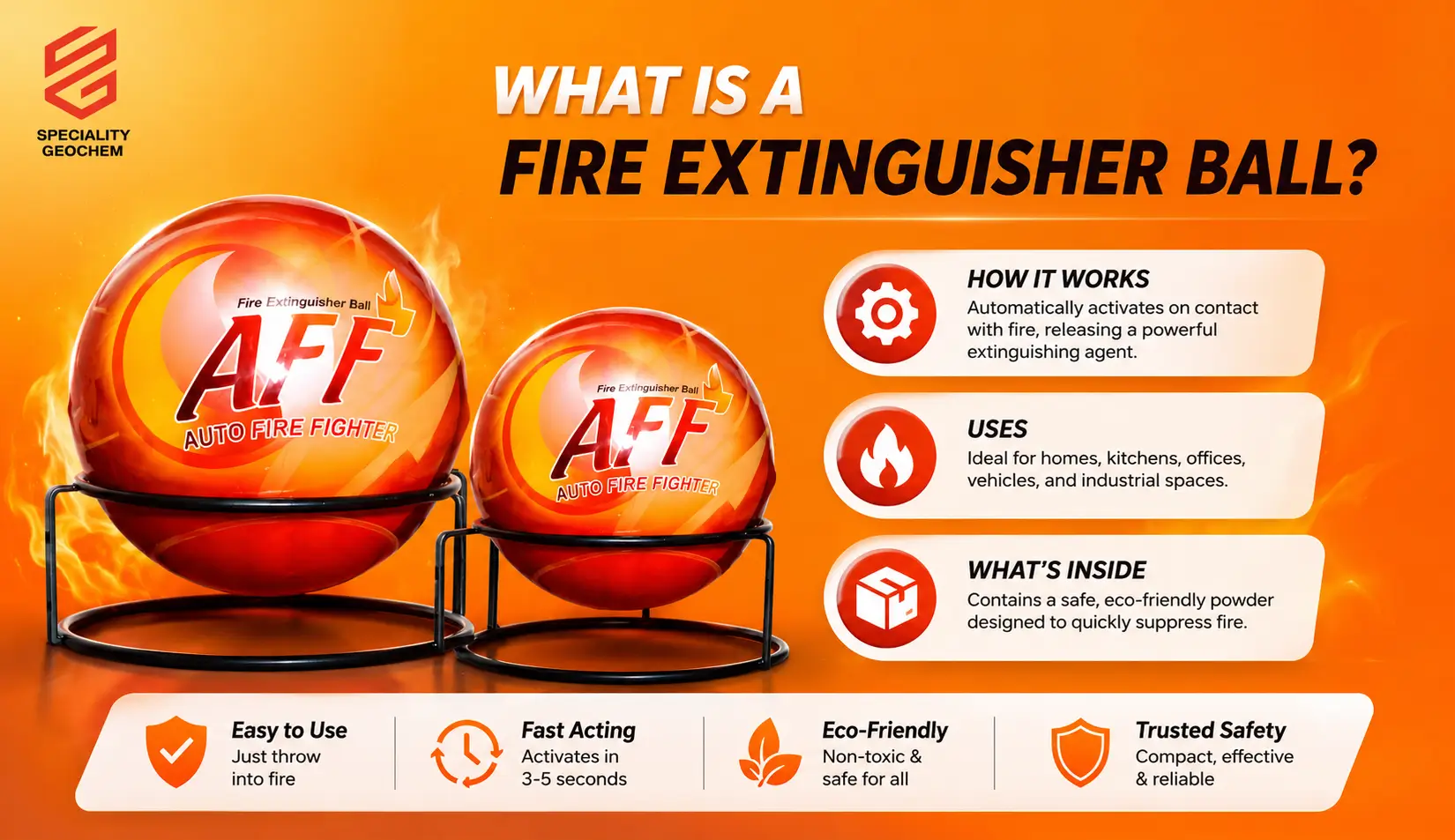
A fire extinguisher ball is a lightweight, spherical device filled with dry chemical powder—typically mono ammonium phosphate. The ball is designed to activate within 3 to 10 seconds when it comes into contact with flames. Once triggered, it bursts with a loud sound (around 120 decibels), dispersing fire-suppressing powder over an area of about 3–5 square meters.
The ball is extremely easy to install—simply place it on a shelf, hang it above a risk zone, or keep it near electrical panels. Unlike traditional extinguishers, it requires no pulling of pins or pressing of levers. Its automatic activation makes it particularly useful when no one is around to respond immediately.
Why Choose Fire Extinguisher Ball for Electrical Fires?
The greatest advantage of using a Fire Extinguisher Ball for Electrical Fires is its safety factor. Since electrical fires cannot be extinguished with water due to the risk of electrocution, using the correct extinguishing agent is crucial. The dry chemical powder inside the ball is non-conductive and designed to cut off oxygen and heat, effectively suppressing electrical flames.
Key Benefits:
- Hands-Free Operation – No need for training or quick manual handling.
- Automatic Activation – Works even if no one is present.
- Lightweight Design – Easy to carry, weighing around 1.3 to 1.5 kilograms.
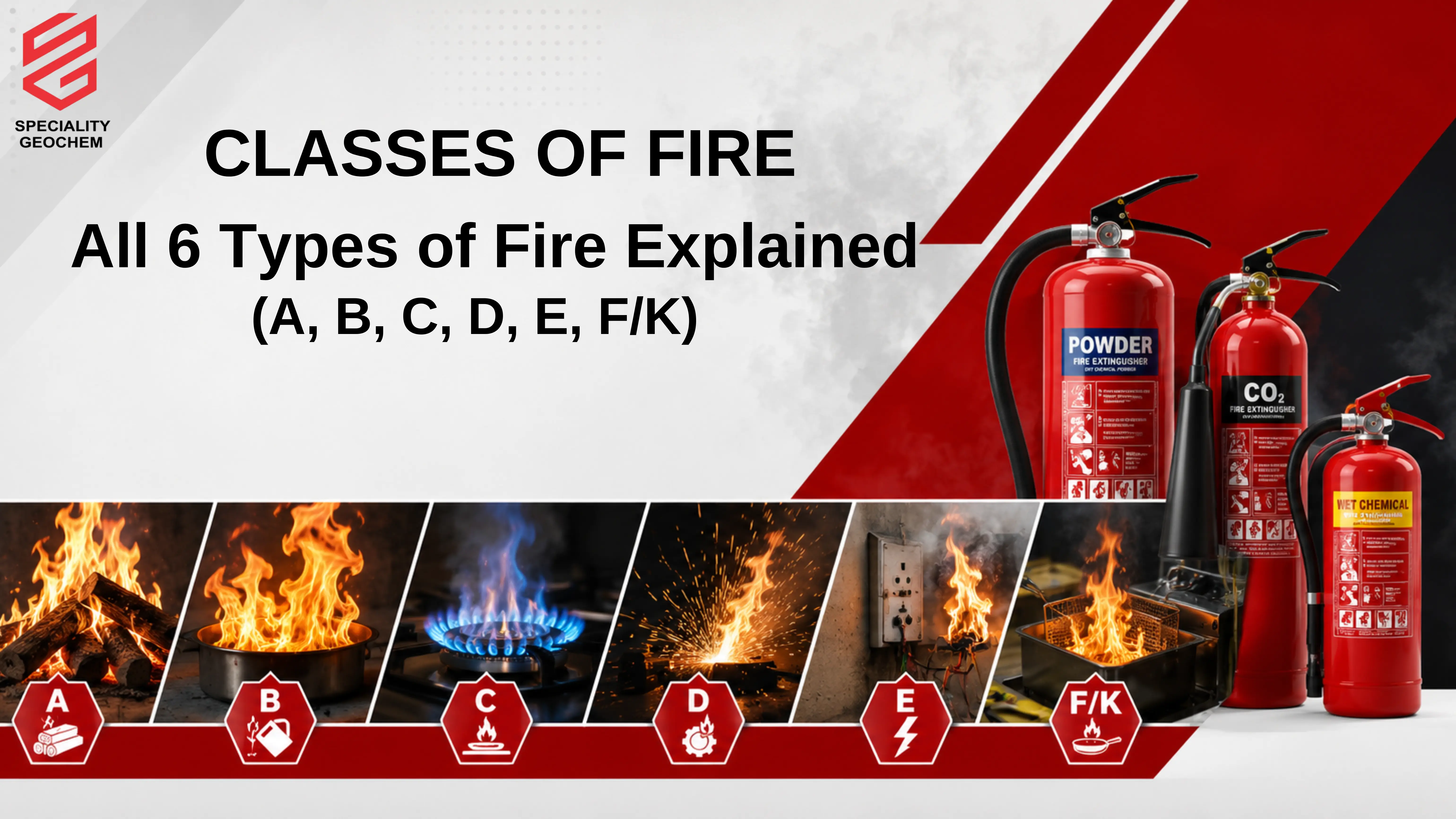
- Multi-Purpose – Can also fight Class A (solid), Class B (liquid), and Class C (gas) fires in addition to electrical fires.
- Audible Alarm – Alerts people nearby when activated.
This makes the fire extinguisher ball not only a prevention tool but also a life-saving device during critical moments.
Ideal Placement for Maximum Protection
To get the best results, it is essential to install the fire extinguisher ball in strategic locations where electrical fire risks are high. Common areas include:
- Residential Spaces: Near fuse boxes, kitchens, and power outlets.
- Offices: Close to server rooms, computer workstations, and air-conditioning units.
- Factories and Warehouses: Around heavy machinery, control panels, and generators.
- Commercial Establishments: Near elevators, billing counters, and storage areas with electrical wiring.
By installing the device in these zones, you create a protective shield that automatically combats any fire outbreak without waiting for human intervention.
How it Works in Real-Life Scenarios
Imagine a scenario in an office where a server overheats and catches fire after working overnight. Since the incident occurs outside office hours, no staff members are present to operate a fire extinguisher. Without immediate action, the fire could spread, damaging expensive infrastructure and putting lives at risk. But if a Fire Extinguisher Ball for Electrical Fires is placed near the server rack, it activates automatically, suppressing the flames before they escalate.
This real-world application highlights its importance in providing 24/7 protection, ensuring safety even in unmonitored environments.
Comparison with Traditional Fire Extinguishers
While traditional extinguishers remain necessary in workplaces and public places, they have limitations when it comes to accessibility and usability. For example:
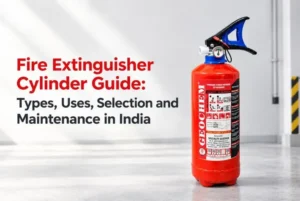
- Weight & Training: Cylindrical extinguishers are heavy and require instructions for proper use.
- Maintenance: They need regular refilling and inspections.
- Human Dependency: Immediate presence and quick decision-making are crucial.
On the other hand, a fire extinguisher ball is maintenance-free, compact, and requires no human action once installed. This makes it a complementary tool alongside conventional extinguishers.
Safety Standards and Durability
Quality fire extinguisher balls are tested against international safety standards such as ISI, UL, or CE certifications. They generally come with a shelf life of around 5 years and remain effective throughout without refilling. Since they are non-toxic and environmentally friendly, they do not leave harmful residues after activation, which is another advantage in protecting sensitive equipment and spaces.
Choosing the Right Product
With rising demand, the market now offers multiple variants of fire extinguisher balls. When selecting one, consider the following:
- Size and Weight: Standard versions weigh 1.3–1.5 kg.
- Coverage Area: Ensure it covers at least 3–5 square meters.
- Powder Quality: Look for mono ammonium phosphate-based compositions.
- Certification: Always choose certified products for reliability.
- Manufacturer Reputation: Opt for trusted brands known for fire safety products.
Conclusion
At a time when electrical fire risks are rising in homes, offices, and industries, prevention tools like the Fire Extinguisher Ball for Electrical Fires are no longer optional—they are essential. Quick, automatic, and maintenance-free, this innovative safety device ensures round-the-clock protection without requiring human intervention.
At Speciality Geochem, we are proud to be at the forefront of manufacturing high-quality fire safety solutions in India. Our fire extinguisher balls are designed with advanced technology, certified for reliability, and crafted to safeguard lives and property against unpredictable fire hazards. Whether you need protection for residential spaces, commercial buildings, or industrial facilities, Speciality Geochem delivers products you can trust.
Choosing us means choosing a partner committed to innovation, safety, and long-term reliability. Together, let’s build a safer future where fire risks are controlled before they become disasters.