How to Choose the Right Fire Extinguisher Manufacturer in India? The short answer to how to choose a fire extinguisher manufacturer in India is simple. Pick a company that proves three things: certified manufacturing, real testing procedures, and reliable after-sales service. If even one of those is missing, walk away.
I’ve spent more than three decades around fire protection systems. Factories, hotels, warehouses, small offices. The pattern is always the same. When an extinguisher fails during an emergency, the problem almost always traces back to poor manufacturing or poor maintenance.
Fire extinguishers are not complicated devices. A steel cylinder, an extinguishing agent, pressure, and a discharge valve. But the difference between a reliable extinguisher and a dangerous one comes down to quality control and compliance.
Let’s go through what actually matters when choosing a manufacturer.
Most buyers choose the wrong fire extinguisher manufacturer for one reason
Price.
Procurement teams often buy the cheapest unit they can find. The result is cylinders that leak pressure within a year or valves that jam when you pull the pin.
According to the National Fire Protection Association (NFPA), portable fire extinguishers successfully control over 80 percent of small fires when used early (NFPA Fire Protection Research Foundation). That success rate assumes the equipment works correctly.
Cheap extinguishers change that equation.
I once inspected a warehouse where every extinguisher showed full pressure on the gauge. We discharged one during testing. The powder barely came out. The cylinder pressure had leaked slowly over time. The gauge was faulty.
That entire building had a false sense of security.
Why certification is the first thing you verify when choosing a fire extinguisher manufacturer in India
If the extinguisher does not carry proper certification, it should not even be considered.
In India the critical approval is BIS certification with an ISI mark.
The Bureau of Indian Standards regulates fire extinguisher quality under standards like:
- IS 15683 for ABC dry powder extinguishers
- IS 2878 for CO₂ extinguishers
- IS 2190 for maintenance and inspection
These standards define things like discharge time, pressure tolerance, and corrosion resistance.
According to the Bureau of Indian Standards, certified extinguishers must pass pressure and leakage tests before approval. (Source: BIS Fire Safety Standards Documentation)
If a supplier cannot show BIS compliance documentation, move on.
A legitimate BIS certified fire extinguisher manufacturer will happily share:
- certification numbers
- product test reports
- manufacturing license details
No hesitation.
Manufacturing quality decides whether the extinguisher works when it matters
A fire extinguisher cylinder holds pressurized material. Poor manufacturing turns that into a safety risk.
Here is what good manufacturers do differently.
Cylinder forming
High-grade extinguishers use deep-drawn steel cylinders. The steel thickness is controlled and tested. Inferior cylinders are thinner and prone to corrosion.
Internal coating
ABC powder reacts with moisture. Manufacturers apply internal anti-corrosion coatings to prevent powder degradation.
Valve assembly
The valve body, discharge hose, and safety pin must withstand repeated pressure cycles. Good manufacturers use brass valve assemblies instead of cheap alloys.
Powder quality
ABC powder is usually monoammonium phosphate. Quality powder must have proper particle size and flow characteristics. Poor powder clumps over time.
These are details buyers rarely ask about.
But they are exactly what separates serious fire extinguisher manufacturing companies from trading companies.
Many buyers don’t realize the difference between a manufacturer and a distributor
This mistake happens constantly.
A distributor buys extinguishers from someone else and resells them. That is not necessarily bad. But it means they have zero control over quality.
A real fire safety equipment manufacturer in India typically has:
- cylinder production facility
- filling station for extinguishing agents
- pressure testing equipment
- BIS certification license
If the supplier cannot explain their manufacturing process, they are probably a distributor.
And distributors cannot fix manufacturing defects.
Fire extinguisher manufacturing involves more testing than most buyers expect
Reliable manufacturers test every batch. Not just random samples.
Key tests include:
Hydrostatic pressure testing
Each cylinder is filled with water and pressurized above its working limit. This confirms structural strength.
Leak testing
Valves and seals are tested to confirm pressure retention.
Discharge testing
The extinguisher is activated to confirm proper spray pattern and discharge time.
For example, according to IS 15683, ABC extinguishers must discharge for 8 to 25 seconds depending on capacity.
Too short means insufficient agent. Too long means pressure issues.
Manufacturers that skip discharge testing are gambling with safety.
How fire extinguishers are manufactured from raw steel to finished unit
Most people never see this process.
It typically happens in four main stages.
1. Cylinder production
Steel sheets are pressed into cylindrical shells. The base and neck ring are welded.
2. Powder filling
ABC powder or other extinguishing agent is filled using controlled filling systems.
3. Pressurization
The cylinder is charged with nitrogen gas to create internal pressure.
4. Labeling and packaging
The extinguisher receives compliance labels, instructions, and certification marks.
Each stage involves inspection.
Skipping even one step leads to reliability problems later.
Fire safety compliance laws make choosing the right manufacturer critical
Indian fire safety rules are stricter than many people realize.
The National Building Code of India (NBC 2016) requires fire extinguishers in most commercial buildings.
Examples:
- offices
- factories
- hotels
- hospitals
- warehouses
The code also defines how many fire extinguishers are required based on floor area and fire risk.
For example, NBC recommends one extinguisher per 200 square meters in moderate hazard areas.
If you purchase non-compliant equipment, your building may fail safety inspections.
Insurance claims can also be denied if fire protection equipment does not meet standards.
The manufacturer should offer more than just the extinguisher
Buying the extinguisher is only the beginning.
Portable extinguishers require inspection and servicing.
According to IS 2190, extinguishers must be inspected monthly and serviced annually.
A reliable supplier usually provides:
- refilling services
- annual maintenance
- spare parts
- pressure testing
Many buyers search things like where to get fire extinguisher recharged only after the extinguisher expires.
Working with a manufacturer who provides refilling support solves that problem.
Industry experience tells you whether the manufacturer can handle large projects
Ask the manufacturer about their previous installations.
Good manufacturers typically supply equipment to:
- manufacturing plants
- logistics warehouses
- hospitals
- airports
- large residential complexes
These environments have strict compliance requirements.
If a manufacturer can handle those projects, they can handle yours.
How to estimate how many fire extinguishers you actually need
This question comes up in almost every project.
The answer depends on three factors.
Fire risk class
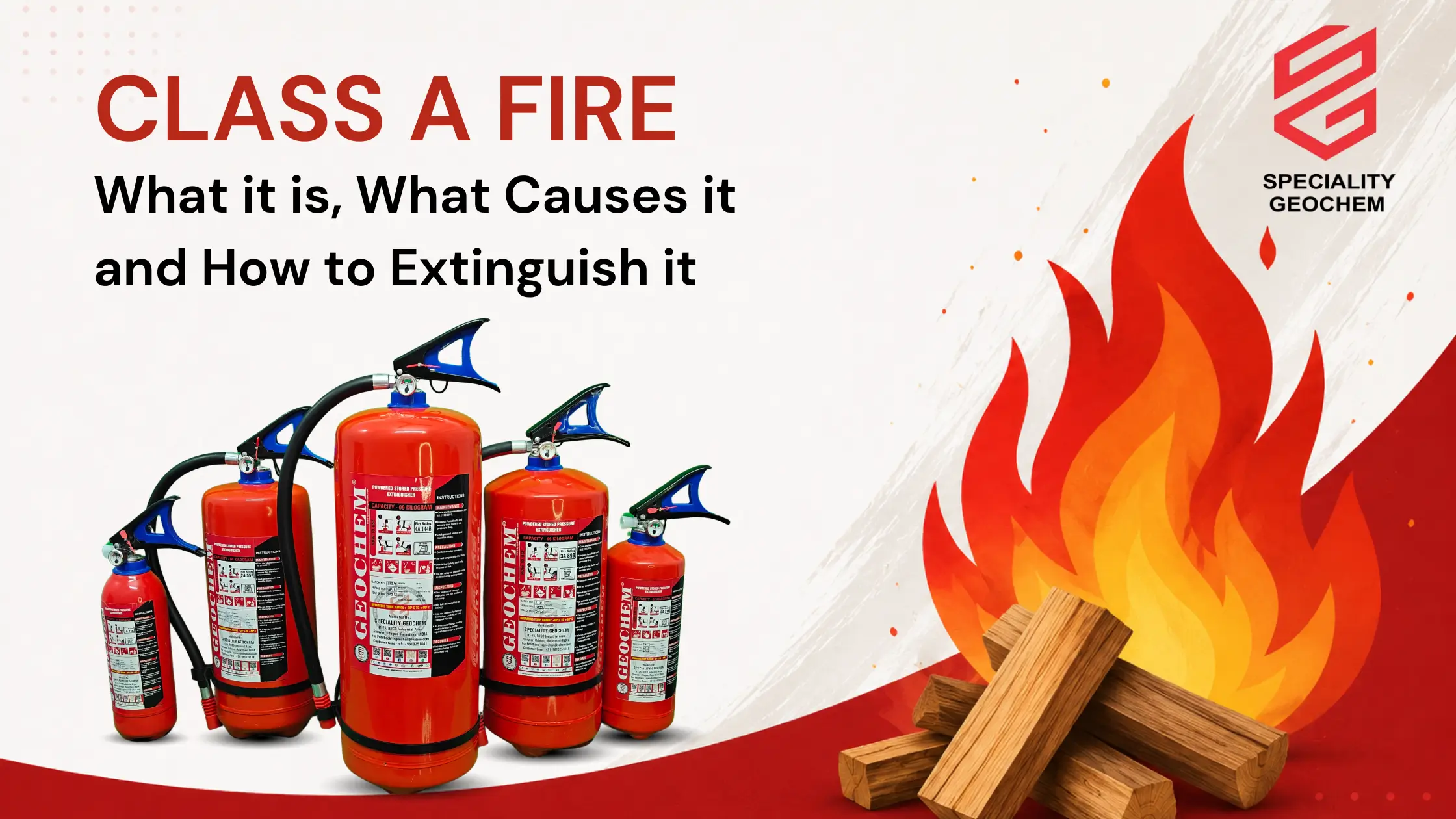
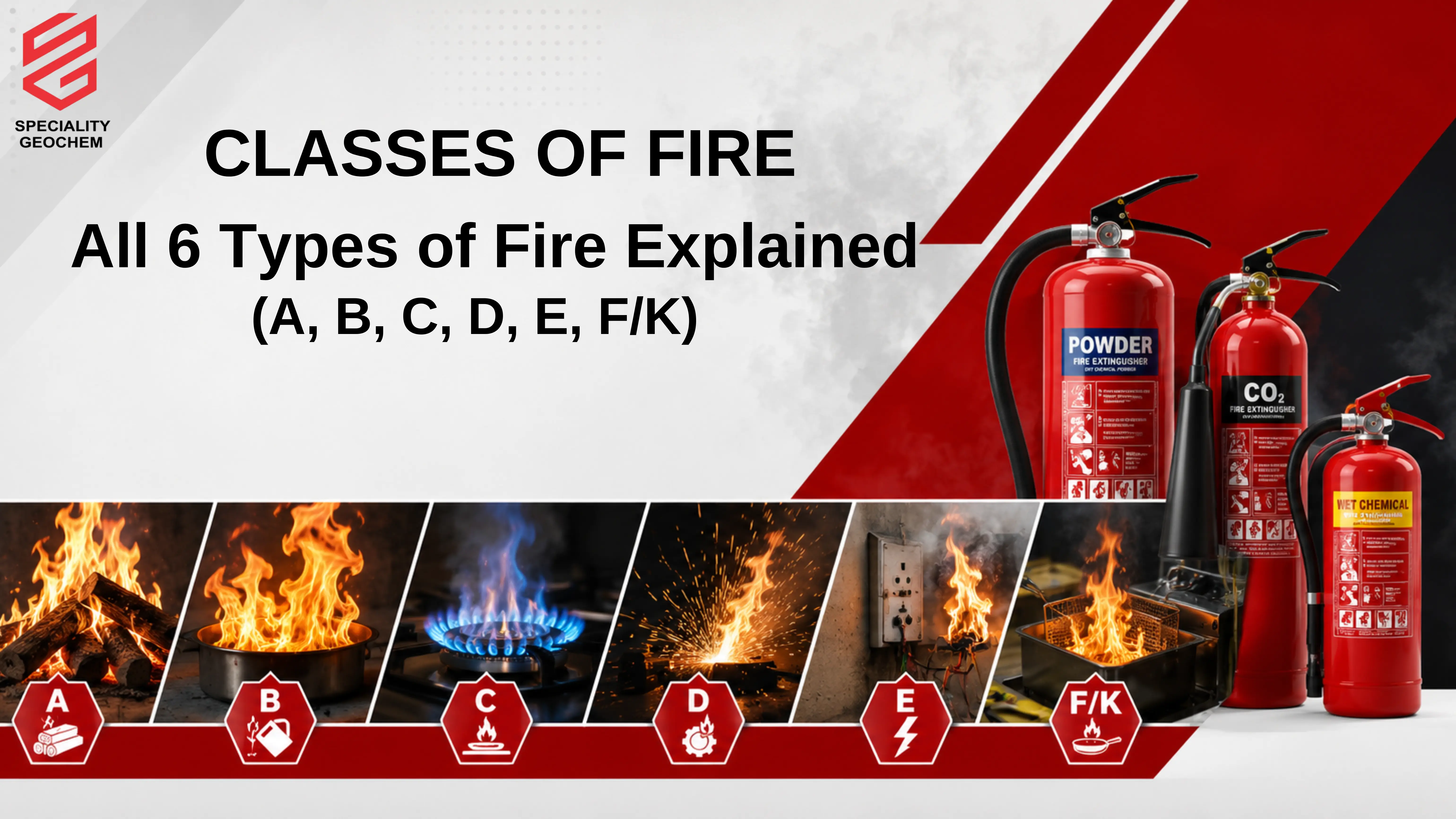
Class A fires involve wood and paper. Class B involves flammable liquids. Class C involves electrical equipment.
Floor area
Large areas require more extinguishers to ensure accessibility.
Occupancy type
Factories need different coverage compared to offices.
A general rule used in many facilities is one extinguisher within 15 meters travel distance.
However, complex sites require a fire safety assessment.
Why ABC extinguishers dominate the Indian market
ABC dry powder extinguishers are widely used because they cover multiple fire classes.
They can suppress:
- Class A fires (solid materials)
- Class B fires (flammable liquids)
- Class C fires (electrical equipment)
That versatility makes them ideal for offices, factories, and vehicles.
Many companies specifically look for an ABC fire extinguisher manufacturer when sourcing equipment.
Where most people actually buy fire extinguishers today
Search behavior has changed.
People often type queries like:
- buy fire extinguisher near me
- where to buy fire extinguisher near me
- how to get fire extinguisher
Online search usually leads them to local distributors or manufacturers.
But location should not be the only deciding factor.
Certification, manufacturing quality, and service capability matter far more than proximity.
Two signs you have found a reliable fire extinguisher manufacturer in India
Over the years I’ve found two consistent indicators.
Transparency
The company openly shares certifications, testing procedures, and manufacturing details.
Service capability
They can support inspection, refilling, and maintenance.
When both are present, the equipment is usually reliable.
Real limitations buyers should understand before choosing a manufacturer
Even the best extinguisher has limits.
Portable extinguishers are designed for early stage fires only.
Once flames spread beyond a small area, evacuation becomes the priority.
Also, extinguishers require training. Without basic training, many people hesitate or misuse them.
That is why many facilities combine extinguishers with:
- fire alarms
- sprinklers
- suppression systems
Extinguishers are one layer of protection, not the whole system.
FAQ
How to Choose the right fire extinguisher manufacturer in India?
Start with certification. Verify BIS compliance and ISI markings. Then review manufacturing capabilities and testing procedures. Finally confirm that the company offers maintenance and refilling services.
How many fire extinguishers do I need for a building?
It depends on fire risk and floor area. A common guideline is one extinguisher per 200 square meters in moderate hazard areas according to the National Building Code. Large facilities often require a professional fire safety assessment.
Where can I buy a fire extinguisher near me?
You can purchase from local fire safety distributors or directly from manufacturers. Buying from a certified manufacturer ensures the extinguisher meets safety standards and provides better long-term support.
Where can I get a fire extinguisher recharged?
Most fire safety service providers offer extinguisher refilling. Many manufacturers also provide recharge services as part of annual maintenance programs.
What type of fire extinguisher is best for most buildings?
ABC dry powder extinguishers are the most common choice because they can handle multiple fire classes including solids, liquids, and electrical fires.
Final advice after 30 years in fire protection
Choose the manufacturer before choosing the extinguisher.
A reliable manufacturer ensures the cylinder is tested, the powder is correct, and the equipment is supported throughout its life.
If you are evaluating suppliers and need certified equipment backed by proper manufacturing and service support, start by working with a reliable fire extinguisher manufacturer in India.
Your fire safety plan is only as strong as the equipment behind it.