Electrical fires are among the most dangerous and unpredictable types of fires found in homes, offices, factories, and commercial buildings. Unlike ordinary fires, they involve live electrical current, which means using the wrong firefighting method can lead to severe injuries, equipment damage, or even fatal accidents. That is why understanding how to select the correct Fire Extinguisher for Electrical Fires is not just helpful—it is essential for safety and compliance.
In this practical guide, we will break down everything you need to know in simple, real-world language: what causes electrical fires, which extinguisher types actually work, which ones to avoid, and how to make the right choice for your specific environment.
Understanding Electrical Fires: Why They Are Different
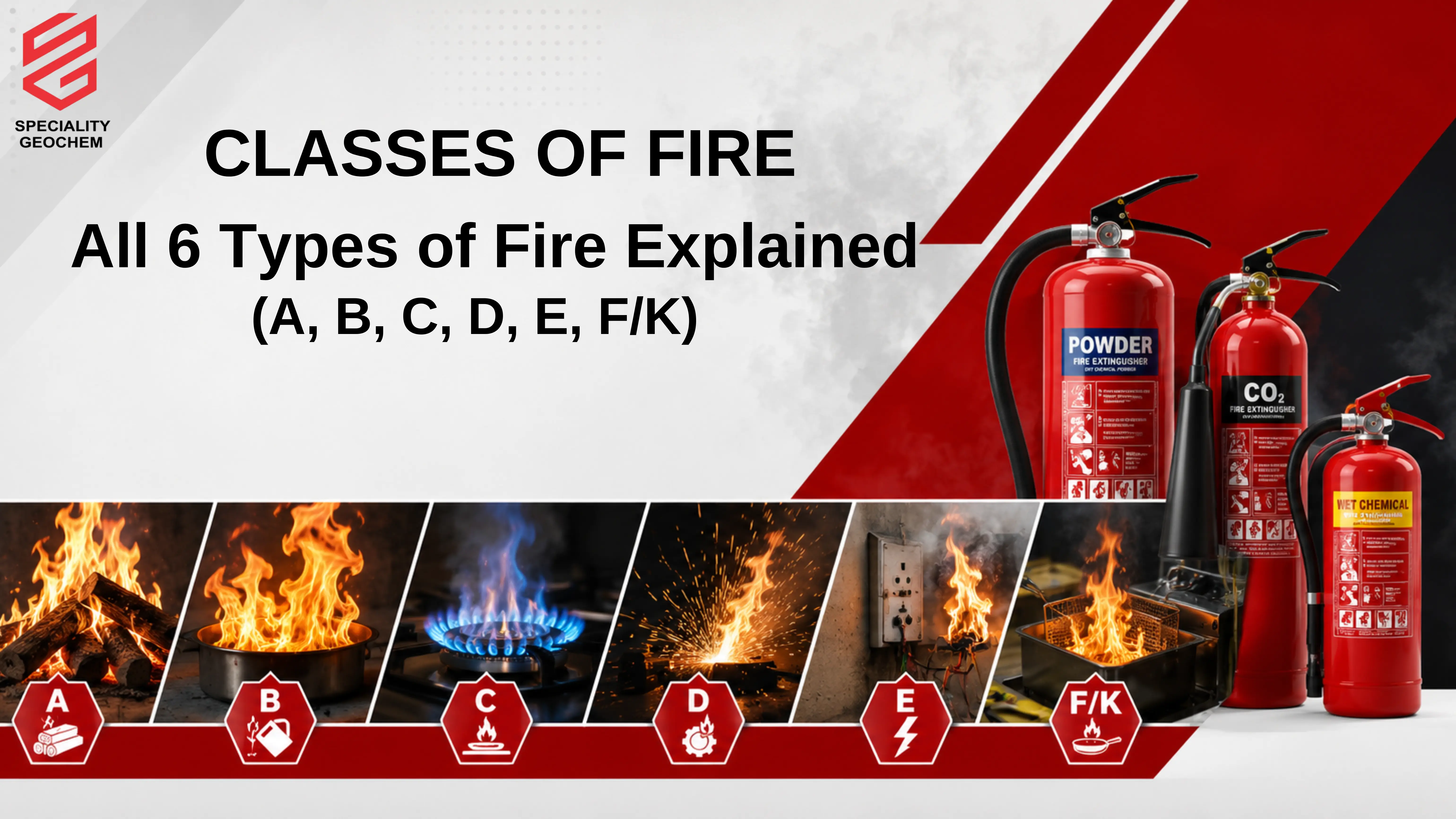
Electrical fires usually start due to short circuits, overloaded sockets, faulty wiring, damaged cables, or malfunctioning electrical equipment. These fires are classified as Class C fires in many fire safety standards.
What makes them dangerous is the presence of live electricity. Water and certain chemical agents conduct electricity, increasing the risk of electric shock. Even after the flames are controlled, live current can remain active, making the situation risky for untrained responders.
Because of these risks, using a standard fire extinguisher without knowing its compatibility with electrical fires can do more harm than good.
Why Choosing the Right Extinguisher Matters
Selecting the correct Fire Extinguisher for Electrical Fires is about more than putting out flames. It’s about:
- Preventing electric shock
- Avoiding re-ignition
- Minimizing damage to costly equipment
- Ensuring compliance with safety regulations
- Protecting lives
A wrong choice can escalate a small incident into a major disaster within seconds.
Fire Extinguisher Types Suitable for Electrical Fires
Not all fire extinguishers are created equal. Let’s look at the ones that are considered safe and effective for electrical fires.
1. CO₂ (Carbon Dioxide) Fire Extinguishers
CO₂ extinguishers are widely regarded as the most suitable option for electrical fires. They work by displacing oxygen around the fire and cooling the burning material.
Why CO₂ works well:
- Non-conductive and safe around live electricity
- Leaves no residue
- Ideal for offices, server rooms, and electrical panels
Limitations:
- Less effective outdoors due to gas dispersion
- Requires proper handling to avoid cold burns
2. Dry Chemical Powder (ABC) Fire Extinguishers
ABC Dry powder extinguishers are another commonly used option for electrical fire risks.
Advantages:
- Effective on electrical, flammable liquid, and solid fires
- Rapid flame knockdown
- Widely available and affordable
Drawbacks:
- Leaves powder residue that can damage electronics
- Cleanup can be time-consuming
This type is often used in industrial settings where equipment replacement is less critical than immediate fire suppression.
Fire Extinguishers You Should NEVER Use on Electrical Fires
Knowing what not to use is just as important.
❌ Water Fire Extinguishers
Water conducts electricity. Using it on an electrical fire can cause severe electric shock and spread the fire further.
❌ Foam Fire Extinguishers
Foam-based extinguishers contain water and are unsafe for live electrical equipment.
These extinguishers should only be used once the power supply has been completely switched off and verified.
How to Identify Electrical Fire Risk Areas
Electrical fire hazards are not limited to industrial facilities. Common high-risk areas include:
- Home distribution boards
- Offices with multiple computers and printers
- Server rooms and data centers
- Manufacturing units with heavy machinery
- Commercial kitchens with electrical appliances
In all these spaces, having a properly rated Fire Extinguisher for Electrical Fires installed nearby can prevent a minor spark from turning into a major loss.
How to Choose the Right Capacity and Placement
Selecting the extinguisher type is only half the job. Capacity and placement matter equally.
Capacity Guidelines
- 2 kg CO₂ – Small offices, home electrical panels
- 4.5 kg CO₂ – Medium offices, shops
- 6 kg or above – Industrial panels and server rooms
Placement Tips
- Install near exits, not directly above the hazard
- Ensure easy visibility and accessibility
- Mount at recommended height levels
Regular inspection and servicing are essential to ensure the extinguisher works when needed.
Safe Usage Tips During an Electrical Fire
Even with the correct extinguisher, improper usage can be risky.
Remember the PASS method:
- Pull the safety pin
- Aim at the base of the fire
- Squeeze the handle
- Sweep side to side
Always maintain a safe distance and never turn your back on a fire, even if it appears to be extinguished.
Compliance, Training, and Maintenance
Fire safety is not a one-time purchase—it’s an ongoing responsibility. Organizations should ensure:
- Periodic fire safety audits
- Employee training sessions
- Clear signage near extinguisher locations
- Annual maintenance and refilling
A well-maintained Fire Extinguisher for Electrical Fires is far more reliable than one that has been ignored for years.
Buying Checklist: What to Look For
Before purchasing, check the following:
- Certification as safe for electrical fires
- IS/EN compliance markings
- Clear operating instructions
- Warranty and service support
- Suitable size for your risk level
Avoid cheap, uncertified products that may fail during emergencies.
Conclusion: Safety Starts with the Right Choice
Electrical fires demand a smarter and safer response than ordinary fires, and preparation is the key to minimizing risk. Selecting the right fire safety solution, installing it correctly, and training people on proper usage can prevent small electrical faults from turning into major disasters. At Speciality Geochem, we understand the importance of reliable and certified fire safety equipment for homes, offices, industries, and critical infrastructure. By choosing a suitable Fire Extinguisher cylinder for Electrical Fires, following safety standards, and staying prepared, you protect not just assets but also human lives and essential electrical systems. Smart choices today ensure safer environments tomorrow.