Kitchens are one of the most fire-prone spaces in any building. Whether it’s a small home kitchen or a busy commercial restaurant, open flames, hot oil, electrical appliances, and gas connections create constant fire risk. A Fire Extinguisher for Kitchens is not just a safety accessory—it is a critical first-response tool that can prevent minor accidents from turning into major disasters.
In this blog, we explore why kitchen fires occur, the best fire extinguisher options for kitchens, how to choose the right one for homes and restaurants, and practical tips for placement and maintenance.
Why Kitchens Are High-Risk Fire Zones
Most kitchen fires start suddenly and spread fast. Common causes include:
- Overheated cooking oil and grease
- Unattended frying or boiling
- Gas leaks or faulty LPG connections
- Electrical short circuits in ovens, microwaves, or exhaust systems
- Combustible materials kept near flames
Grease fires are especially dangerous because water can make them flare up instantly. This is why having the correct Fire Extinguisher for Kitchens is essential.
Why Regular Fire Extinguishers Are Not Always Suitable
Not all fire extinguishers are designed for kitchen fires. For example:
- Water-based extinguishers can worsen oil and grease fires
- Wrong extinguishing agents may spread flames instead of suppressing them
- Improper use can cause burns or re-ignition
Kitchen fires require extinguishers specifically designed to cool, smother, and prevent re-ignition—especially in cooking environments.
Best Types of Fire Extinguisher for Kitchens
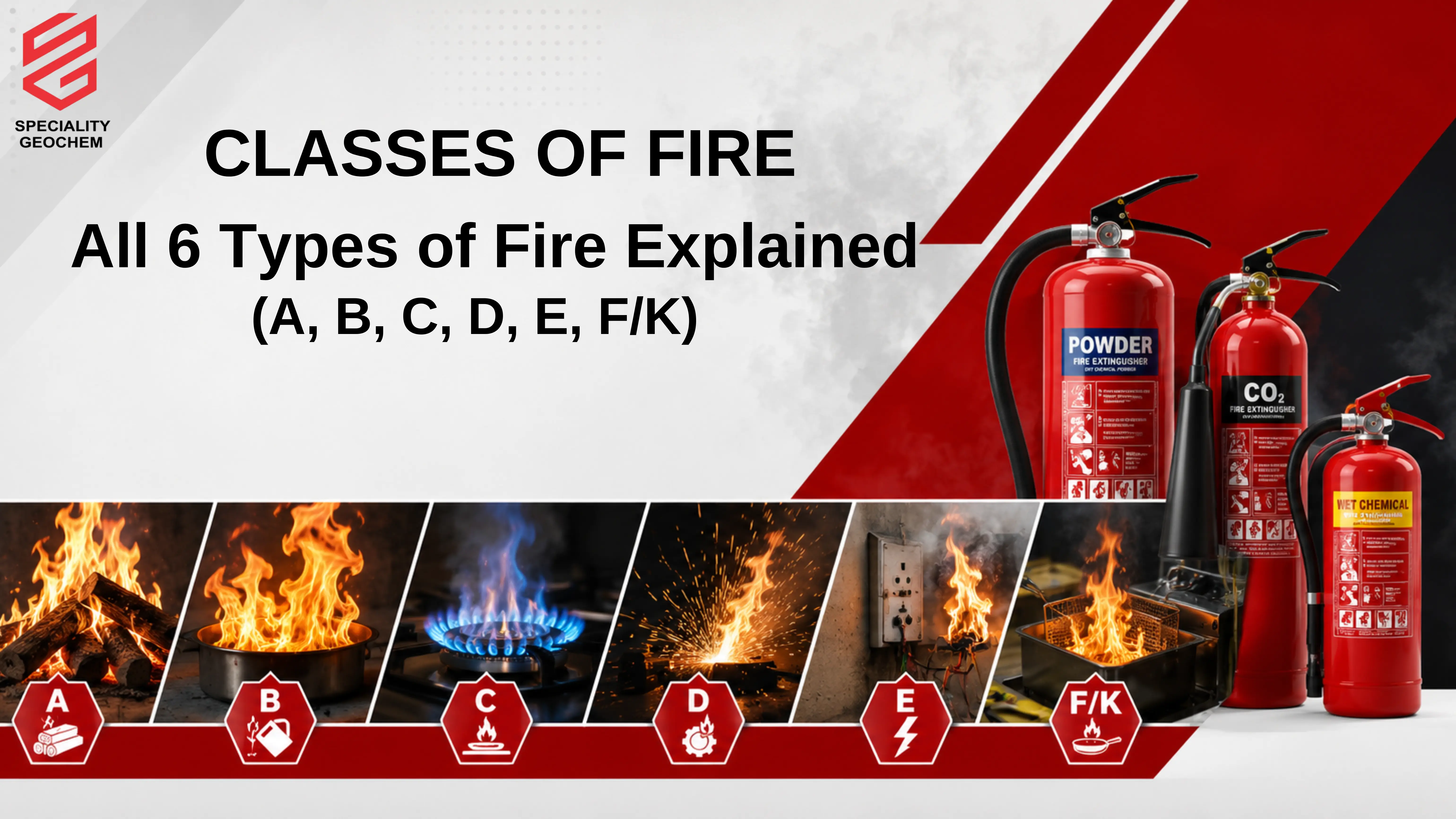
1. Wet Chemical Fire Extinguisher (Best for Kitchens)
Wet chemical extinguishers are considered the safest and most effective Fire Extinguisher for Kitchens, especially where cooking oil is involved.
Why they work well:
- Designed specifically for oil and fat fires
- Forms a cooling layer over burning grease
- Prevents fire from re-igniting
- Safe for commercial kitchens and homes
Ideal for:
- Home kitchens with frequent frying
- Restaurants, hotels, cloud kitchens, and canteens
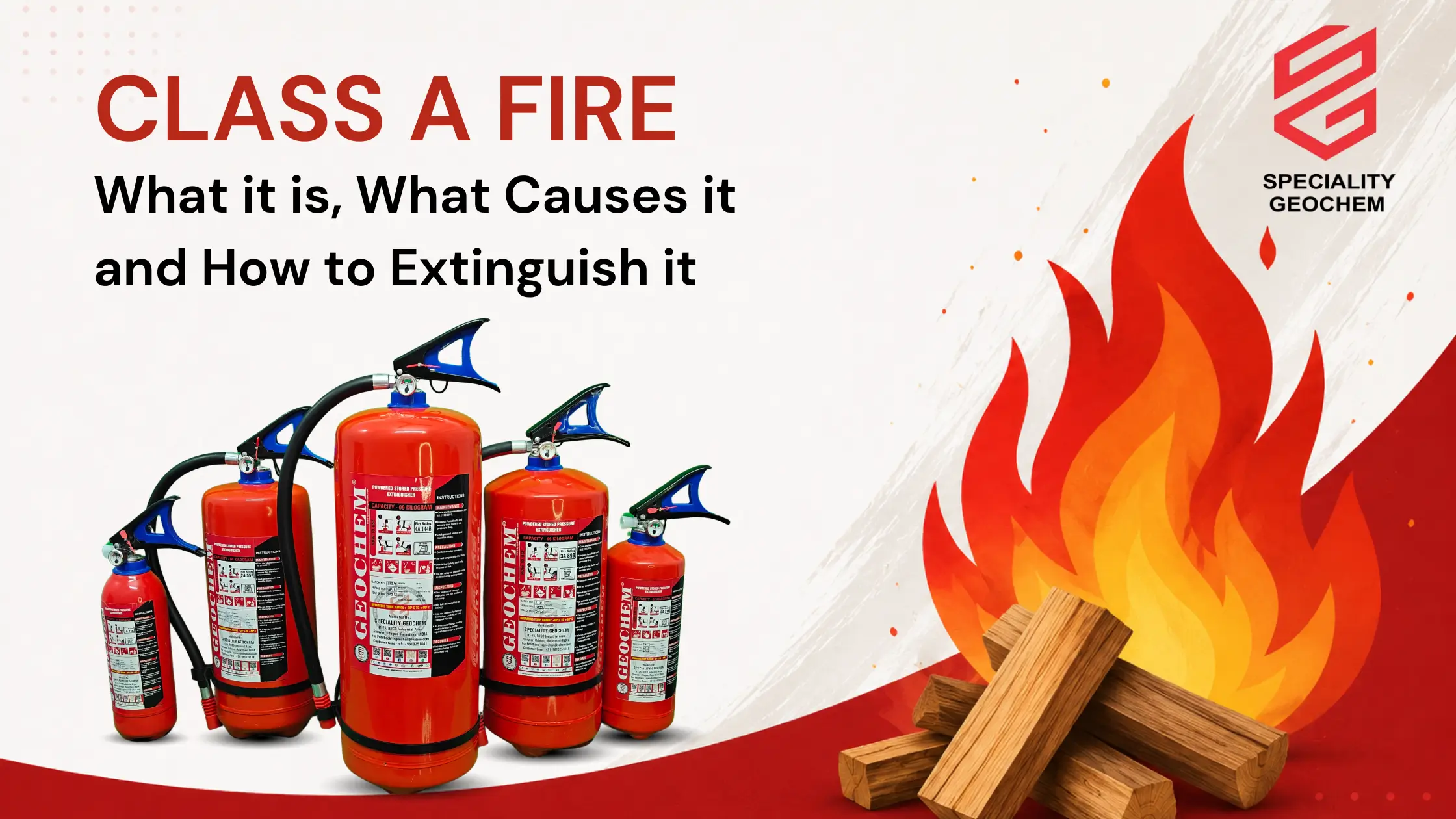
2. ABC Dry Powder Fire Extinguisher
ABC dry powder extinguishers offer multi-purpose fire protection and are commonly used in Indian homes.
Advantages:
- Works on electrical, gas, and solid fires
- Affordable and easily available
- Quick fire knockdown
Limitations:
- Leaves powder residue on kitchen surfaces
- Not ideal for cooking oil fires if used incorrectly
Ideal for:
- Small home kitchens
- Backup fire protection alongside other systems
3. Automatic Fire Suppression Systems for Kitchens
For restaurants and commercial kitchens, automatic systems provide round-the-clock protection.
Key benefits:
- Activates automatically during high heat
- Suppresses fire directly above cooking areas
- Minimizes human response time
- Reduces business downtime
Ideal for:
- Commercial kitchens
- Large restaurants and food courts
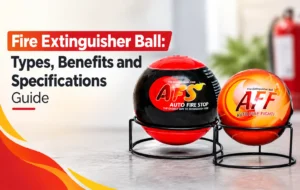
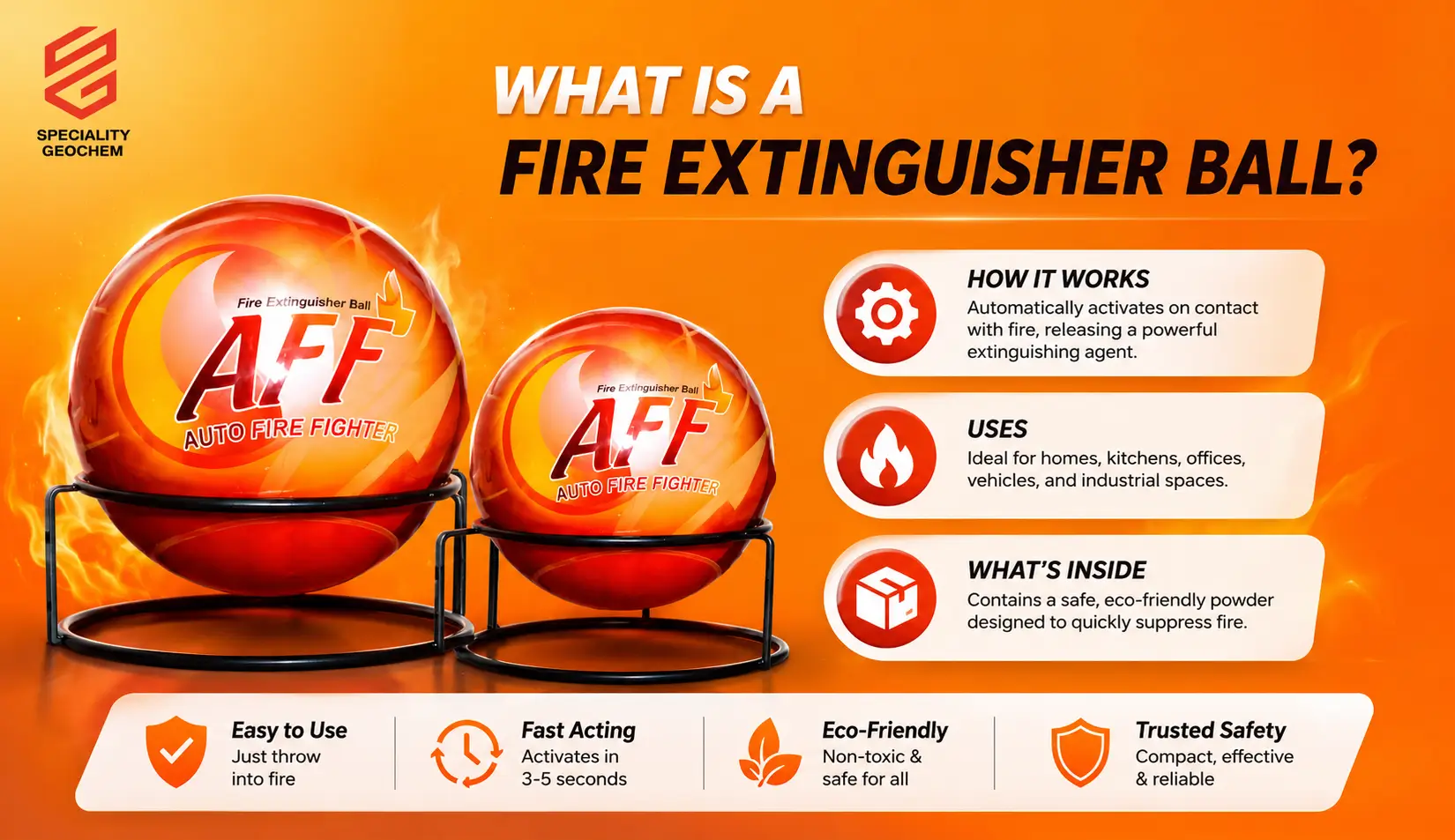
4. Fire Extinguisher Balls (Supplementary Safety)
Fire extinguisher balls can act as an additional layer of safety in kitchens.
Why they help:
- Activate automatically on contact with fire
- Easy to place near stoves or exhaust hoods
- No manual operation needed
Ideal for:
- Small kitchens
- Areas where quick human response may not be possible
Fire Extinguisher for Home Kitchens: What to Choose?
For residential use, simplicity and safety matter most.
Recommended options:
- Wet chemical extinguisher for oil-based cooking
- ABC extinguisher as a secondary option
- Fire extinguisher ball near stove area
Key tips:
- Choose compact, easy-to-handle extinguishers
- Ensure all family members know basic usage
- Avoid placing extinguishers too close to flames
Fire Extinguisher for Restaurant Kitchens: What Works Best?
Restaurants face higher fire risks due to continuous cooking and heavy oil use.
Best solutions:
- Wet chemical fire extinguishers near fryers
- Automatic suppression systems above cooking ranges
- ABC extinguishers for electrical and gas risks
Additional benefits:
- Helps meet fire safety norms
- Improves insurance compliance
- Protects staff, customers, and property
Correct Placement of Fire Extinguisher for Kitchens
Placement is as important as the extinguisher itself.
Best placement practices:
- Near kitchen exits—not directly above flames
- Easily accessible and clearly visible
- Mounted at recommended height
- Away from heat but within quick reach
For restaurants, extinguishers should be placed near cooking lines, exhaust hoods, and electrical panels.
How to Use a Fire Extinguisher in a Kitchen Fire
Remember the PASS method:
- Pull the safety pin
- Aim at the base of the fire
- Squeeze the handle
- Sweep from side to side
Never throw water on burning oil or fat—it can cause severe flare-ups.
Maintenance and Inspection Tips
A Fire Extinguisher for Kitchens is only effective if it works when needed.
Maintenance checklist:
- Monthly visual inspection
- Ensure pressure gauge is in green zone
- No blocked nozzles or damage
- Annual professional servicing
Restaurants should maintain service records as part of safety compliance.
Why Choosing the Right Fire Extinguisher for Kitchens Matters
Kitchen fires escalate quickly, leaving little time to react. The right extinguisher:
- Controls fire within seconds
- Prevents injuries and property damage
- Avoids panic during emergencies
- Protects business continuity
Choosing a wrong or low-quality extinguisher can increase risk instead of reducing it.
Final Thoughts
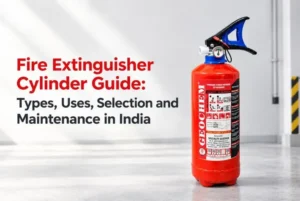
Investing in the right Fire Extinguisher for Kitchens is a responsible step toward protecting people, property, and business continuity. Kitchens—whether residential or commercial—carry inherent fire risks that demand fast, effective, and reliable fire suppression solutions. At Speciality Geochem, we focus on practical, easy-to-use, and certified fire safety products designed for real-world kitchen environments. By choosing suitable fire extinguisher cylinder, ensuring correct installation, and following regular maintenance, kitchens can remain safe even during high-risk situations. Fire safety is not just compliance—it is preparedness that protects lives, operations, and long-term peace of mind.