Fire safety on roads is no longer optional—it’s a necessity. With the number of vehicles increasing every year and long-distance travel becoming more common, the chances of engine fires, electrical failures, overheating, or fuel leakage accidents have also risen. That’s why Fire Extinguishers for Vehicles have become an essential part of responsible driving and fleet management. Whether you own a personal car, heavy truck, school bus, or a commercial fleet of delivery vehicles, the right fire extinguisher can prevent small sparks from turning into life-threatening disasters.
In this blog, we explore the importance of Fire Extinguishers for Vehicles, the types of extinguishers suitable for different automotives, and how products like the fire extinguisher ball and traditional fire extinguisher cylinder play a vital role in protecting passengers, drivers, and valuable assets.
Why Fire Extinguishers for Vehicles Are Essential
Vehicle fire incidents can happen unexpectedly due to:
- Short circuits in wiring
- Overheating engines
- Fuel line leakage
- Mechanical friction
- Transporting flammable materials
- Battery-related issues in electric vehicles
Installing Fire Extinguishers for Vehicles ensures immediate control over such incidents before they spread. In the confined space of a car or bus, even a small flame can escalate rapidly. A 5–10 second delay can be the difference between saving the vehicle and watching it burn beyond repair.
Moreover, having a fire extinguisher is not just about personal safety—it also supports compliance with national road safety guidelines and enhances trust among passengers in commercial transport services.
Best Types of Fire Extinguishers for Automobiles
Different vehicles require different fire safety solutions. Here are the most suitable options:
1. Dry Chemical Powder (DCP) Extinguishers
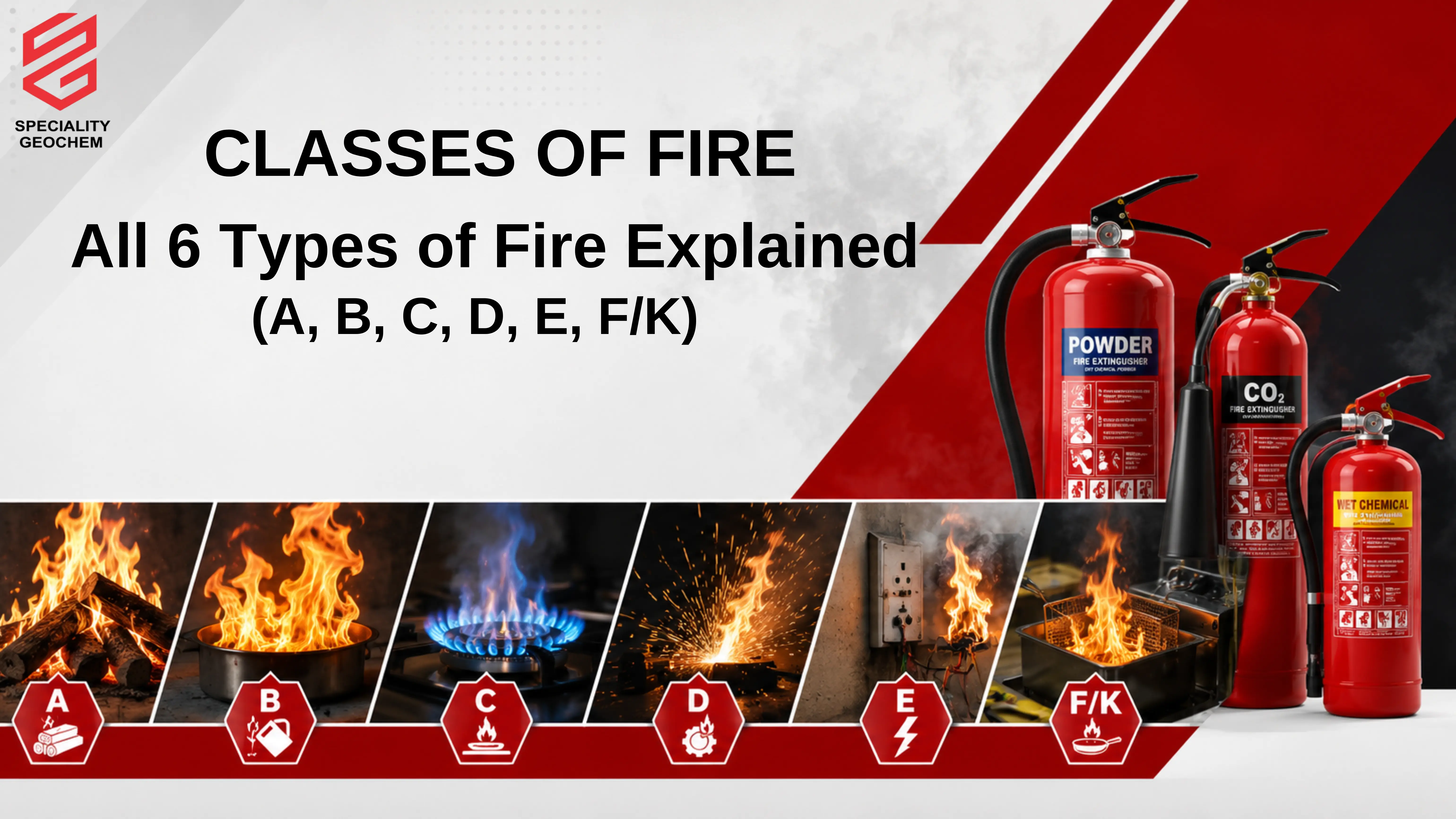
These are the most commonly used Fire Extinguishers for Vehicles because they work effectively on electrical, fuel, and engine fires. They come in compact sizes like 1kg, 2kg, and 4kg, fitting easily inside cars and commercial vehicles.
2. CO₂ Fire Extinguishers
Best for electrical fires without leaving residue. Though typically used in commercial settings, some fleet operators prefer CO₂ units for vehicles carrying electronics or sensitive goods.
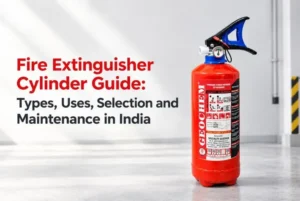
3. Fire Extinguisher Cylinder (Portable Units)
A traditional fire extinguisher cylinder is reliable, durable, and easy to operate. For cars, a 1kg or 2kg cylinder is ideal, while for buses and trucks, larger models like 4kg and 6kg are preferred. Cylinders are designed for quick activation, giving drivers immediate control in emergency situations.
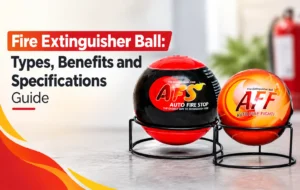
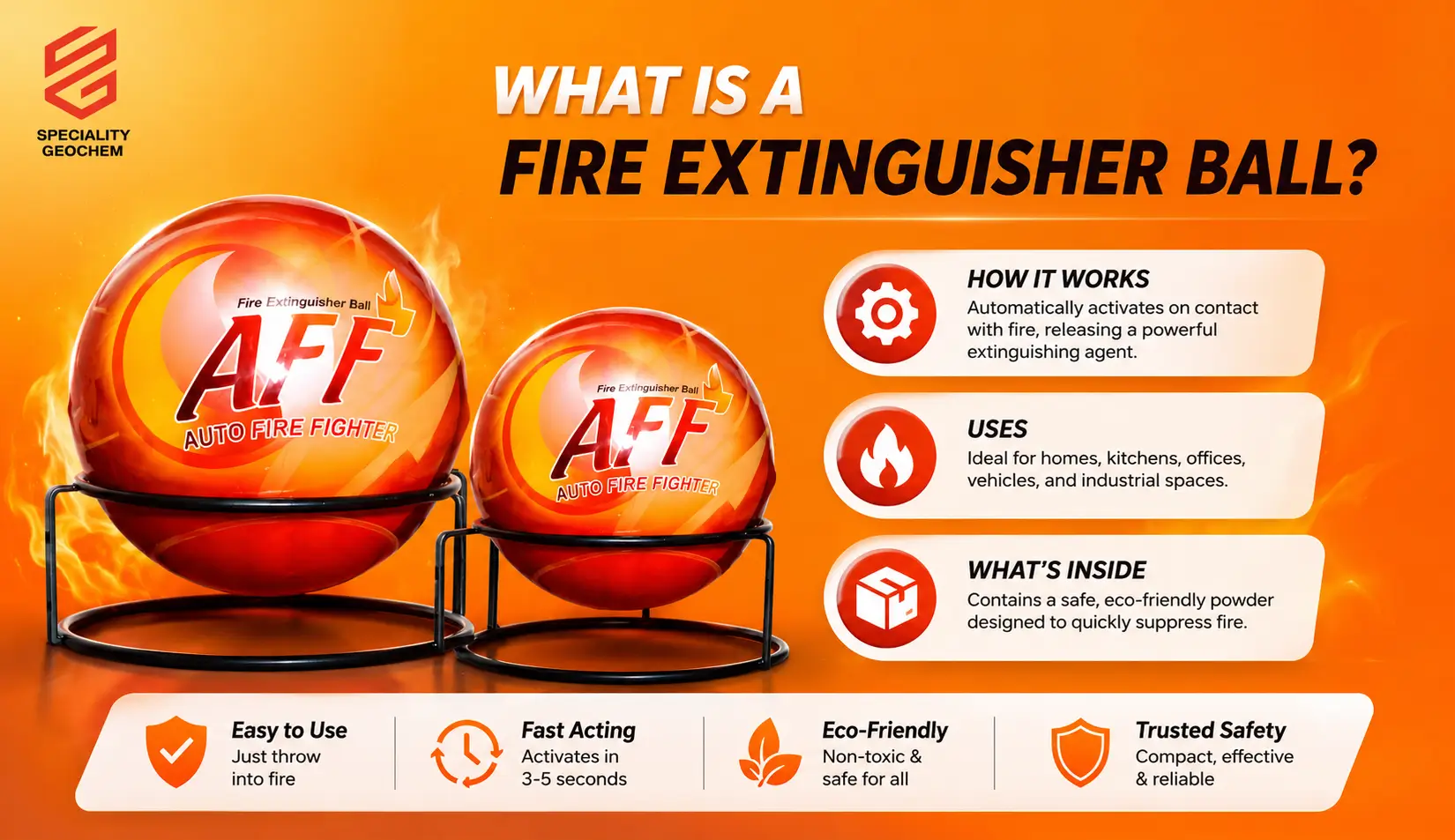
4. Fire Extinguisher Ball (Automatic Action)
A fire extinguisher ball has become popular for vehicle fire safety due to its simplicity. When placed near the engine or battery compartment, it automatically bursts upon contact with flames, releasing extinguishing powder. It’s extremely useful for:
- Trucks with cargo compartments
- School buses
- AC and engine compartments in cars
- Commercial fleets that require round-the-clock unattended fire safety
It requires no training, making it ideal for regular drivers.
Choosing Fire Extinguishers for Vehicles Based on Vehicle Type
Cars and SUVs
Most personal vehicles require a compact, lightweight extinguisher that can be easily reached. A 1kg or 2kg DCP fire extinguisher cylinder is recommended. Installing a fire extinguisher ball in the engine bay adds an extra layer of safety, especially during long trips.
For cars, Fire Extinguishers for Vehicles help protect against:
- Fuel leakage fires
- Electrical short circuits
- Engine overheating
Trucks and Heavy Transport Vehicles
Trucks often carry heavy loads, flammable materials, or travel in extreme conditions. Fleet owners must install 4kg–6kg extinguishers along with fire extinguisher balls in the engine area. For trucks running long distances, these Fire Extinguishers for Vehicles significantly reduce the risk of fire accidents.
Public Buses and School Buses
Passenger safety is a top priority. Every bus should have:
- A 4kg or 6kg fire extinguisher cylinder
- A fire extinguisher ball placed near electrical panels or engines
In emergencies, bus staff must act fast. Reliable Fire Extinguishers for Vehicles ensure that fire risks are managed instantly.
Commercial Fleets
Delivery vans, logistics carriers, and service vehicles face constant wear and tear. They often transport goods that may be flammable or sensitive to heat. Fleet managers must install multiple Fire Extinguishers for Vehicles based on vehicle size and risk assessment.
A combination of both extinguisher cylinders and fire extinguisher balls ensures maximum fire protection for unattended or parked vehicles.
How to Install Fire Extinguishers in Vehicles
Proper installation is as important as choosing the right extinguisher:
- Mount the extinguisher within the driver’s reach.
- Ensure the bracket is firmly fitted to avoid movement during driving.
- For pickup trucks and cargo vehicles, place additional extinguishers near the rear compartment.
- For fire extinguisher balls, install them near electrical wiring, battery areas, or engine points.
Maintenance Tips for Long-Lasting Safety
To ensure that Fire Extinguishers for Vehicles function correctly during emergencies:
- Check pressure gauges monthly.
- Inspect for leaks, rust, or damage.
- Replace or refill cylinders after every use.
- Ensure drivers know how to operate the extinguisher.
- Replace fire extinguisher balls every 5 years for best performance.
Consistent inspection not only prevents equipment failure but also ensures compliance with safety regulations.
Fire Extinguisher Ball vs Fire Extinguisher Cylinder: Which Is Better?
Both tools play an important role:
| Feature | Fire Extinguisher Ball | Fire Extinguisher Cylinder |
| Operation | Fully automatic | Manual |
| Ideal Use | Hidden or unattended areas | Driver-controlled action |
| Maintenance | No monthly checks | Requires regular checks |
| Reaction Time | Instant (within 3 seconds of fire detection) | Depends on human response |
For complete fire safety, combining both is recommended. Many fleet managers now use this hybrid safety model to reduce risks and improve emergency response time.
Conclusion
Vehicle fire safety isn’t just a regulatory requirement—it’s a commitment to protecting lives, assets, and everyday journeys. Choosing the right Fire Extinguishers for Vehicles empowers drivers, fleet owners, and transport companies to act instantly in moments of emergency. From reliable fire extinguisher cylinders to innovative fire extinguisher balls, a well-equipped vehicle becomes a safer space for everyone on the road.
At Speciality Geochem, we believe smarter safety decisions lead to smoother, worry-free travel. Investing in proper fire protection today ensures confidence, compliance, and long-term peace of mind. Stay prepared, stay protected, and keep every ride secure with the right fire safety solutions.