Fire safety is not just about installing equipment — it’s about ensuring that the equipment works when it matters most. The Fire Extinguisher Ball is one of the most innovative fire safety devices available today. It offers automatic, maintenance-free fire protection for homes, offices, and industrial spaces. However, like all fire safety products, Fire Extinguisher Ball testing and maintenance play a crucial role in ensuring reliability and effectiveness.
This guide explores how to properly inspect, test, and maintain your fire extinguisher ball to ensure it performs efficiently during an emergency.
What Is a Fire Extinguisher Ball?
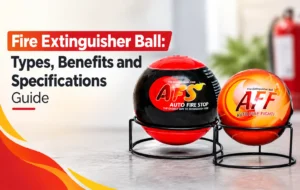
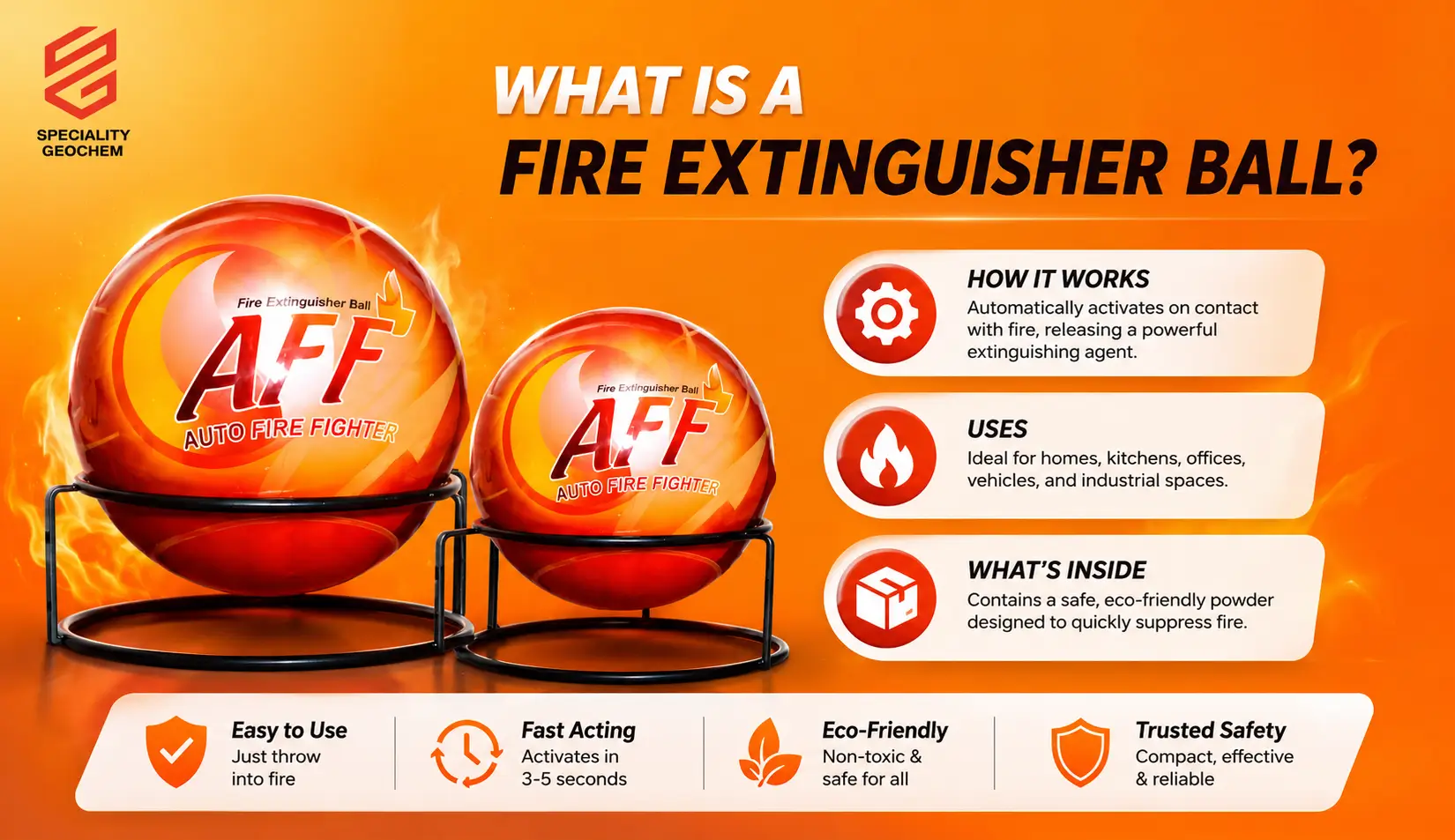
A fire extinguisher ball is an automatic fire suppression device that activates upon contact with flames. When exposed to fire for 3–5 seconds, it bursts and releases a dry chemical powder (usually mono ammonium phosphate) that helps extinguish Class A, B, and C fires.
These fire balls are lightweight, easy to install, and require minimal supervision. They are commonly used in kitchens, warehouses, workshops, gas cylinder areas, and vehicles — anywhere the risk of fire is high.
Why Testing and Maintenance Matter
While fire extinguisher balls are designed to be low-maintenance, periodic checks are still essential. Environmental conditions, temperature fluctuations, and physical damage can impact the ball’s efficiency over time.
Here are some key reasons fire extinguisher ball testing and maintenance should never be overlooked:
- ✅ Ensures activation reliability during fire incidents
- ✅ Detects wear, cracks, or leakage before failure occurs
- ✅ Extends the product’s lifespan and protects investment
- ✅ Maintains compliance with workplace safety standards
- ✅ Builds confidence in fire safety systems at home or work
How to Test a Fire Extinguisher Ball Safely
Unlike conventional fire extinguishers that require pressure testing and refilling, a fire extinguisher ball undergoes simple physical and environmental inspections.
Here’s a step-by-step guide for fire extinguisher ball testing:
1. Visual Inspection
Every 3–6 months, inspect the fire ball’s exterior for any signs of:
- Cracks or dents on the outer shell
- Faded or damaged labels
- Moisture exposure or powder leakage
- Loose or corroded mounting brackets
If any of these issues are visible, the ball should be replaced immediately.
2. Weight Check
Each fire extinguisher ball has a standard weight range (usually between 1.3 kg to 1.5 kg). A significant decrease in weight could indicate powder leakage or internal damage. Always refer to the manufacturer’s manual for the correct specifications.
3. Activation Testing (Controlled Environment)
Testing a fire extinguisher ball by igniting a small controlled fire is only recommended for training or demonstration purposes.
To perform this safely:
- Conduct the test outdoors or in a fire safety training zone.
- Place the fire ball near the controlled flame.
- Observe its automatic activation and extinguishing response.
- Dispose of the residue as per local safety regulations.
⚠️ Never test a fire extinguisher ball indoors or without proper safety gear.
4. Shelf Life and Expiry
Fire extinguisher balls typically have a lifespan of 5 years. After this period, their chemical agents may lose effectiveness. Always check the manufacturing and expiry date printed on the label and replace expired units promptly.
5. Mounting and Positioning Check
During maintenance, ensure that the fire extinguisher ball remains securely mounted. The bracket or stand should be firmly attached to the wall or ceiling.
Common installation areas include:
- Above cooking ranges or stoves
- Near gas cylinders
- Inside electrical panels
- In storage rooms or workshops
Maintenance Best Practices
Even though these devices are labeled “maintenance-free,” a few preventive measures can help preserve their efficiency.
1. Keep Away from Moisture and Direct Sunlight
Humidity and UV exposure can weaken the outer shell. Install fire balls in shaded, dry locations away from water sources and direct sunlight.
2. Avoid Physical Impact
Accidental drops, bumps, or vibrations can cause internal cracks. Always handle fire extinguisher balls with care during cleaning or relocation.
3. Regular Record Keeping
Maintain a simple inspection log with the following details:
- Date of inspection
- Condition of the ball
- Observations or damages
- Replacement or maintenance actions
Such records are especially useful for industrial and commercial facilities to comply with fire safety audits.
4. Replace Damaged or Expired Units Immediately
Never reuse or repair damaged fire extinguisher balls. Always purchase replacements from certified manufacturers or suppliers to ensure quality and safety.
How Often Should You Inspect Your Fire Extinguisher Ball?
For homes and small offices, inspecting every six months is usually sufficient.
For high-risk environments like factories, kitchens, and fuel stations, quarterly inspections are recommended.
It’s also advisable to include fire extinguisher ball testing and maintenance as part of your organization’s annual fire safety audit.
Common Mistakes to Avoid
- Ignoring Expiry Dates:
Expired fire extinguisher balls may fail to activate or disperse insufficient powder. - Improper Placement:
Installing too high or too low can limit its activation range. Ideally, position it 30–50 cm above potential fire sources. - Neglecting Inspection Records:
Documentation ensures accountability and smooth compliance during fire safety checks. - Using Low-Quality Imitations:
Always purchase from trusted manufacturers like Speciality Geochem, known for durable, certified, and tested fire extinguisher balls.
The Role of Certified Testing Laboratories
In India, certified testing labs follow BIS (Bureau of Indian Standards) and ISO norms to verify the performance of fire safety devices. Manufacturers like Speciality Geochem ensure that every fire extinguisher ball undergoes stringent testing before reaching the market, ensuring consistent reliability and safety.
Why Choose Speciality Geochem Fire Extinguisher Ball
At Speciality Geochem, safety and quality go hand in hand.
Our fire extinguisher balls are:
- Tested for multi-class fire performance (A, B, and C fires)
- ISO and CE certified
- Lightweight, automatic, and eco-friendly
- Maintenance-free for up to 5 years
- Supported by expert fire safety guidance
Choosing our product means choosing peace of mind — knowing your property and loved ones are protected by reliable fire suppression technology.
Conclusion
Regular Fire Extinguisher Ball testing and maintenance ensure that your fire protection system remains functional and trustworthy. Though these devices are low-maintenance, periodic inspections can make all the difference between prevention and disaster.
Whether you’re safeguarding your home, office, or industrial facility, taking a few minutes to inspect your fire extinguisher ball can save lives and property. Stay alert, stay safe, and trust certified fire safety solutions like Speciality Geochem to protect what matters most.