
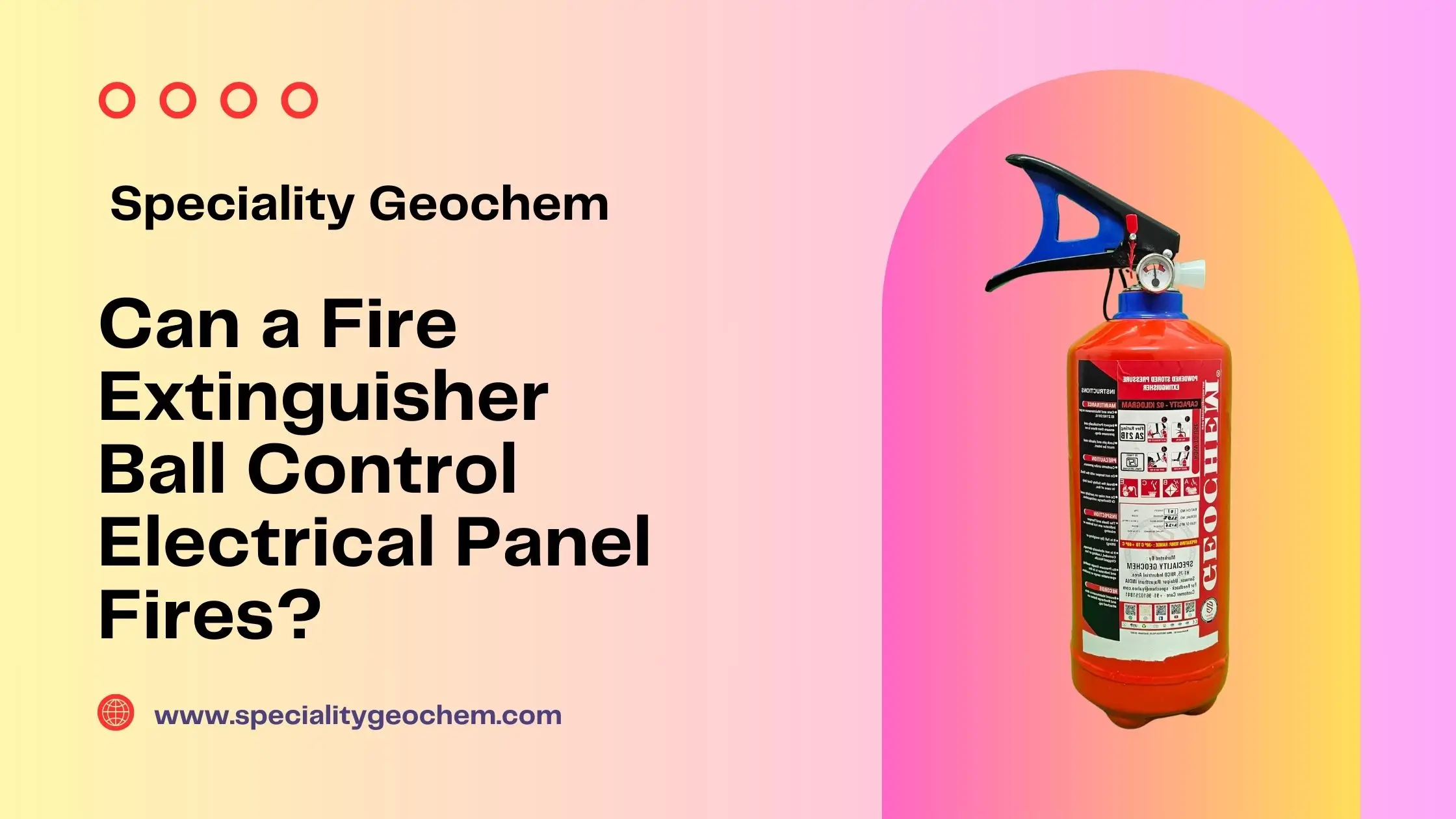
Fire safety is not something we think about every day—until we actually need it. Whether it is a home kitchen, a factory floor, a shopping mall, or an office building, the presence of reliable fire safety equipment can make the difference between a minor incident and a devastating disaster. One of the most essential components in any firefighting setup is the fire extinguisher cylinder.
In this blog, we will clearly explain what a fire extinguisher cylinder is, how it works, why it matters, and how choosing the right one ensures safety and compliance.
What Is a Fire Extinguisher Cylinder?
To understand what a fire extinguisher cylinder is, we must first understand the structure of a fire extinguisher. A fire extinguisher consists of several parts—the handle, safety pin, pressure gauge, discharge nozzle, and most importantly, the cylinder.
A fire extinguisher cylinder is the main storage container that holds the extinguishing agent under pressure. This agent may be dry chemical powder, carbon dioxide (CO₂), foam, water, or a clean agent, depending on the type of fire it is designed to control.
The cylinder is made from high-quality steel or aluminum and is designed to withstand high internal pressure. It is manufactured according to strict safety standards to ensure durability, reliability, and resistance to corrosion.
Simply put, when someone asks, “What is a fire extinguisher cylinder?” the answer is: it is the pressurized metal container that stores and releases the firefighting substance during an emergency.
Why Is the Fire Extinguisher Cylinder So Important?
The cylinder is not just a container—it is the core component of the entire extinguisher. Without a properly manufactured and tested fire extinguisher cylinder, the equipment cannot function safely or effectively.
Here’s why it is important:
1. Safe Storage of the Extinguishing Agent
The cylinder keeps the firefighting material sealed and pressurized until it is needed. If the cylinder is weak or damaged, it may leak or even burst under pressure.
2. Maintains Correct Pressure
Pressure is essential for discharging the extinguishing agent effectively. The cylinder ensures that internal pressure remains stable for a quick response during emergencies.
3. Long-Term Durability
Fire extinguishers are often stored for years before being used. A strong cylinder prevents rust, corrosion, and material degradation over time.
4. User Protection
Safety-certified cylinders are designed to prevent explosions and structural failures. This protects not only property but also the person operating the extinguisher.
Understanding what a fire extinguisher cylinder is also means recognizing that its quality directly impacts fire control effectiveness.
Materials Used in a Fire Extinguisher Cylinder
Different types of cylinders are manufactured based on usage and industry standards:
Mild Steel Cylinders
These are commonly used in dry powder extinguishers. They are cost-effective and highly durable.
Stainless Steel Cylinders
These are used in specialized environments where corrosion resistance is critical.
Aluminum Cylinders
Lightweight and easy to handle, aluminum cylinders are often used in portable extinguishers.
The choice of material significantly affects safety, weight, durability, and application.
How Does a Fire Extinguisher Cylinder Work?
To further understand what a fire extinguisher cylinder is, let’s examine how it works in real situations.
Inside the cylinder, the extinguishing agent is stored under compressed gas pressure. When the safety pin is removed and the handle is squeezed:
The valve opens.
The pressurized gas forces the extinguishing agent out.
The agent travels through the hose or nozzle.
It covers the fire, either cutting off oxygen or cooling the flames.
All of this happens within seconds. The reliability of the cylinder ensures that the discharge process is smooth and immediate.
Types of Fire Extinguisher Cylinders Based on Fire Class
Different types of fires require different extinguishing agents. The cylinder design may vary depending on its purpose.
✔ Class A (Solid Materials)
Used for fires involving wood, paper, and cloth. Typically water- or foam-based cylinders are used.
✔ Class B (Flammable Liquids)
Dry powder or foam-filled cylinders are suitable for these fires.
✔ Class C (Electrical Fires)
CO₂ cylinders are commonly used for electrical fires.
✔ Class D (Metal Fires)
Special powder-based cylinders are required for combustible metal fires.
✔ Class K (Kitchen Fires)
Wet chemical cylinders are specifically designed for oil and grease fires.
Selecting the correct cylinder type is crucial for both safety and regulatory compliance.
Manufacturing Standards and Safety Regulations
High-quality fire extinguisher cylinder production follows strict industrial standards such as:
ISI Standards (India)
ISO Certifications
BIS Approval
CE Certification (International)
These standards ensure:
Pressure resistance testing
Leakage testing
Burst strength validation
Corrosion resistance checks
If you are sourcing cylinders for industrial or commercial use, always ensure that the manufacturer complies with these certifications.
Maintenance and Inspection of Fire Extinguisher Cylinders
Even the highest-quality cylinder requires regular maintenance.
Monthly Visual Inspection
Check for rust, dents, leaks, or a drop in pressure.
Annual Professional Inspection
Authorized technicians inspect internal pressure and overall condition.
Hydrostatic Testing
Typically conducted every 3–5 years to verify structural integrity.
Neglecting maintenance can make even the strongest cylinder unsafe.
Common Problems with Poor-Quality Cylinders
Low-quality cylinders may result in:
Gas leakage
Pressure loss
Structural cracks
Corrosion
Risk of sudden bursting
This is why understanding what a fire extinguisher cylinder is is not merely technical knowledge—it is a matter of safety responsibility.
Industries That Depend on Fire Extinguisher Cylinders
Many industries rely heavily on properly certified cylinders, including:
Manufacturing plants
Oil and gas facilities
Residential complexes
Hospitals
Hotels
Warehouses
Commercial buildings
Without reliable cylinders, compliance with fire safety regulations becomes impossible.
How to Choose the Right Fire Extinguisher Cylinder
When selecting a cylinder, consider:
Type of fire risk
Required capacity (1 kg, 2 kg, 4 kg, 6 kg, etc.)
Certification standards
Manufacturing quality
Warranty support
After-sales service
Never compromise on safety to reduce costs.
Final Thoughts: What Is a Fire Extinguisher Cylinder?
At Speciality Geochem, we understand that a fire extinguisher cylinder is not just a component—it is the foundation of reliable fire protection. Designed with precision engineering, high-grade materials, and strict quality standards, our cylinders ensure maximum safety, durability, and performance during critical moments. We are committed to manufacturing certified and thoroughly tested fire extinguisher cylinders that meet national and international safety norms. Choosing Speciality Geochem means investing in dependable protection for your people, property, and operations. When safety cannot be compromised, trust a manufacturer dedicated to strength, compliance, and long-term reliability in every cylinder we produce.