Kitchen Fire Safety Equipment Guide: How to Prevent Fires

Kitchen Fire Safety Equipment Guide: How to Prevent Fires and Protect Your Kitchen

Kitchens are the most fire prone room in any home or commercial building. Cooking oils, open flames, electrical appliances, and gas connections all create real risk and a small fire can double in size every minute without the right equipment in place.

This guide explains which kitchen fire safety equipment you actually need, how each one works, where to place it, and what to do when a fire starts. It is written by Speciality Geochem, a fire safety equipment manufacturer based in Udaipur since 1996.

Quick Answer: What Kitchen Fire Safety Equipment Do You Need?

The essential kitchen fire safety equipment for any Indian home includes:

  • An ABC powder fire extinguisher cylinder for general fires
  • A fire extinguisher ball mounted above the stove for automatic protection
  • A fire blanket for smothering grease and pan fires
  • A smoke detector placed just outside the kitchen

For commercial kitchens, add an automatic fire suppression tube system above cooking equipment.

Kitchen Fire Safety Equipment: Comparison at a Glance

EquipmentFire Types CoveredBest ForMaintenance
ABC Powder Extinguisher CylinderClass A, B, CGeneral kitchen firesEvery 6 months
CO₂ ExtinguisherElectrical firesAppliances, wiringEvery 6 months
Fire Extinguisher BallClass A, B, CAutomatic/passive protectionEvery 5 years
Fire BlanketOil and grease firesPan fires, clothing firesCheck annually
Automatic Suppression TubeClass A, B, CEnclosed areas, commercial kitchensAnnually
Fire Safety Combo KitClass A, B, CComplete home protectionPer individual item
Smoke DetectorDetection onlyEarly warningTest monthly

Why Kitchen Fire Safety Equipment Is Non Negotiable

A kitchen fire does not give you much time. Cooking oil reaches ignition temperature in under two minutes when left unattended. Once a grease fire starts, it spreads to nearby surfaces, cabinets, and gas lines within seconds.

The right equipment does two things: it gives you the ability to stop a small fire before it spreads, and it provides automatic protection in moments when you cannot act fast enough.

At Speciality Geochem, we have manufactured fire safety equipment since 1996 and supply to homes, restaurants, hotels, and industrial facilities across India. The guidance here is based on real world kitchen fire scenarios, not generic safety checklists.

What Causes Kitchen Fires? (Know What You Are Defending Against)

  • Before you choose equipment, understand what starts kitchen fires. The cause determines the right response.
  • Unattended cooking is the single most common cause. Leaving food on a hot stove, even for five minutes, is enough for a grease fire to start.
  • Grease and oil buildup on stovetops, exhaust hoods, and filters acts as fuel. Accumulated grease ignites far more easily than fresh oil.
  • Faulty or overheated electrical appliances, microwaves, toasters, electric cooktops, cause electrical fires that cannot be put out with water.
  • Gas leaks from LPG cylinders or fittings can ignite from a spark, a pilot light, or even a mobile phone nearby.
  • Flammable items near heat, paper towels, oven mitts, plastic packaging, loose clothing, catch fire far more quickly than most people expect.
  • Different fire causes require different equipment. An ABC dry powder extinguisher handles grease and electrical fires. A fire blanket handles pan fires. A fire extinguisher ball handles situations where no one is present to react.

Essential Kitchen Fire Safety Equipment: What Each One Does

1. Fire Extinguisher Cylinder: Your Primary Response Tool

A fire extinguisher cylinder gives you direct, manual control over a fire in its early stage. The 30 to 60 seconds immediately after a kitchen fire starts are the window where a portable extinguisher makes the difference.

Which type is right for a kitchen?

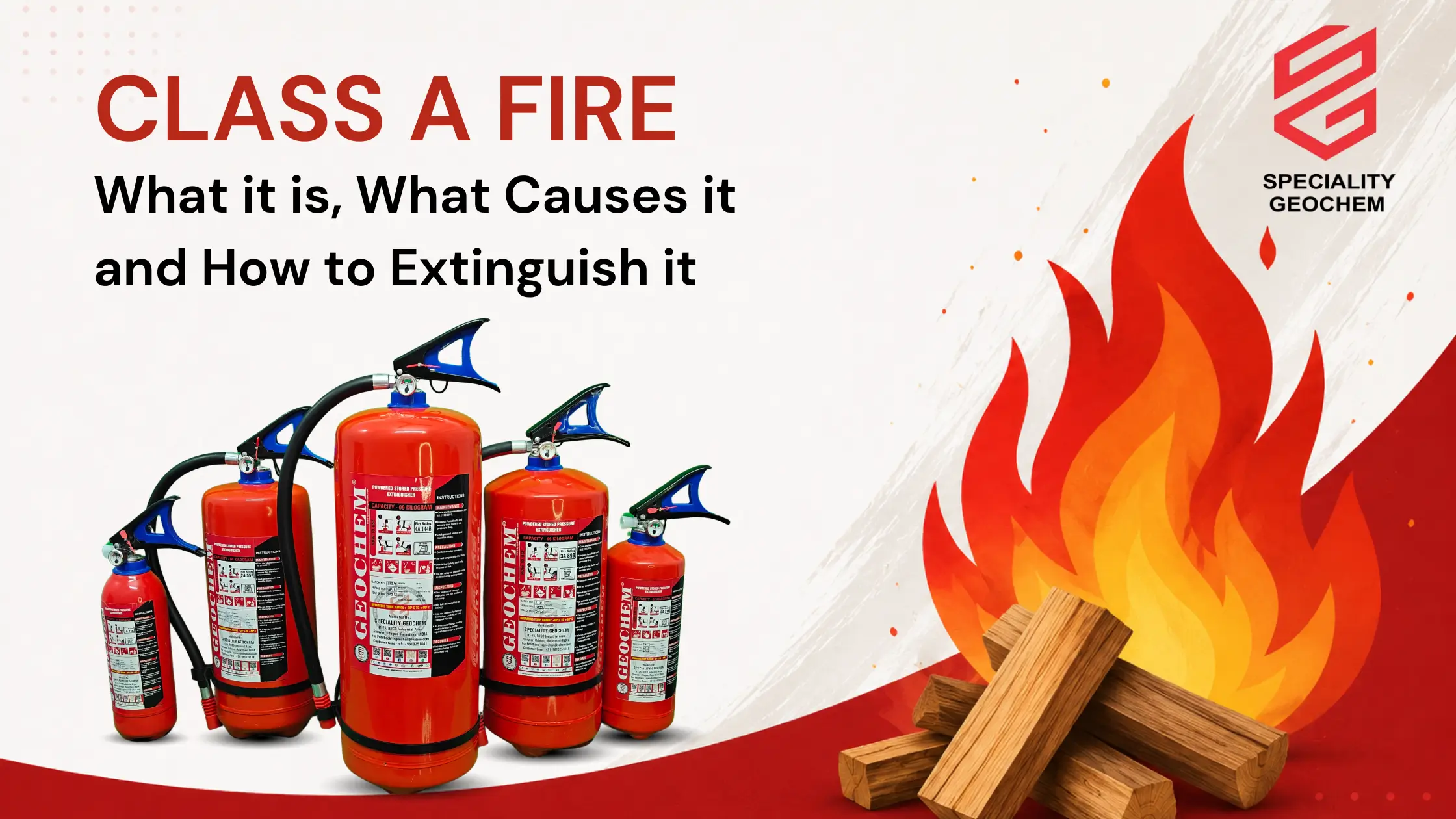
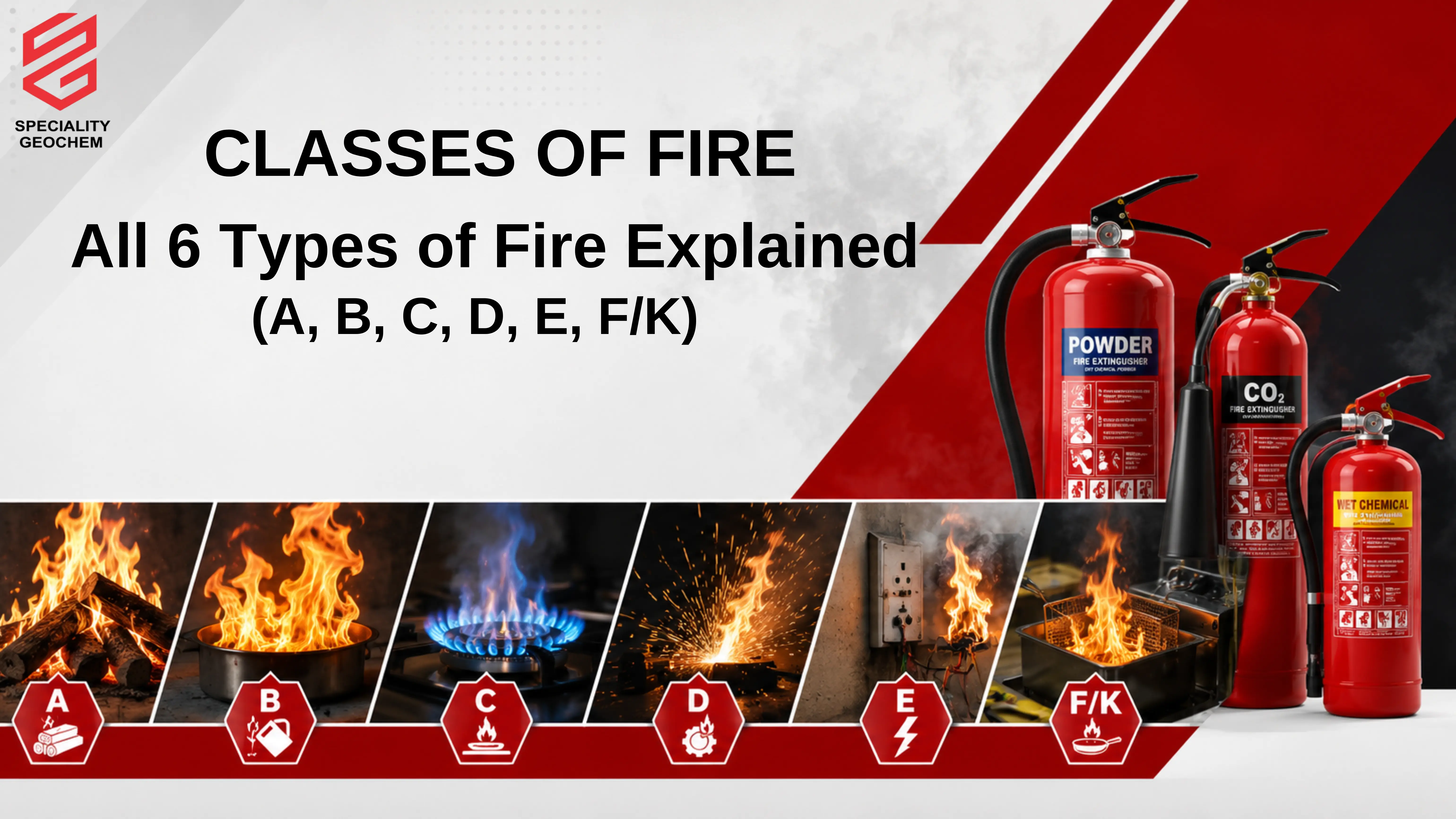
An ABC powder fire extinguisher is the most practical choice for Indian home kitchens. It handles solid material fires (Class A), flammable liquid and grease fires (Class B), and gas and electrical fires (Class C), the three fire types most common in kitchens.

A CO₂ fire extinguisher is a good addition if your kitchen has multiple electrical appliances. It leaves no residue, so there is no damage to electronics or surfaces after use. It is less effective on burning oil, so use it alongside a fire blanket in kitchens where deep frying is regular.

How to use it, the PASS method:

  • Pull the safety pin at the top
  • Aim the nozzle at the base of the fire, not the flames
  • Squeeze the handle to release the agent
  • Sweep side to side until the fire is out

Where to place it: Mount the cylinder on a wall bracket near the kitchen exit, not above the stove, and not inside a cabinet. You need a clear path to reach it without crossing the fire.

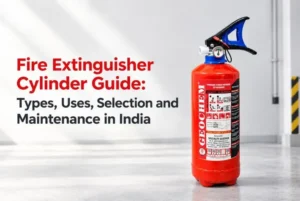
See our full range of fire extinguisher cylinders including ABC powder, CO₂, and foam options.

2. Fire Extinguisher Ball: Automatic Protection Without Any Action Required

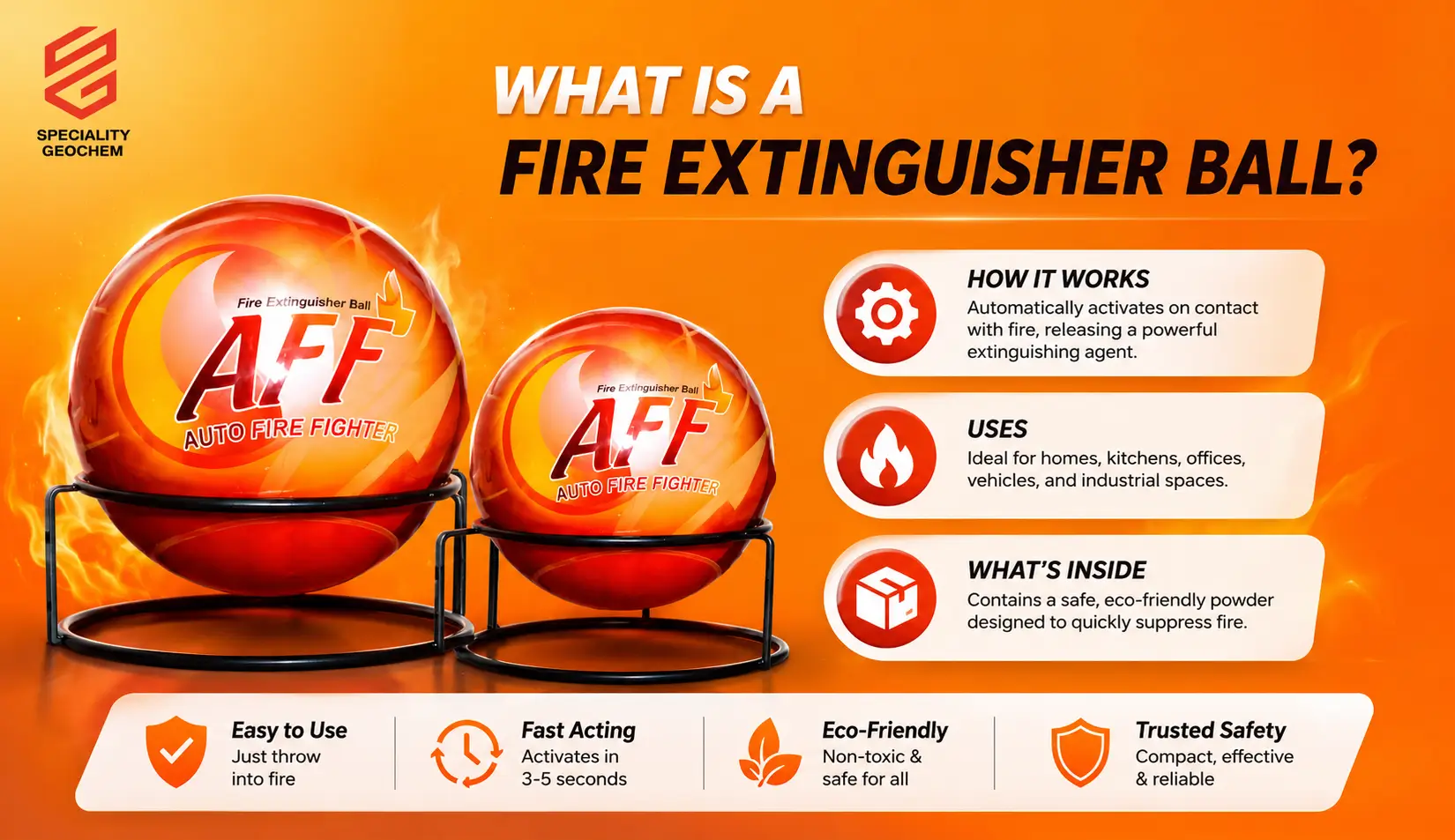
A fire extinguisher ball is one of the most practical kitchen fire safety products for Indian homes. It sits above the stove or near high risk areas and activates automatically the moment flames touch it, no training, no manual steps, no panic required.

When the ball makes contact with fire, it bursts and releases ABC dry powder across a wide area. This is particularly valuable in two situations: when a fire starts while no one is in the kitchen, and when a family member, a child, an elderly person, or someone in panic, cannot operate a cylinder.

Why it works well in Indian kitchens:

Indian cooking frequently involves high heat methods, deep frying, tempering spices in hot oil, pressure cooking, that create sudden fire risk. A ball mounted directly above the stove responds the moment flames appear, before the fire reaches surrounding surfaces.

Where to place it: Mount it 1 to 1.5 metres directly above the cooking stove. Keep it away from direct heat when the stove is in normal use. The ball should activate only when there is actual fire, not from cooking heat alone.

Maintenance: Most fire extinguisher balls have a 5 year maintenance free shelf life. Check the manufacturer’s guidance for replacement dates.

Read our detailed guide: Fire Extinguisher Ball for Kitchen: Placement, Safety, and How It Works

3. Fire Blanket: The Fastest Tool for Grease and Pan Fires

A fire blanket is a sheet of fire resistant material used to smother small fires by cutting off their oxygen supply. It is the most effective first response for two of the most common kitchen fire situations: a pan fire on the stove and a person whose clothing has caught fire.

Why you must never use water on a grease fire: Throwing water on burning oil causes a violent steam explosion. The boiling water vaporises instantly, carrying burning oil with it and spreading the fire over a large area. A fire blanket smothers the fire safely without any such reaction.

How to use a fire blanket correctly:

  • Pull it from the wall case by the corner loops
  • Wrap it over your hands and forearms to protect yourself
  • Place it firmly over the flames, do not wave or fan it
  • Keep it in place for at least 15 minutes. The oil stays hot and will reignite if uncovered too soon
  • Turn off the heat source if it is safe to do so
  • Do not lift the blanket to check; wait until the surface is cool

Where to place it: Mount the blanket case on the kitchen wall within arm’s reach of the stove, ideally beside the kitchen door so it is accessible from either direction.

4. Automatic Fire Suppression Tube System: For Commercial and High Risk Kitchens

An automatic fire suppression tube system is a flexible tubing installed inside an enclosed area, above a cooking range, inside an exhaust hood, or inside a cabinet housing electrical equipment. When heat causes the tube to burst at the fire location, it releases extinguishing agent directly onto the fire source without any human involvement.

This is the right choice for:

  • Restaurant and hotel kitchens with constant high heat cooking
  • Kitchens with exhaust hoods above grills, fryers, or commercial ranges
  • Any enclosed equipment area where a fire could start and go unnoticed

The system is always active and does not depend on staff recognition or response time. It activates at the exact point where the fire starts, which minimises both fire damage and suppression agent waste.

5. Fire Safety Combo Kit: Complete Home Kitchen Protection in One Package

Speciality Geochem’s Fire Safety Combo 3 in 1 combines a fire extinguisher ball, a 2 kg ABC powder cylinder, and a fire blanket into a single kit. This covers passive automatic protection, active manual response, and immediate smothering, the three layers of kitchen fire response.

It is the most practical starting point for Indian households that want complete kitchen fire protection without purchasing equipment separately.

6. Smoke Detector: Early Warning That Saves Response Time

A smoke detector does not extinguish a fire. It gives you the seconds you need to act before the fire grows beyond control, and in a real fire, those seconds make the difference.

Where to place it: Mount your smoke detector just outside the kitchen door, at ceiling height. Do not place it directly above or inside the kitchen. Steam and everyday cooking smoke will trigger false alarms, and you will disable it out of frustration.

Test it every month using the test button. Replace the battery annually, or choose a sealed long life battery unit so the reminder is built in.

Correct Placement of Kitchen Fire Safety Equipment

Placement determines whether equipment works when you actually need it. The best extinguisher in a locked cabinet is useless in an emergency.

EquipmentWhere to PlaceCommon Mistake to Avoid
Fire Extinguisher CylinderWall mounted near kitchen exit, at eye levelStored under the sink or inside a closed cabinet
Fire Extinguisher Ball1 to 1.5 m above the cooking stoveToo close to stove heat during normal cooking
Fire BlanketWall case beside the kitchen doorFolded in a drawer or stored in a bag
Smoke DetectorOutside kitchen door, ceiling heightDirectly above the stove
Suppression TubeInside exhaust hood or above cooking rangeInside an unsealed open area where activation scatters the extinguishing agent

6 Kitchen Fire Prevention Habits That Reduce Risk

Equipment responds when fire starts. These habits reduce how often that happens.

Never leave cooking unattended. If you must leave the kitchen, turn off the heat. Unattended cooking is the leading cause of kitchen fires in India and globally.

Clean grease regularly. Wipe down the stovetop, burners, and exhaust hood filters after cooking. Accumulated grease is the primary fuel source in kitchen fire spread.

Keep flammable items 30 cm away from heat. Paper towels, plastic bags, oven mitts, and loose clothing near an open flame or hot surface ignite faster than most people expect.

Use a lid to smother small pan fires. If oil catches fire in a pan, slide a tight fitting lid over it and turn off the heat. The lack of oxygen extinguishes the fire without any chemicals.

Check appliances before you leave. Make it a habit to confirm the stove, oven, and microwave are off before leaving the kitchen for the night or before leaving the house.

Never use water on oil or electrical fires. Water on grease causes an explosion of burning steam. Water on electrical fires causes electrocution. Use your fire extinguisher or fire blanket instead.

What to Do When a Kitchen Fire Starts

Act in this order. Speed and calm both matter.

Step 1: Turn off the heat source immediately if it is safe to reach.

Step 2: Assess the fire size. If it fits under a pan lid or fire blanket, act. If it is larger than that, do not attempt to fight it.

Step 3: Use the right equipment for the fire type:

  • Pan or oil fire → fire blanket first, or fire extinguisher ball if it has already activated
  • Electrical fire → CO₂ extinguisher or ABC extinguisher; never water
  • General fire on solid surfaces → ABC extinguisher cylinder (PASS method)

Step 4: If the fire is growing, get out. Close the kitchen door behind you to slow fire and smoke spread.

Step 5: Call 101 (Indian fire emergency) from outside the building.

Step 6: Do not re enter until the fire service confirms it is safe.

How Often Should You Inspect Kitchen Fire Safety Equipment?

EquipmentFrequencyWhat to Check
Fire Extinguisher CylinderEvery 6 monthsPressure gauge in green zone, pin intact, no dents or corrosion
Fire Extinguisher BallEvery 5 years (or per manufacturer)No cracks, secure mounting, expiry date
Fire BlanketAnnuallyNo tears, no moisture exposure, case opens easily
Smoke DetectorMonthlyTest button works, battery charged
Suppression TubeAnnuallyNo kinks, tube intact, nozzle unblocked

Frequently Asked Questions About Kitchen Fire Safety Equipment

What is the best fire extinguisher for a home kitchen in India?

An ABC powder fire extinguisher cylinder is the most practical choice for most Indian home kitchens. It covers grease fires, gas fires, electrical fires, and general solid material fires, the most common types in kitchen environments. Look for BIS certified products to confirm they meet Indian fire safety standards.

Can a fire extinguisher ball replace a fire extinguisher cylinder?

No. They serve different purposes. A fire extinguisher ball activates automatically and is ideal when no one is present or when manual operation is not possible. A cylinder gives you direct manual control over a larger fire. The best kitchen protection uses both together, which is why our Fire Safety Combo 3 in 1 includes both.

Where exactly should I place a fire extinguisher in the kitchen?

Mount it on the wall near the kitchen exit, not above the stove, and not inside a cupboard. You need to be able to reach it in under 10 seconds without crossing the fire. Eye level placement makes it visible and accessible.

Can I use water to put out a kitchen fire?

Never use water on a grease fire or an electrical fire. Water on burning oil causes a violent steam explosion that spreads burning oil across the kitchen. Water on an electrical fire causes electrocution. Use a fire blanket for grease fires and an ABC or CO₂ extinguisher for electrical fires.

How long does a fire extinguisher ball last?

Most fire extinguisher balls have a 5 year maintenance free shelf life. After that, replace them even if unused. Always check the expiry date marked on the product and follow the manufacturer’s replacement guidance.

Do I need a fire blanket if I already have an extinguisher?

Yes. A fire blanket is the safest and fastest response to a pan fire or oil fire on the stove. Using an extinguisher on a small pan fire releases powder across the kitchen and can make the fire worse if aimed incorrectly. A fire blanket smothers the fire cleanly and safely without this risk.

Is kitchen fire safety equipment required by law in India?

Commercial kitchens in restaurants, hotels, and food businesses are required under NBC (National Building Code) and local fire safety regulations to have fire extinguishers and fire suppression systems. For residential kitchens, it is not legally mandated but is strongly recommended. Speciality Geochem products carry BIS certification.

Summary: What Your Kitchen Needs

PriorityEquipmentPurpose
EssentialABC Powder Extinguisher CylinderManual response for all common fire types
EssentialFire Extinguisher BallAutomatic protection, especially when unattended
EssentialFire BlanketFastest response for oil and pan fires
EssentialSmoke DetectorEarly warning before fire grows
RecommendedCO₂ ExtinguisherClean response for electrical appliance fires
Commercial / High RiskAutomatic Suppression Tube24/7 enclosed area protection
Best ValueFire Safety Combo 3 in 1All three essentials in one kit

About Speciality Geochem

Speciality Geochem has manufactured and supplied fire safety equipment from Udaipur since 1996. Our products are BIS certified and supplied to homes, restaurants, hotels, schools, and industrial facilities across India. We manufacture fire extinguisher cylinders (ABC, CO₂, foam, water based), fire extinguisher balls, fire blankets, automatic suppression tube systems, and complete fire safety combo kits.

For product enquiries or bulk orders, contact us or explore our full fire fighting equipment range.