Fire Safety Equipment : Kitchens are not only essential for daily living but also among the most common places where fire accidents occur. From cooking oils to open flames and electrical appliances, the potential for fire-related hazards is significant.
With the right fire safety equipment, these risks can be minimized effectively, ensuring a safer environment for homes, businesses, and commercial kitchens. In this blog, we’ll explain how fire extinguishing cylinders and fire extinguishing balls can help prevent kitchen fires and protect lives.
Understanding Fire Risks in the Kitchen
Understanding Fire Risks in the Kitchen
Kitchens are at risk of fires because of the presence of heat, oil and other materials that are flammable. Common causes of kitchen fires include:
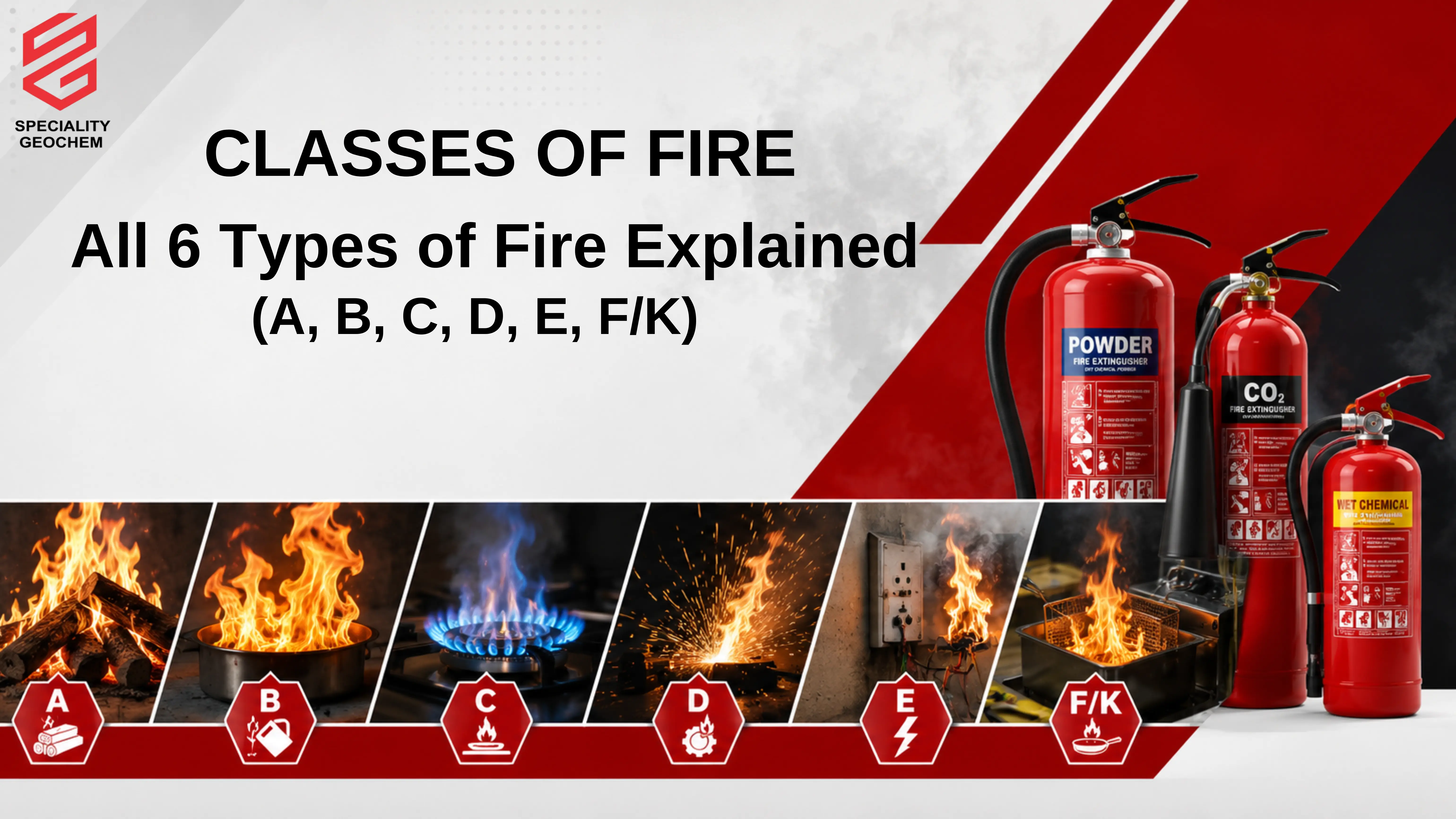
Grease Fires The cause is that cooking oils heat up and start to catch fire.
Electrical Appliances Malfunctions A faulty wiring or overheated appliances could ignite an explosion.
Cooking that is not monitored: One of the most common causes of fires in kitchens because heat or flames sources are left unsupervised.
If not reacted to swiftly, fires can grow quickly, causing severe destruction and risk to the lives of those around. The fire safety equipment helps to keep small fires from growing prior to their growth, reducing risks and preventing major damage.
The Role of Fire Extinguishing Cylinders
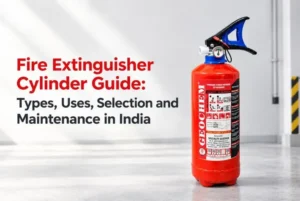
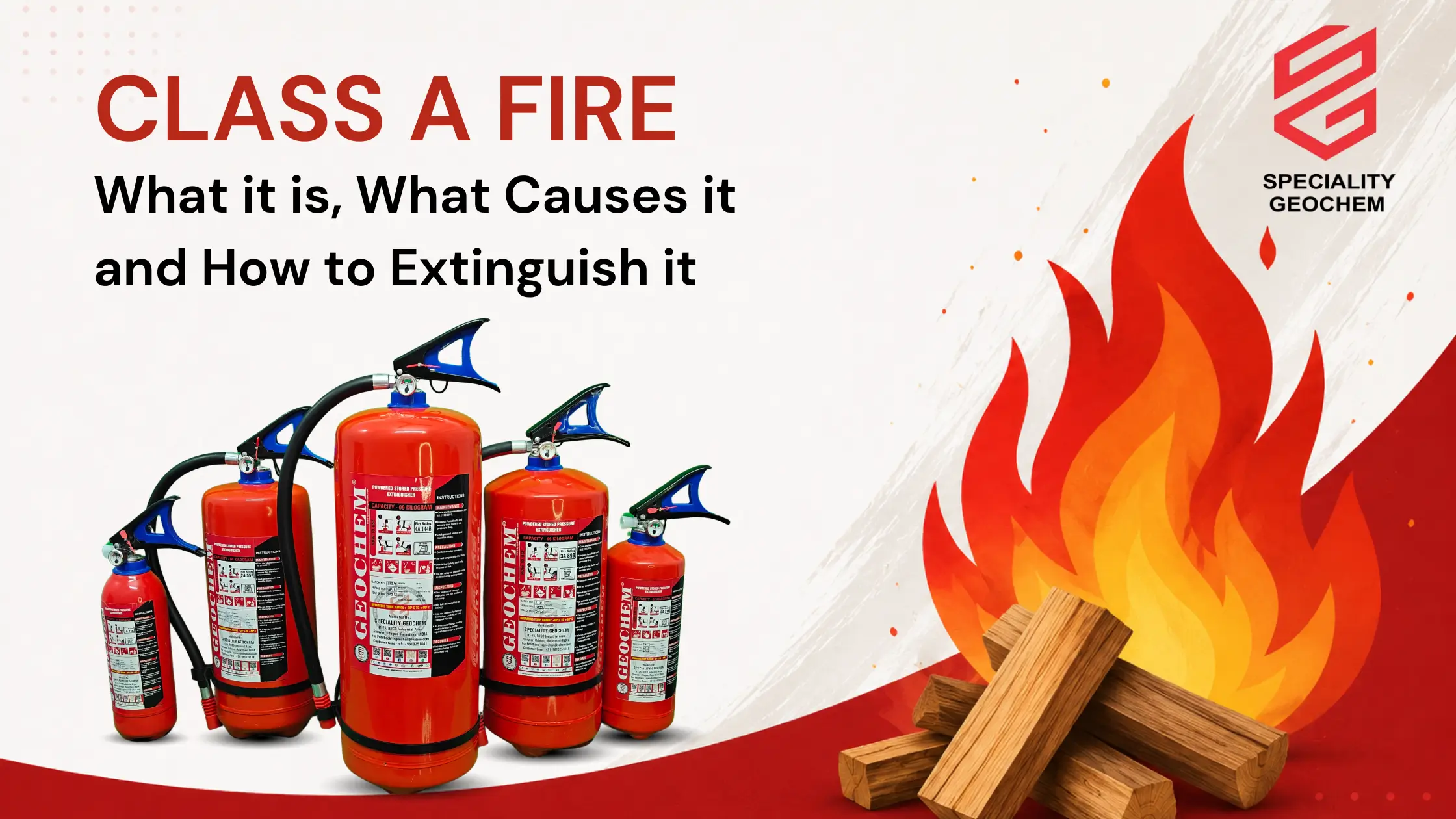
Fire extinguishing cylinders, commonly known as fire extinguishers, are essential for kitchen safety. A multipurpose fire extinguisher or one designed for grease fires is ideal for addressing the unique risks found in kitchens.
Key Benefits of Fire Extinguishing Cylinders:
- Quick Response: Fire extinguishers allow for immediate action, helping to contain fires before they spread.
- Versatility: Suitable for various types of fires, including grease, electrical, and general kitchen fires.
- Ease of Use: Modern fire extinguishers are simple to operate, even for individuals without prior experience.
To ensure effectiveness, we recommend regular inspections, proper placement, and training on how to use fire extinguishers.
How Fire Extinguisher Balls Work
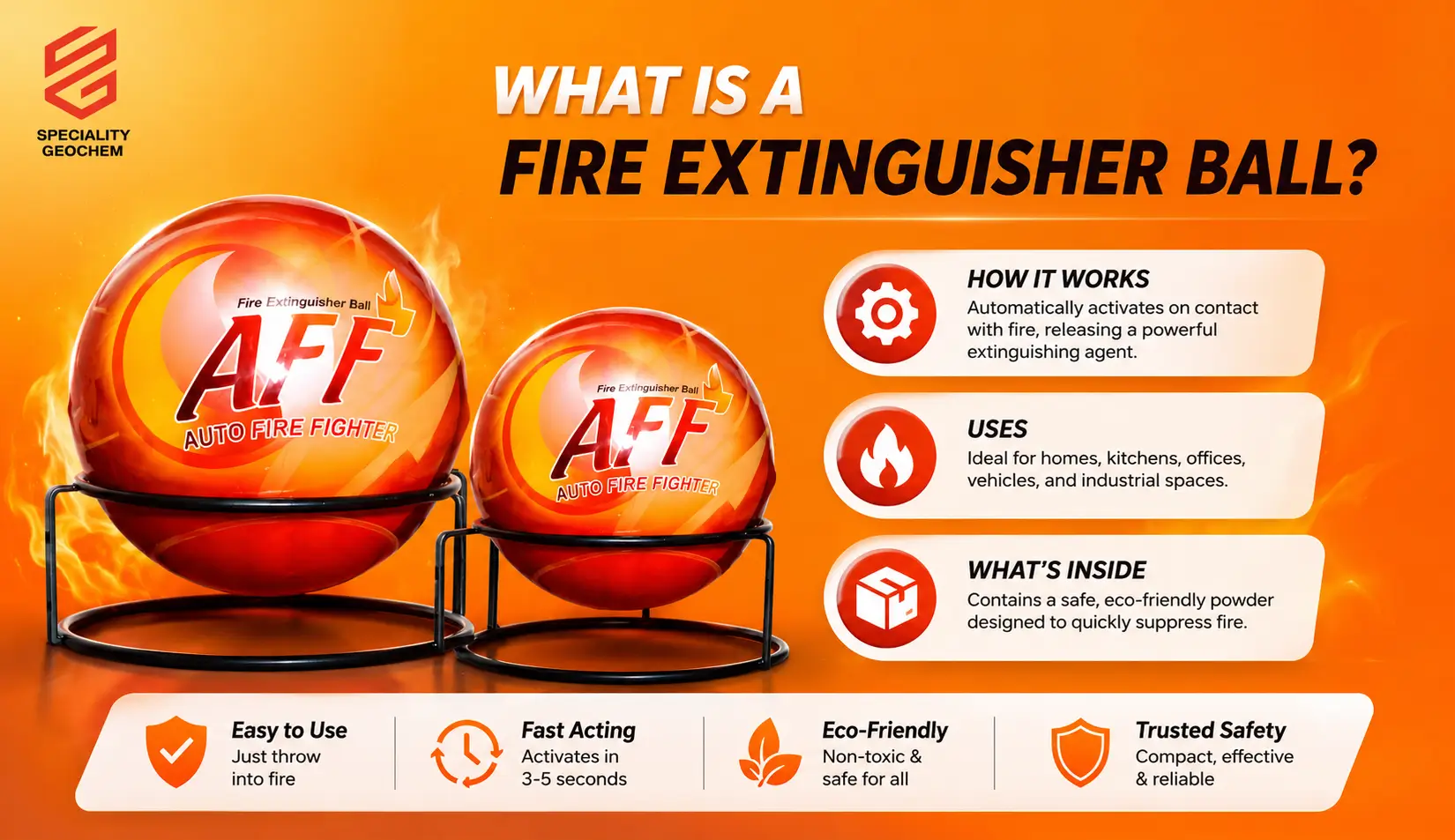
Fire extinguisher balls are an innovative, automatic solution for fire suppression. These lightweight devices activate upon contact with flames, dispersing fire-extinguishing agents over the affected area.
Advantages of Fire Extinguisher Balls:
- Automatic Activation: No manual operation is required. Place them near high-risk areas like stoves or gas cylinders for immediate response to fires.
- Wide Coverage: The ball’s activation disperses chemicals over a larger area, effectively extinguishing fires.
- Low Maintenance: Unlike traditional extinguishers, fire extinguisher balls do not require frequent inspections or refills.
These devices are particularly effective for tackling fires in their early stages, providing an extra layer of protection in your kitchen.
Tips for Using Fire Safety Equipment Effectively
The fire safety equipment is the best when properly used. Here are some suggestions to ensure the highest level of safety in your kitchen
1. Inform everyone: Make sure everyone within your family or on the staff is aware of where the emergency equipment for firefighters is and how to make use of it.
2. Maintaining it regularly: Make sure to check fire extinguishers frequently to make sure they’re functioning properly and replace the fire extinguisher ball whenever necessary.
3. Strategic Positioning: Position fire safety tools close to high-risk areas such as the gas cylinder or stove However, make sure that they’re not in close proximity to any fire hazards.
4. Be calm: If a fire occurs, remain at peace and follow instructions of the equipment. If the fire is uncontrollable be evacuated immediately and call emergency services immediately.
Conclusion
At Speciality Geochem, we understand the importance of preventing accidents in high-risk areas like the kitchen. Fire safety equipment, such as extinguishing cylinders and fire extinguisher balls, is a vital part of any safety plan.
By understanding fire risks, selecting the right tools, and ensuring proper usage, you can create a safer environment for your home or workplace. With our range of reliable fire safety solutions, you can reduce the risk of kitchen fires and protect what matters most.
Invest in top-quality fire safety equipment from Speciality Geochem today and make your kitchen a safer place for everyone.