How It Controls and Suppresses Fire: Fire accidents can happen anytime—at homes, offices, factories, warehouses, or even vehicles. In such emergencies, one of the most reliable and accessible fire safety tools is the fire extinguisher cylinder. Though small in size, this device plays a powerful role in protecting lives and property.
Understanding how a fire extinguisher cylinder works and how it Controls and Suppresses Fire is essential for every home and business owner. This guide explains the working mechanism, components, types, and safety importance of fire extinguisher cylinders in simple and practical language.
What Is a Fire Extinguisher Cylinder?
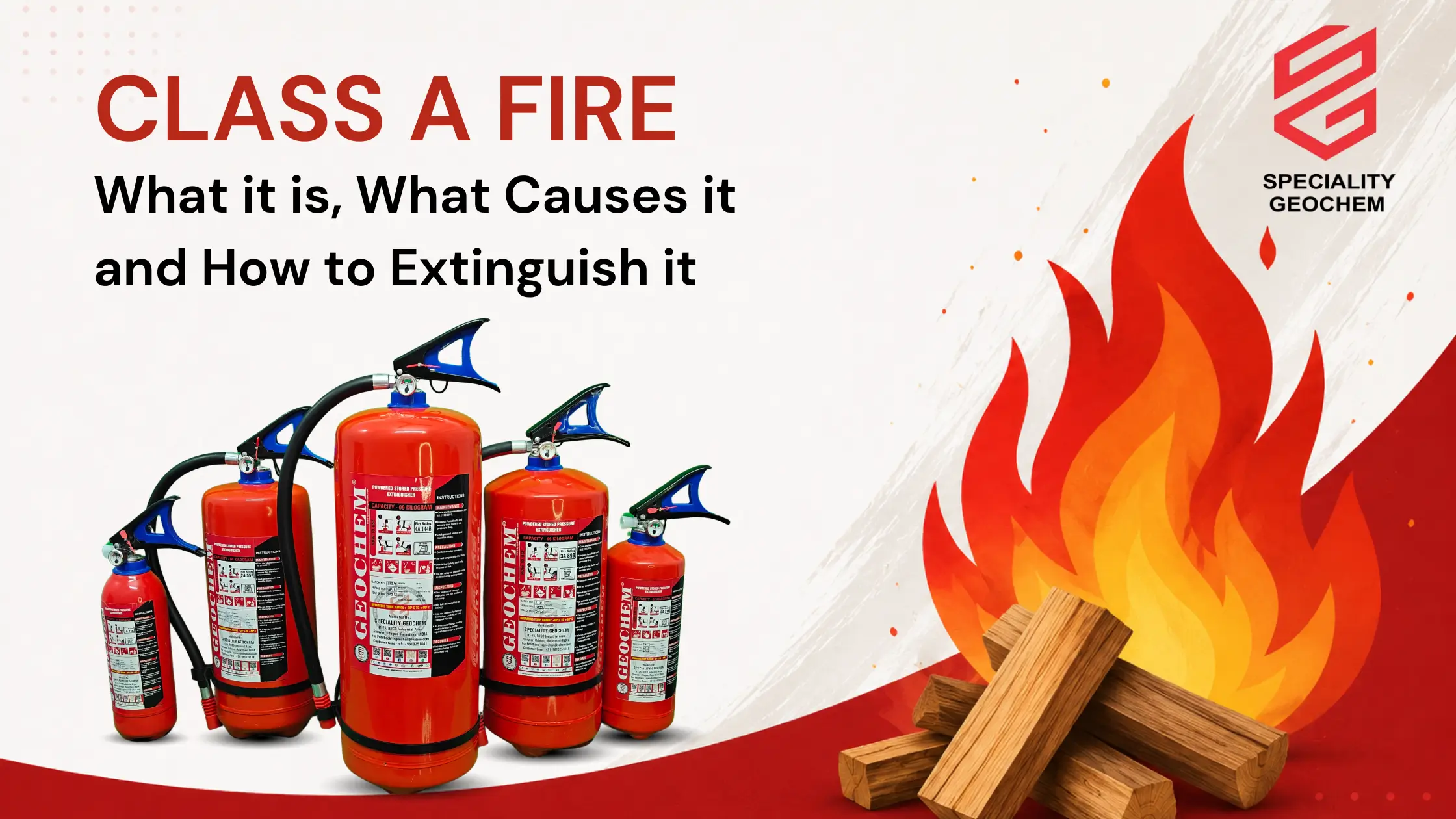
A fire extinguisher cylinder is a pressurized container filled with a fire-extinguishing agent. The cylinder stores the extinguishing material under pressure and releases it when activated.
The main purpose of the cylinder is to safely store and discharge the agent in a controlled manner so that it effectively Controls and Suppresses Fire during the early stages.
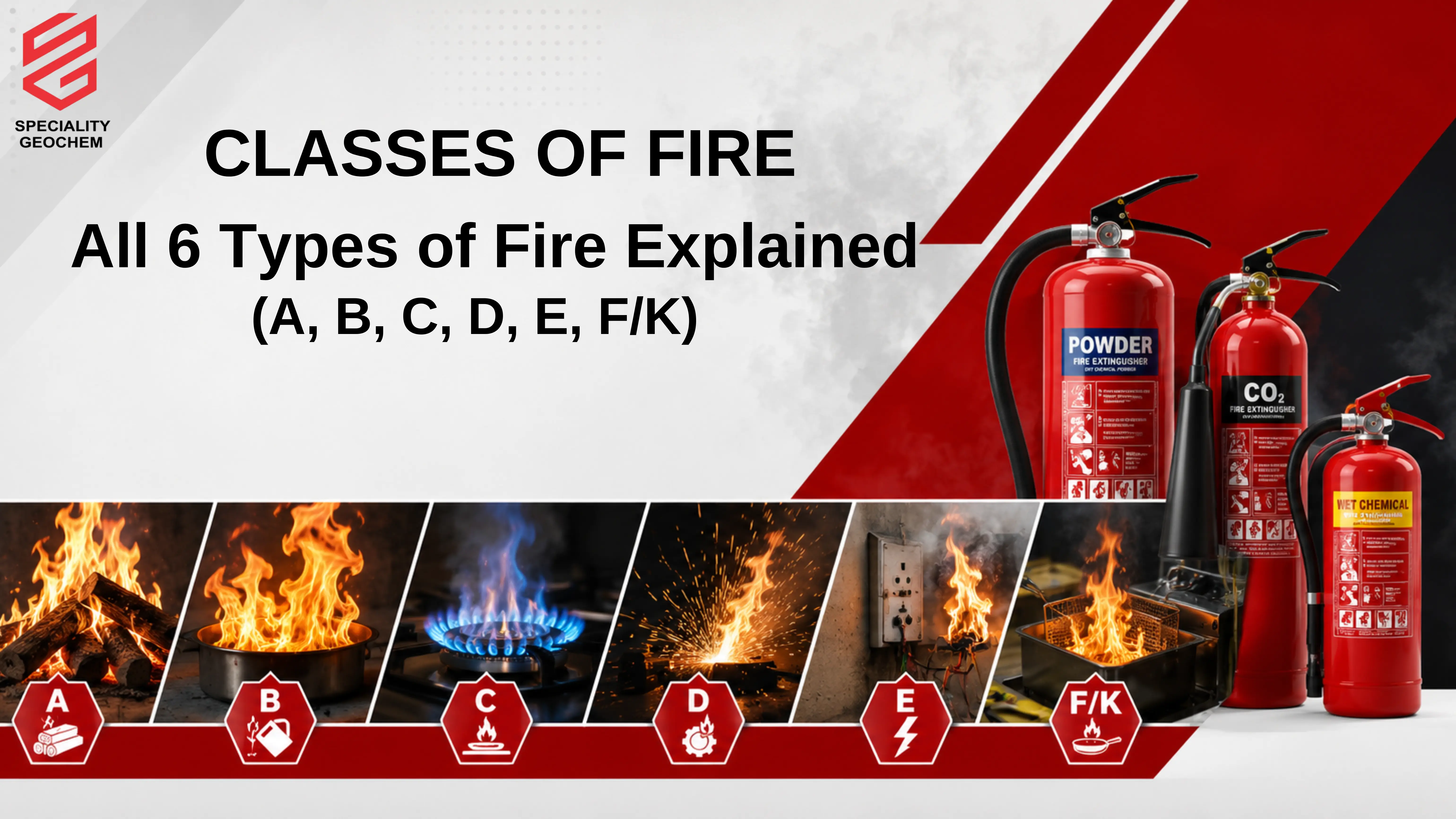
Fire extinguishers are classified based on the type of fire they are designed to handle, such as:
-
Class A – Ordinary combustibles (wood, paper, cloth)
-
Class B – Flammable liquids
-
Class C – Electrical equipment
-
Class D – Combustible metals
-
Class K – Kitchen oils and fats
Each type uses a specific extinguishing medium to interrupt the fire process.
Main Components of a Fire Extinguisher Cylinder
To understand how it works, let’s first look at its main parts:
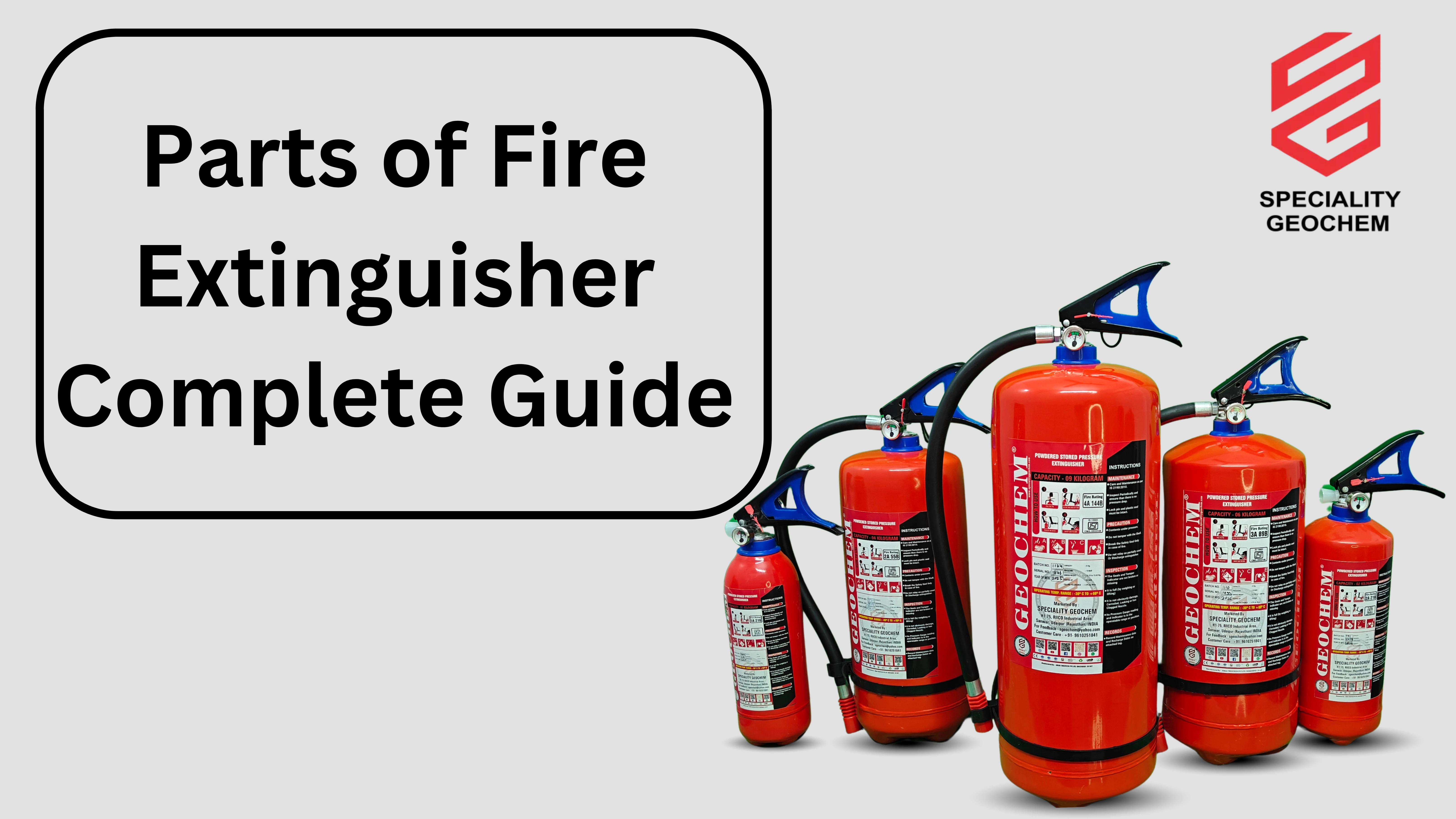
1. Cylinder Body
The outer body is made of steel or aluminum and designed to withstand high internal pressure. It holds the extinguishing agent securely.
2. Valve Assembly
The valve controls the release of the extinguishing agent. When the handle is pressed, the valve opens and allows the agent to flow out.
3. Pressure Gauge
This shows whether the extinguisher is properly pressurized and ready for use.
4. Safety Pin
The safety pin prevents accidental discharge. It must be pulled out before using the extinguisher.
5. Hose and Nozzle
The hose directs the extinguishing agent toward the base of the fire.
Each part plays a vital role in ensuring the cylinder performs effectively when required.
How Fire Actually Works
Before learning how an extinguisher works, it is important to understand the fire triangle, which consists of:
-
Heat
-
Fuel
-
Oxygen
Fire continues to burn when all three elements are present. Remove even one element, and the fire stops.
A fire extinguisher cylinder is designed to break this triangle and Controls and Suppresses Fire by targeting one or more of these components.
How a Fire Extinguisher Cylinder Controls and Suppresses Fire
When activated, the extinguisher releases its agent in a forceful stream. Depending on the type of extinguisher, it works in different ways:
1. Cooling the Fire
Water-based extinguishers remove heat from the fire. When water is sprayed on flames, it absorbs heat and lowers the temperature below ignition level.
2. Smothering the Fire
Foam and CO₂ extinguishers create a barrier between oxygen and fuel. This cuts off the oxygen supply and suffocates the flames.
3. Interrupting Chemical Reaction
Dry chemical powder extinguishers interfere with the chemical chain reaction occurring in flames. This is how they quickly Controls and Suppresses Fire in electrical and flammable liquid fires.
Each extinguishing agent is carefully selected to match the type of fire risk.
Types of Fire Extinguisher Cylinders
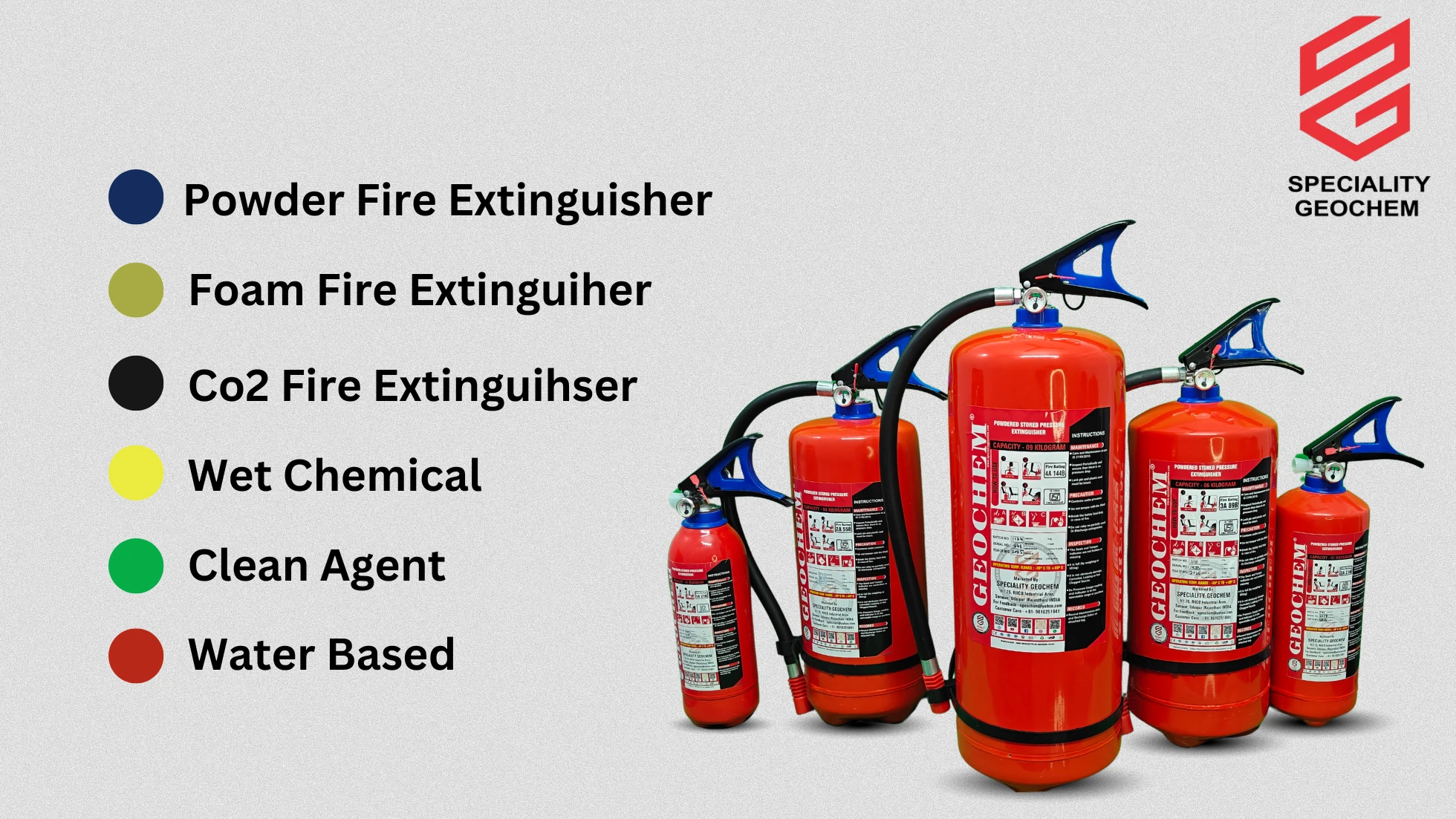
Here are the most commonly used types:
Water-Based Extinguishers
Best for Class A fires. They cool the burning material effectively.
CO₂ (Carbon Dioxide) Extinguishers
Ideal for electrical fires and flammable liquids. They displace oxygen without leaving residue.
Dry Chemical Powder Extinguishers
Highly versatile and effective for Class A, B, and C fires. They act quickly to break the combustion process.
Foam Extinguishers
Suitable for flammable liquids and solid combustibles. They create a foam blanket over the fire.
Clean Agent Extinguishers
Used in data centers and sensitive equipment areas because they leave no residue.
Each type is designed to efficiently Controls and Suppresses Fire under specific conditions.
Step-by-Step: How to Use a Fire Extinguisher Cylinder
The simplest way to remember the method is PASS Method:
-
P – Pull the safety pin
-
A – Aim the nozzle at the base of the fire
-
S – Squeeze the handle
-
S – Sweep side to side
Always aim at the base of the fire, not at the flames. This ensures the agent reaches the fuel source and effectively Controls and Suppresses Fire.
Why the Cylinder Design Matters
The cylinder is not just a container—it is engineered for safety and performance.
-
Built with corrosion-resistant material
-
Designed to handle high internal pressure
-
Tested under strict safety standards
-
Equipped with tamper-proof safety features
Regular inspection and refilling are essential to maintain its readiness. A poorly maintained extinguisher may fail when needed most.
Maintenance and Inspection Tips
To ensure your extinguisher works properly:
-
Check the pressure gauge monthly
-
Ensure the safety pin is intact
-
Inspect for physical damage or rust
-
Service annually by a certified technician
-
Refill after every use
A well-maintained cylinder is crucial because even the best equipment cannot Controls and Suppresses Fire if it is empty or damaged.
Where Fire Extinguisher Cylinders Should Be Installed
For maximum safety, install extinguishers in:
-
Kitchens
-
Electrical rooms
-
Office corridors
-
Warehouses
-
Parking areas
-
Industrial plants
They should be easily accessible and clearly visible. Quick access significantly improves the chances of successfully stopping a small fire before it spreads.
Importance in Industrial and Commercial Spaces
In factories and commercial buildings, fire risks are higher due to machinery, chemicals, and electrical systems. Fire extinguisher cylinders act as the first line of defense before fire brigade arrival.
Businesses that invest in proper fire safety equipment reduce financial loss, operational downtime, and legal liabilities.
In many regions, fire extinguisher cylinders are mandatory as per safety regulations and building codes.
Final Thoughts
A fire extinguisher cylinder may appear simple, but it plays a critical role in safeguarding people, property, and operations during emergencies. Choosing the correct type, ensuring proper installation, and conducting regular maintenance are essential steps in effective fire risk management. At Speciality Geochem, we are committed to delivering reliable, high-quality fire safety solutions designed to meet modern safety standards. With the right equipment and timely response, even a small device can prevent major damage. Investing in certified fire protection systems today ensures long-term safety, compliance, and peace of mind for homes, businesses, and industries alike.