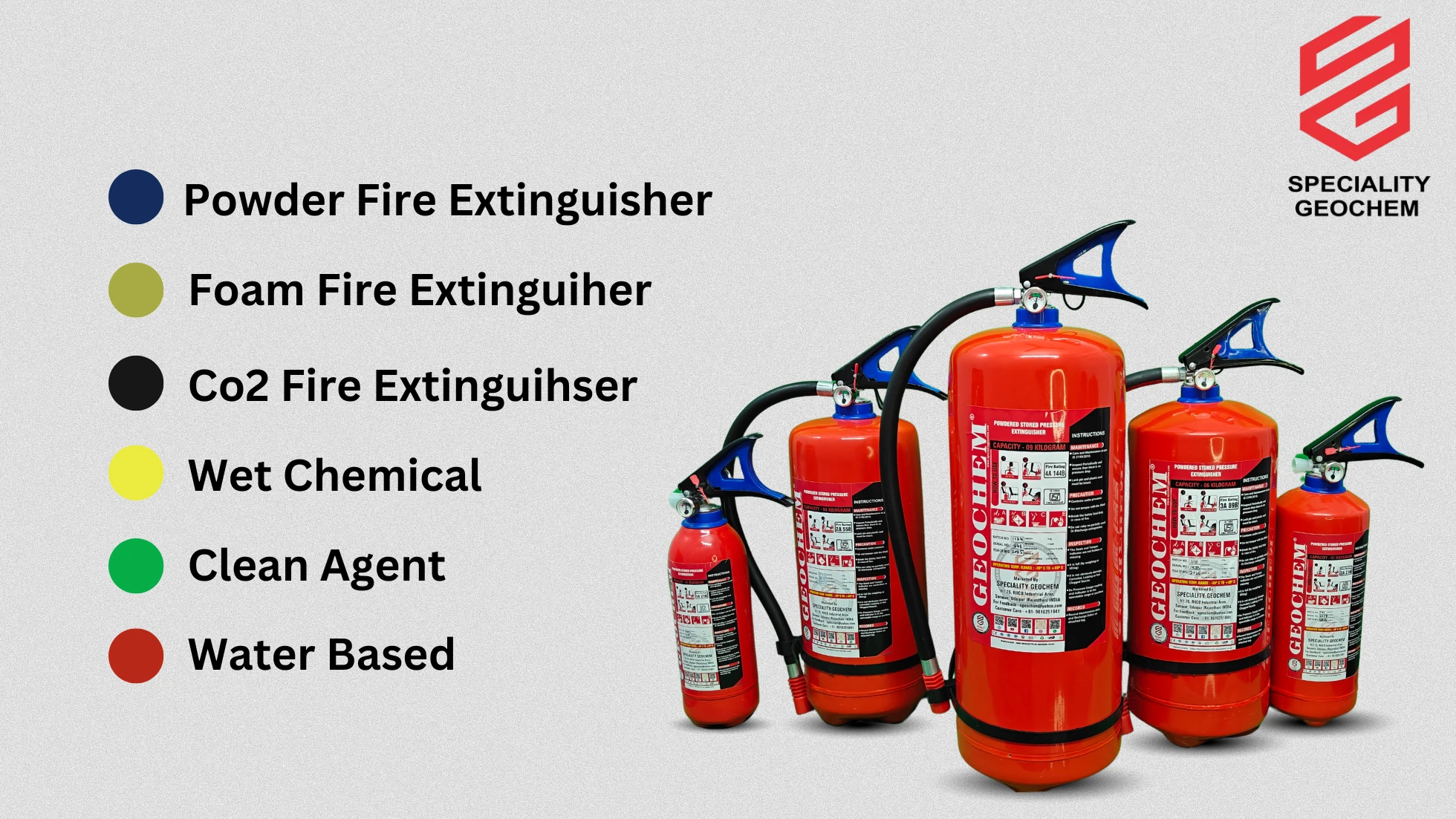
Hospitals are among the most sensitive and high-risk buildings when it comes to fire safety. Unlike offices or commercial complexes, hospitals operate 24/7, house critical medical equipment, and accommodate patients who may not be able to evacuate quickly on their own. A small fire incident in such an environment can quickly turn into a life-threatening disaster. That is why having the right fire protection system is not just a regulatory requirement—it is a moral and operational responsibility.
One of the most important elements of hospital fire safety is choosing the correct Fire Extinguisher Cylinder for Hospitals, designed specifically to address the unique challenges of healthcare environments.
Why Hospitals Need Specialized Fire Safety
Hospitals face a combination of risks that most other buildings do not:
- High electrical load from medical devices
- Oxygen cylinders and flammable gases
- Use of chemicals and disinfectants
- Presence of bedridden or immobile patients
- Continuous public movement (staff, visitors, patients)
In such conditions, fire safety cannot be generic. Standard fire extinguishers may not be enough. Hospitals require extinguishers that are effective, fast-acting, non-toxic, and safe for use around patients and sensitive equipment.
This is where a well-planned fire protection system, centered around a Fire Extinguisher Cylinder for Hospitals, becomes crucial.
Key Areas in Hospitals That Need Fire Extinguishers
Different areas inside a hospital have different fire risks. Understanding these zones helps in selecting and placing the right type of extinguishers.
1. Intensive Care Units (ICU)
ICUs are filled with electronic machines like ventilators, monitors, and infusion pumps. Electrical fires are the biggest risk here. Using water-based extinguishers can damage equipment and put patients in danger.
Recommended: CO₂ or Clean Agent fire extinguishers.
2. Operation Theatres (OT)
Operation theatres require a sterile environment. Any residue from fire suppression can contaminate equipment and delay surgeries.
Recommended: Clean agent or automatic fire suppression systems.
3. Laboratories
Labs often store flammable chemicals and gases. Fires here can spread quickly and cause explosions.
Recommended: ABC Dry Powder or specialized chemical extinguishers.
4. Pharmacy & Storage Rooms
These areas store medicines, alcohol-based solutions, and packaging materials.
Recommended: ABC Dry Powder or Foam extinguishers.
5. Electrical Panels & Server Rooms
Power failures and short circuits are common fire triggers.
Recommended: CO₂ or Clean Agent extinguishers.
Each of these areas demands a different strategy, but all of them must be supported by a reliable Fire Extinguisher Cylinder for Hospitals.
Types of Fire Extinguisher Cylinders Suitable for Hospitals
Choosing the right type of extinguisher is more important than just installing any cylinder on the wall.
1. CO₂ Fire Extinguishers
Best for electrical fires and equipment rooms. They leave no residue and do not damage sensitive devices.
Advantages:
- No chemical residue
- Safe for electronics
- Quick suppression
Limitations:
- Not effective on solid materials like paper or cloth
- Not ideal in open spaces
2. Clean Agent Fire Extinguishers
These are specially designed for environments where cleanliness and safety are critical.
Advantages:
- Non-toxic and eco-friendly
- No residue
- Safe for patients and staff
These are highly recommended as a Fire Extinguisher Cylinder for Hospitals because they protect both lives and expensive equipment.
3. ABC Dry Powder Extinguishers
Versatile and effective on multiple fire types (solid, liquid, gas).
Advantages:
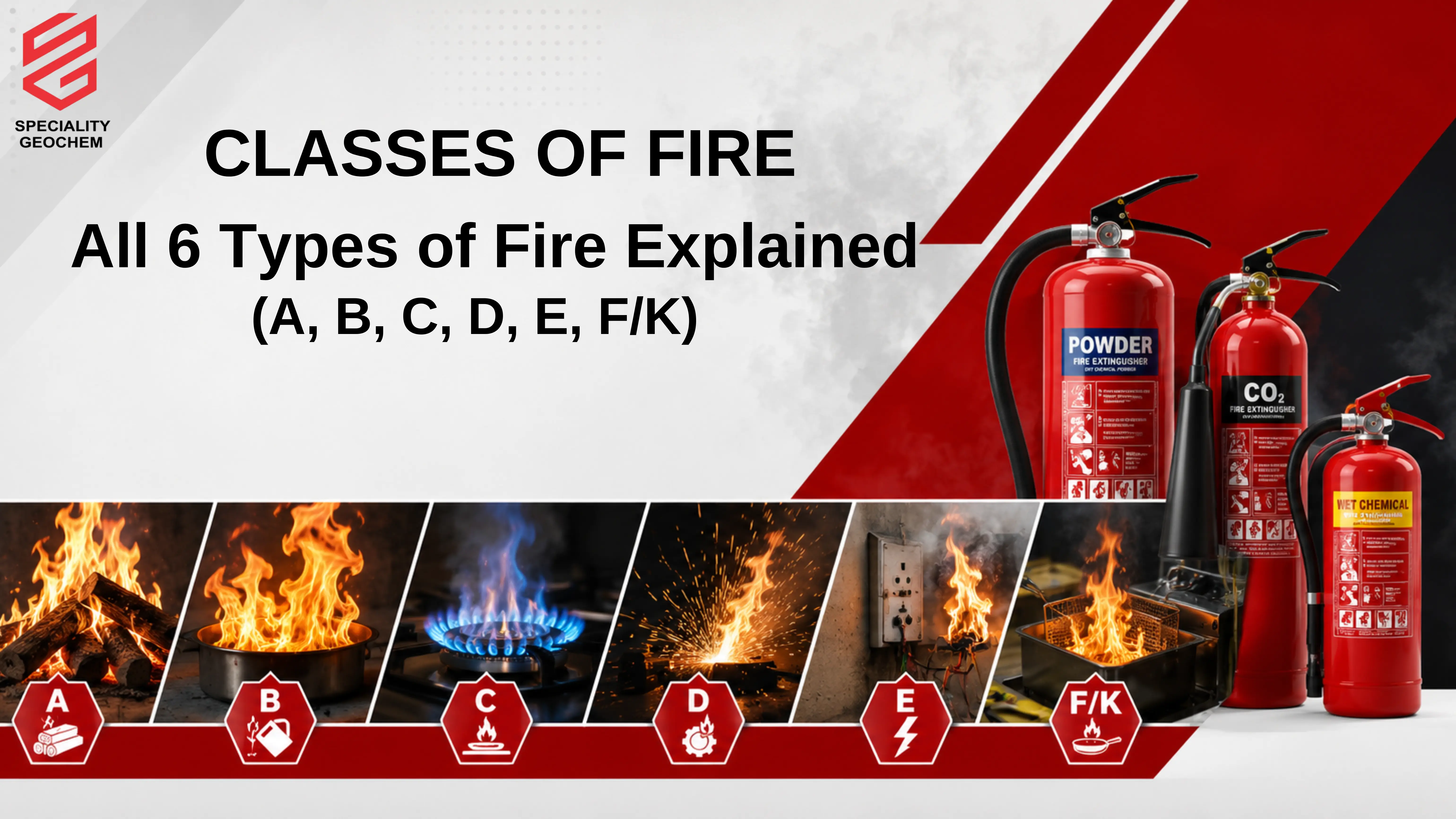
- Covers Class A, B, and C fires
- Cost-effective
- Easy to use
Limitations:
- Leaves powder residue
- Not ideal for sterile areas
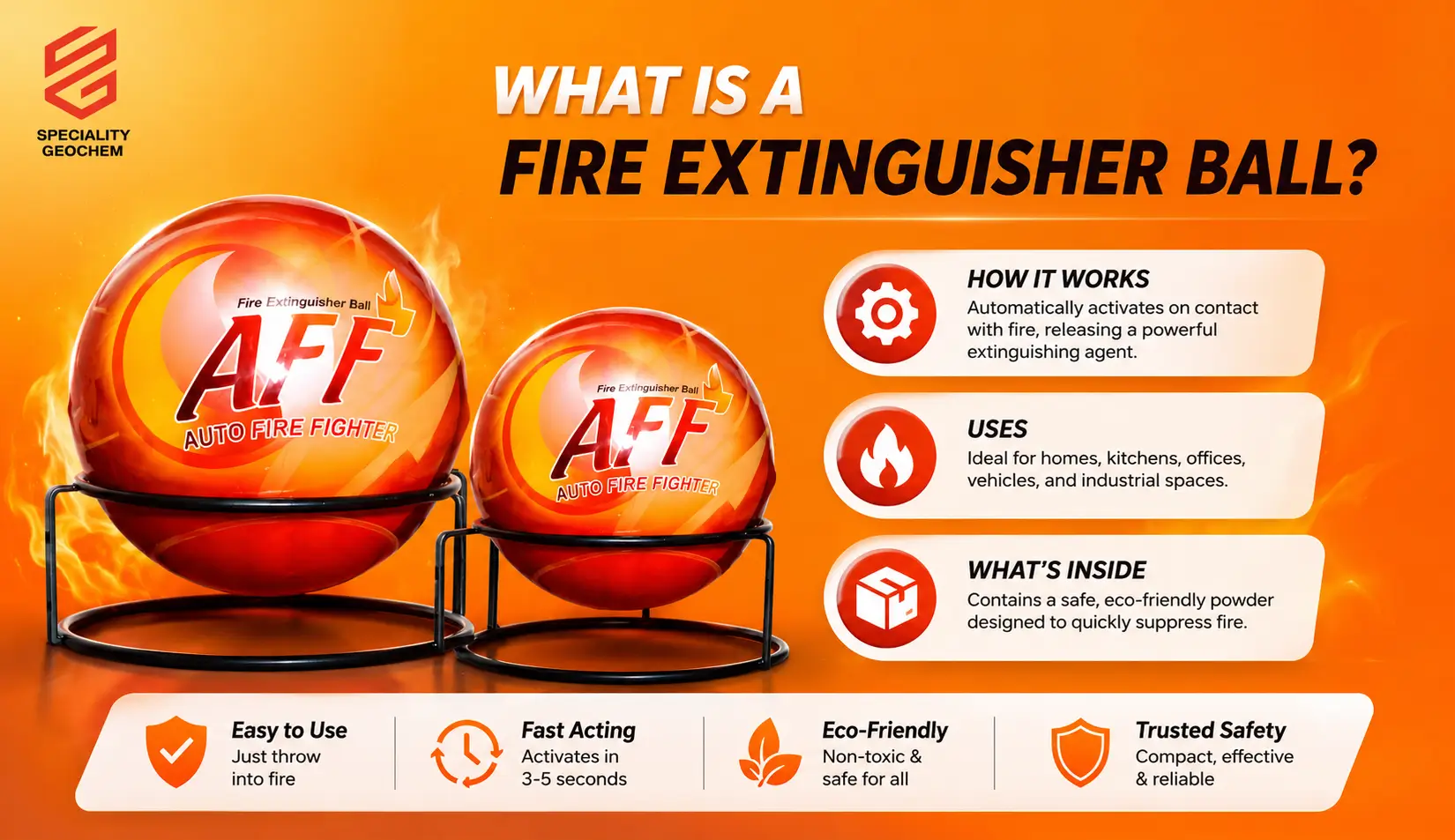
4. Automatic Fire Suppression Cylinders
These systems activate automatically when a fire starts, making them ideal for unmanned or high-risk zones.
Best for:
- Server rooms
- Electrical cabinets
- Storage areas
Special Safety Standards for Hospitals
Hospitals in India must comply with several safety standards, including:
- National Building Code (NBC) of India
- Fire Department approvals
- NABH (National Accreditation Board for Hospitals) guidelines
According to these standards, a Fire Extinguisher Cylinder for Hospitals must:
- Be easily accessible
- Have clear signage
- Be installed at correct heights
- Be regularly inspected and maintained
More importantly, hospital staff must be trained to use them correctly during emergencies.
Importance of Staff Training
Even the best fire extinguisher is useless if people do not know how to use it. In hospitals, staff training is as important as the equipment itself.
Training should include:
- Identifying fire types
- Using the PASS method (Pull, Aim, Squeeze, Sweep)
- Evacuation procedures
- Handling patients during emergencies
Regular fire drills ensure that in real situations, panic is replaced with preparedness.
Maintenance and Inspection: A Critical Factor
Fire extinguishers are not “install and forget” equipment. They require regular checks to ensure reliability.
A proper maintenance plan should include:
- Monthly visual inspection
- Pressure gauge check
- Annual professional servicing
- Refilling or replacement after use
A poorly maintained Fire Extinguisher Cylinder for Hospitals can fail during the most critical moment, leading to severe consequences.
Why Generic Fire Safety Is Not Enough
Many hospitals make the mistake of installing the same fire extinguishers used in offices or malls. This approach ignores the unique risks of healthcare facilities.
Hospitals need:
- Non-toxic extinguishing agents
- Fast response systems
- Minimal disruption to medical services
- Protection for patients who cannot evacuate
Therefore, investing in a specialized Fire Extinguisher Cylinder for Hospitals is not an expense—it is a long-term safety investment.
Choosing the Right Fire Safety Partner
Selecting a reliable manufacturer or supplier is as important as choosing the extinguisher itself.
When selecting a fire safety partner, look for:
- Certified products (ISI, CE, or equivalent)
- Experience in healthcare projects
- After-sales service and AMC (Annual Maintenance Contract)
- Custom fire safety planning
A professional supplier will not just sell cylinders but will also assess your hospital layout and suggest the right combination of equipment.
Future of Fire Safety in Hospitals
With the growth of smart hospitals and advanced medical infrastructure, fire safety is also evolving. Modern hospitals are now adopting:
- Automatic fire detection systems
- IoT-based monitoring of extinguishers
- Integrated fire suppression with building management systems
- Smart alarms and emergency lighting
These technologies enhance the effectiveness of every Fire Extinguisher Cylinder for Hospitals and ensure faster response during emergencies.
Conclusion
Fire safety in hospitals is not optional—it is a critical responsibility. With vulnerable patients, advanced medical equipment, and round-the-clock operations, healthcare facilities require specialized fire protection systems. At Speciality Geochem, we understand these unique challenges and provide reliable, certified fire safety solutions tailored for hospital environments. From selecting the right fire extinguisher cylinders to professional installation and maintenance support, our goal is to ensure maximum safety with minimal disruption. A properly planned Fire Extinguisher Cylinder for Hospitals is more than a safety device—it is a safeguard for human lives, valuable assets, and uninterrupted healthcare services.