
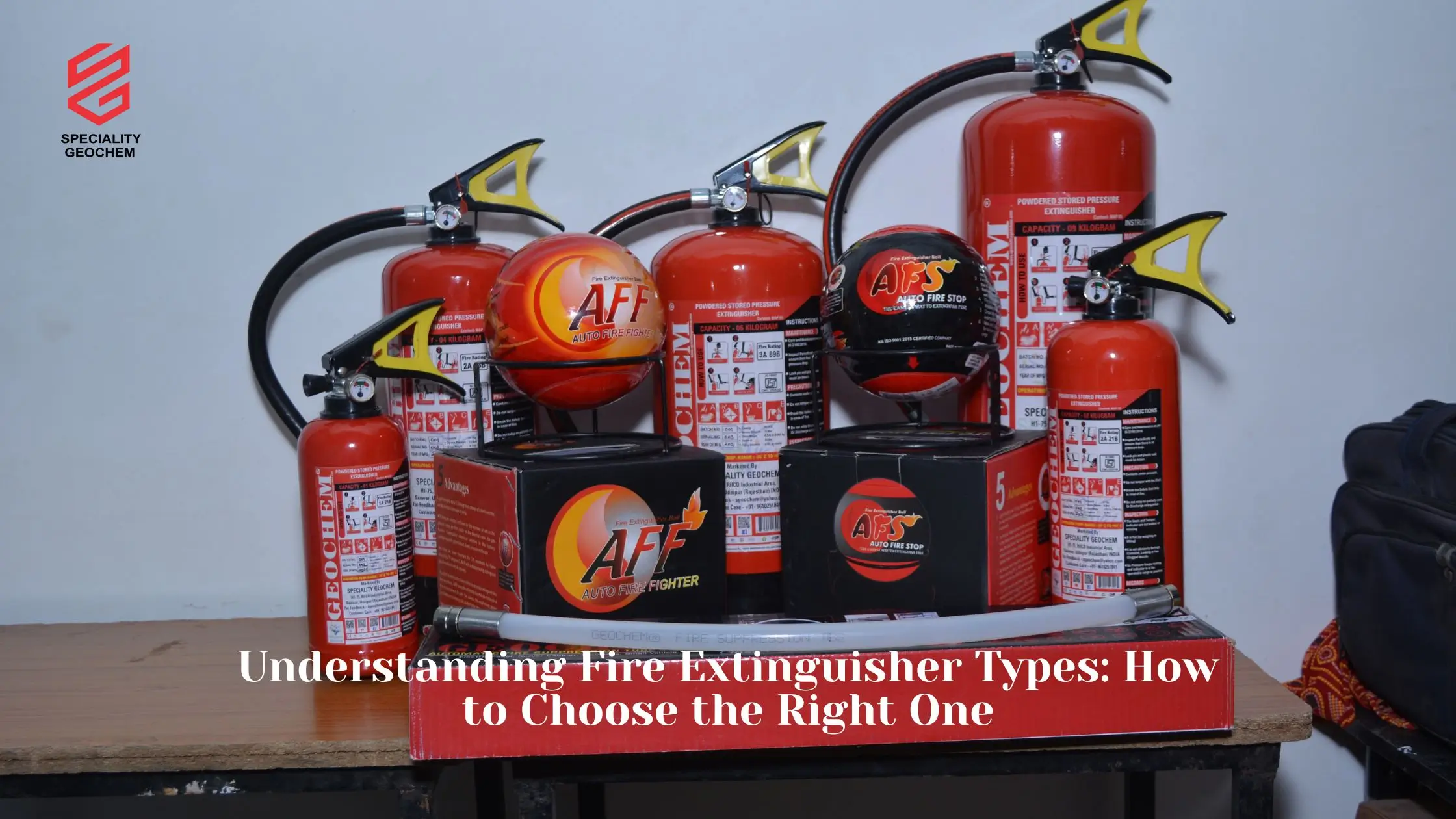
Fire accidents rarely announce their arrival. A small electrical spark, an overheated appliance, or a fuel spill can escalate into a dangerous situation within moments. In such situations, having the right type of fire extinguisher is not just about compliance—it is about protecting lives, property, and business continuity.
Many people purchase a fire extinguisher without fully understanding how it works or whether it is suitable for their environment. This often leads to confusion during emergencies, when every second matters. In this guide, we break down the types of fire extinguishers, their uses, and help you decide whether a traditional fire extinguisher cylinder or a modern fire extinguisher ball is the right choice for your needs.
Understanding Fire Classes Before Choosing an Extinguisher
Before selecting any fire-fighting equipment, it is important to understand fire classifications. Different materials burn differently, and each fire class requires a specific extinguishing method.
- Class A – Solid materials like wood, paper, cloth, rubber, and plastic
- Class B – Flammable liquids such as petrol, diesel, oil, paint, and solvents
- Class C – Flammable gases like LPG, CNG, propane, and butane
- Class D – Combustible metals such as magnesium, sodium, aluminium powder
- Class E – Electrical fires involving live equipment and wiring
Choosing the wrong extinguisher for a particular class of fire can be ineffective—or even dangerous.
Common Types of Fire Extinguisher Cylinders
Fire extinguisher cylinders are the most widely used fire-fighting tools across homes, offices, factories, and vehicles. Each type is designed for specific fire risks.
1. Water Fire Extinguishers (Class A)
Water extinguishers work by cooling the burning material below its ignition temperature.
Best for: Paper, wood, cloth, and solid combustible materials
Not suitable for: Electrical or liquid fires, as water can spread flames or cause electric shock.
2. Foam Fire Extinguishers (Class A & B)
Foam extinguishers form a blanket over burning liquids, cutting off oxygen supply while also cooling the fire.
Best for: Fuel storage areas, workshops, and garages
Limitations: Not recommended for live electrical fires unless specified.
3. Dry Powder Fire Extinguishers (Class A, B, C & E)
Dry powder extinguishers are highly versatile and widely used in industrial and commercial environments.
Best for: Gas fires, liquid fires, and electrical risks
Downside: Leaves residue that may damage electronics and machinery.
4. CO₂ Fire Extinguishers (Class B & E)
Carbon dioxide extinguishers suffocate fires by displacing oxygen.
Best for: Electrical panels, server rooms, and offices
Limitations: Ineffective on Class A fires as there is no cooling effect.
5. Wet Chemical Fire Extinguishers (Class K / F)
Specifically designed for kitchen fires involving cooking oils and fats.
Best for: Commercial kitchens, hotels, and restaurants
Why needed: Cooking oil fires cannot be safely handled by water or powder extinguishers.
Challenges with Traditional Fire Extinguisher Cylinders
While extinguisher cylinders are effective, they come with certain limitations:
- Require human presence and quick reaction
- Need training for proper use
- Regular maintenance and pressure checks are essential
- May be difficult to operate during panic situations
This is where modern fire safety solutions are gaining attention.
Fire Extinguisher Ball: A Modern & Automatic Solution
The fire extinguisher ball is an innovative fire-fighting device designed for automatic activation. Unlike cylinders, it does not require manual operation.
How Does a Fire Extinguisher Ball Work?
- The ball is placed or mounted in fire-prone areas
- When fire comes in contact with the ball, it activates automatically
- It bursts within seconds, releasing fire-suppressing powder
- The explosion sound also acts as an alert system
Key Advantages of Fire Extinguisher Balls
- Automatic operation – no human intervention required
- Easy installation – no training needed
- 24/7 protection, even when no one is present
- Lightweight and compact
- Ideal for homes, electrical panels, warehouses, kitchens, and vehicles
Because of these benefits, fire extinguisher balls are increasingly used as a first-response fire safety device, especially in unattended areas.
Which Fire Extinguisher Do You Really Need?
The right choice depends on risk level, environment, and accessibility.
Homes & Apartments
- Electrical appliances, kitchens, and parking areas are common risk zones
- Best choice: Combination of a small extinguisher cylinder + fire extinguisher ball for automatic safety
Offices & Commercial Buildings
- Electrical panels, IT rooms, and workstations require fast response
- Best choice: CO₂ or dry powder cylinders with fire extinguisher balls installed near high-risk points
Factories & Warehouses
- Presence of machinery, chemicals, and fuel increases fire risk
- Best choice: Industrial-grade extinguisher cylinders supported by automatic fire extinguisher balls
Vehicles
- Engine heat and fuel leaks pose serious hazards
- Best choice: Compact fire extinguisher cylinder or a vehicle-grade fire extinguisher ball
Cylinder vs Fire Extinguisher Ball: A Quick Comparison
| Feature | Extinguisher Cylinder | Fire Extinguisher Ball |
| Operation | Manual | Automatic |
| Training Required | Yes | No |
| Maintenance | Regular servicing | Minimal |
| Response Time | Depends on user | Immediate |
| Ideal Use | Active response | Early-stage & unattended fires |
Why Smart Fire Safety Planning Matters
Fire safety is not about choosing one product, but about creating a layered protection system. Fire extinguisher cylinders are essential for controlled firefighting, while fire extinguisher balls provide immediate suppression when human response is delayed.
Using both together significantly improves safety outcomes, reduces property damage, and saves valuable response time.
Final Thoughts: Make the Right Choice Before an Emergency
Fire emergencies give no second chances, which makes informed preparedness essential. Understanding fire risks and choosing the right protection can significantly reduce damage and save lives. At Speciality Geochem, we believe effective fire safety starts with awareness and reliable equipment. While conventional fire extinguisher cylinders provide proven, manual control during emergencies, modern innovations like the fire extinguisher ball offer automatic, round-the-clock protection for added peace of mind. From homes and offices to factories and vehicles, selecting the right fire-fighting solution today helps prevent irreversible losses tomorrow. Fire safety is not just a precaution—it is a shared responsibility.