
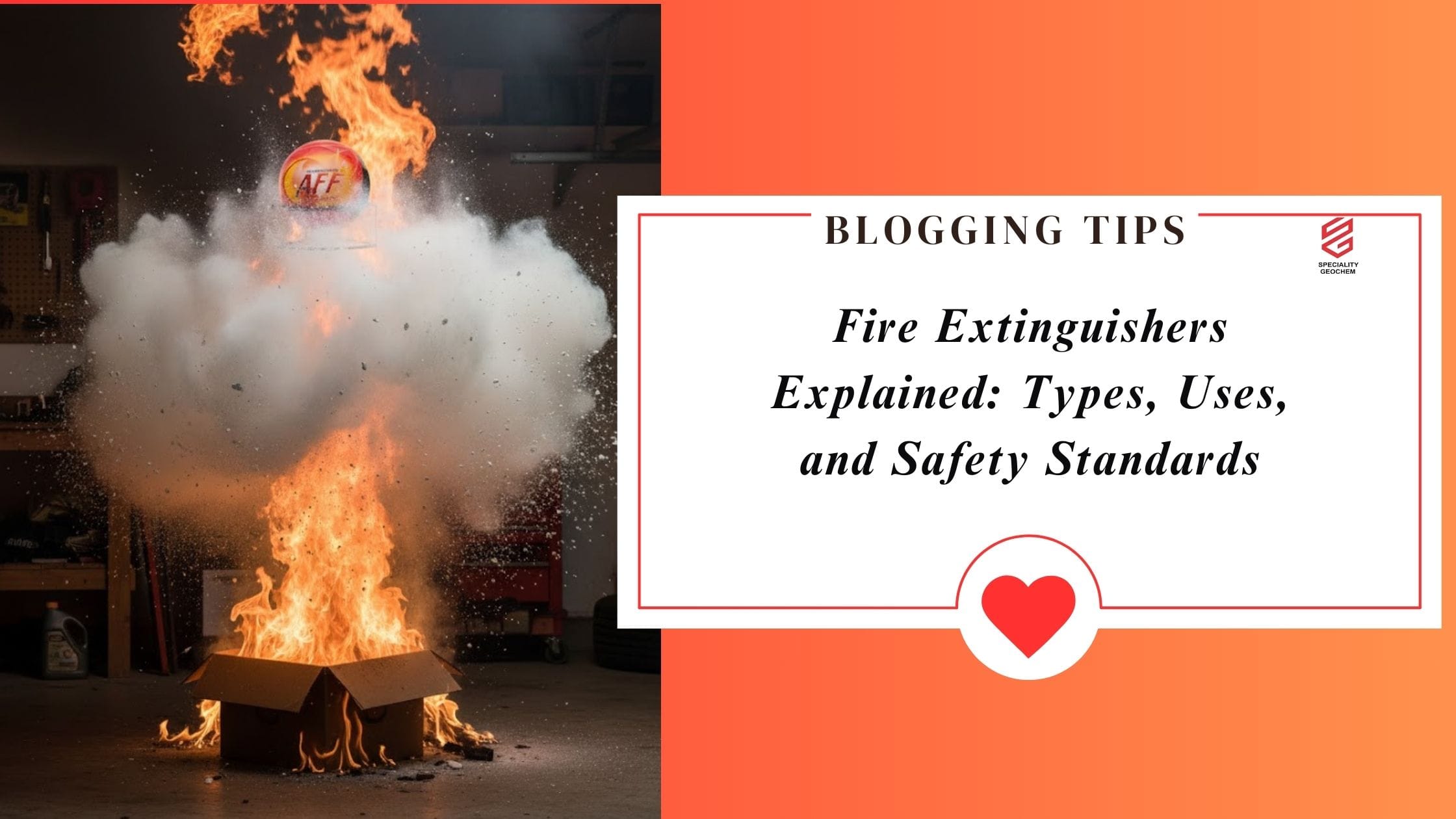
Fire safety is one of the most important yet often overlooked aspects of everyday life. Whether it is a home, office, factory, or commercial building, having the right fire protection system can mean the difference between a minor incident and a major disaster. In this detailed guide, Fire Extinguishers Explained in simple, practical terms to help you understand how they work, where they are used, and why they are essential for safety compliance.
Understanding fire extinguishers is not just about meeting legal requirements—it is about protecting lives, property, and business continuity.
What Is a Fire Extinguisher?
A fire extinguisher is a portable device designed to control or put out small fires in their early stages. It works by removing one or more elements of the fire triangle—heat, fuel, or oxygen. When used correctly, it can prevent fire from spreading before emergency services arrive.
In this article, Fire Extinguishers Explained step by step so that even a non-technical reader can easily grasp their purpose and function.
Types of Fire Extinguishers Explained
Different fires require different extinguishing agents. Using the wrong type can be ineffective or even dangerous. Below are the most common types of fire extinguishers explained clearly.
1. Water Fire Extinguishers
- Best for Class A fires involving solid materials like wood, paper, and cloth
- Not suitable for electrical or flammable liquid fires
- Commonly used in schools, offices, and residential areas
2. Foam Fire Extinguishers
- Suitable for Class A and Class B fires
- Effective against flammable liquids such as petrol and paint
- Creates a blanket that cuts off oxygen
3. Dry Powder Fire Extinguishers
- Works on Class A, B, and C fires
- Ideal for gas fires and industrial environments
- Leaves residue, which may damage sensitive equipment
4. CO₂ Fire Extinguishers
- Best for electrical fires and flammable liquids
- Leaves no residue
- Common in server rooms and offices
5. Wet Chemical Fire Extinguishers
- Designed for Class K fires involving cooking oils and fats
- Common in commercial kitchens and restaurants
When Fire Extinguishers Explained this way, it becomes easier to select the right one for your environment.
Understanding Fire Classes and Their Risks
Fire extinguishers are categorized based on fire classes:
- Class A: Solid materials (wood, paper, textiles)
- Class B: Flammable liquids (oil, petrol, paint)
- Class C: Flammable gases (LPG, CNG)
- Class D: Combustible metals (magnesium, sodium)
- Class K: Cooking oils and fats
Knowing these classes ensures proper extinguisher selection. This is another key reason why Fire Extinguishers Explained knowledge is essential for safety planning.
Fire Extinguisher Cylinder: Design and Importance
A fire extinguisher cylinder is the pressure vessel that stores the extinguishing agent. It is usually made of steel or aluminum and designed to withstand high internal pressure.
Key features of a fire extinguisher cylinder include:
- Strong corrosion-resistant body
- Pressure gauge for monitoring readiness
- Safety pin and tamper seal
- Discharge hose or nozzle
Regular inspection of the cylinder ensures reliability during emergencies. Even the best extinguisher is useless if the cylinder is damaged or pressure is low.
Fire Extinguisher Ball: Automatic Fire Protection
The fire extinguisher ball is a modern innovation in fire safety. Unlike traditional extinguishers, it activates automatically when it comes in contact with flames.
Benefits of a fire extinguisher ball:
- No manual operation required
- Ideal for electrical panels, server rooms, and warehouses
- Lightweight and easy to install
- Suitable for homes and industrial use
This automatic solution adds an extra layer of safety, especially in unattended areas.
How to Use a Fire Extinguisher Correctly
Even the best equipment is ineffective if used incorrectly. The globally accepted PASS method simplifies usage:
- P – Pull the safety pin
- A – Aim at the base of the fire
- S – Squeeze the handle
- S – Sweep from side to side
Training employees and residents on this method ensures preparedness. Once again, Fire Extinguishers Explained in practical terms help people act confidently during emergencies.
Fire Safety Standards and Compliance
Fire extinguishers must comply with national and international safety standards. These standards ensure performance, durability, and reliability.
Key compliance aspects include:
- Proper labeling and classification
- IS/EN/UL certifications
- Periodic inspection and refilling
- Correct placement and signage
Compliance is not optional—it is a legal and moral responsibility for businesses and institutions.
Maintenance and Inspection: Why It Matters
Regular maintenance ensures your fire extinguisher works when needed. Inspections should check:
- Pressure levels
- Physical damage
- Expiry dates
- Accessibility
Ignoring maintenance can result in failure during critical moments.
Choosing the Right Fire Extinguisher for Your Space
Selection depends on:
- Type of fire risk
- Area size
- Occupancy level
- Regulatory requirements
From residential buildings to industrial plants, choosing the correct combination of extinguishers improves overall safety.
Conclusion: Fire Extinguishers Explained for Everyday Safety
Fire safety is not just about equipment—it is about awareness, preparedness, and responsibility. With Fire Extinguishers Explained clearly, users can make informed decisions about installation, usage, and maintenance. From understanding different types and fire classes to knowing the role of a fire extinguisher cylinder and the advantages of a fire extinguisher ball, this knowledge empowers individuals and organizations to protect lives and assets effectively. At Speciality Geochem, we are committed to delivering reliable fire safety solutions that meet quality standards and real-world needs. Investing in the right fire safety solutions today ensures a safer tomorrow for everyone.