
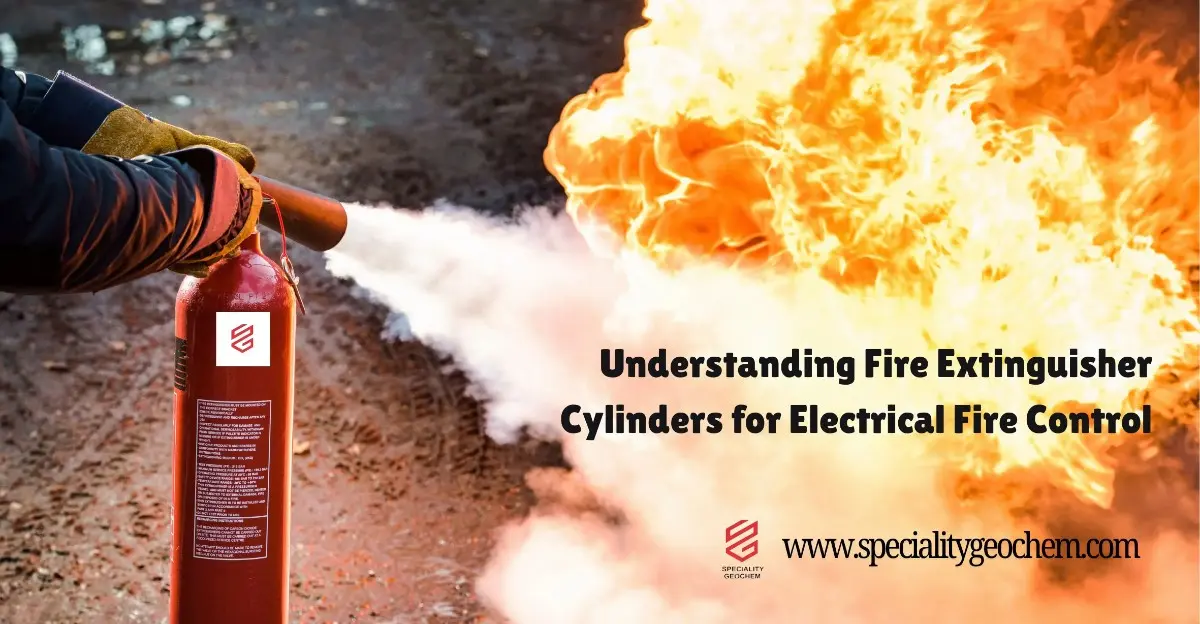
Fire Extinguisher Cylinders for Electrical Fire: Electrical fires are among the most dangerous and unpredictable fire incidents in homes, offices, industries, and commercial facilities. Unlike ordinary fires, electrical fires involve live current, sensitive equipment, and a high risk of re-ignition if handled incorrectly. This is why understanding the role, working, and correct selection of fire extinguisher cylinders designed specifically for electrical fire control is critical for safety, asset protection, and compliance.
In this guide, we break down everything you need to know—from the science behind electrical fires to how the right extinguisher cylinder can prevent a small spark from becoming a major disaster.
What Is an Electrical Fire?
An electrical fire typically occurs when electrical wiring, appliances, or equipment overheat or short-circuit. Common causes include:
- Overloaded circuits
- Faulty wiring or aging cables
- Loose electrical connections
- Defective appliances
- Improper use of extension cords
These fires are classified as Class C fires (or equivalent under different standards), meaning they involve energized electrical equipment. Using water or unsuitable extinguishers can lead to electrocution, equipment damage, and fire spread.
Why Electrical Fires Need Specialized Extinguisher Cylinders
Electrical fires cannot be treated like ordinary paper, wood, or fabric fires. The extinguishing agent must:
- Be non-conductive
- Leave no harmful residue
- Avoid damaging sensitive electrical components
- Effectively interrupt the fire triangle without spreading flames
This is where properly designed extinguisher cylinders play a crucial role. Choosing the wrong type not only reduces effectiveness but also increases danger for the person operating it.
Types of Fire Extinguisher Cylinders Suitable for Electrical Fires
1. CO₂ Fire Extinguisher Cylinders
Carbon dioxide (CO₂) cylinders are one of the most commonly used solutions for electrical fires.
How they work:
CO₂ displaces oxygen around the fire, effectively suffocating the flames without leaving residue.
Best suited for:
- Server rooms
- Electrical panels
- Control rooms
- Data centers
Advantages:
- Non-conductive
- No residue
- Safe for sensitive equipment
Limitations:
- Less effective in open or windy areas
- No cooling effect, so re-ignition is possible
2. Clean Agent Fire Extinguisher Cylinders
Clean agent extinguishers use gases like FM-200, Novec 1230, or similar agents.
How they work:
They interrupt the chemical reaction of fire without reducing oxygen to dangerous levels.
Best suited for:
- IT infrastructure
- Laboratories
- High-value electrical installations
Advantages:
- Zero residue
- Safe for humans and electronics
- Environment-friendly options available
Limitations:
- Higher cost
- Requires correct cylinder sizing
3. Dry Chemical Powder (DCP) Cylinders (Limited Use)
While DCP extinguishers can be used on electrical fires, they are usually considered a secondary option.
Advantages:
- Highly effective flame knockdown
- Versatile fire class coverage
Limitations:
- Powder residue damages electronics
- Cleanup is difficult
- Not ideal for sensitive environments
Understanding Fire Extinguisher Cylinders for Electrical Fire Safety Planning
Selecting the right extinguisher is not only about the agent but also about the cylinder design, pressure rating, discharge control, and placement. Properly engineered cylinders ensure:
- Controlled discharge without scattering flames
- Adequate pressure for quick fire knockdown
- Easy handling during emergencies
- Long-term durability in industrial conditions
This is why understanding Fire Extinguisher Cylinders for Electrical Fire control is essential for safety officers, facility managers, and business owners alike.
Key Factors to Consider When Choosing an Electrical Fire Cylinder
1. Electrical Load and Risk Level
High-voltage areas require different capacity cylinders compared to small office panels.
2. Environment Type
Closed rooms favor CO₂ or clean agent systems, while open areas may need alternative solutions.
3. Equipment Sensitivity
Critical electronics demand residue-free extinguishing agents.
4. Compliance and Standards
Ensure cylinders comply with national and international fire safety standards.
5. Ease of Operation
Clear instructions, ergonomic handles, and visible pressure gauges matter during panic situations.
Installation and Placement Best Practices
Correct placement is as important as the extinguisher itself:
- Install near electrical panels, not directly above them
- Ensure visibility and easy access
- Avoid placing in extreme heat or moisture
- Train staff on proper usage
Strategically placed Fire Extinguisher Cylinders for Electrical Fire incidents can drastically reduce response time and damage.
Maintenance and Inspection: Often Ignored, Always Critical
An extinguisher cylinder that fails during an emergency is worse than having none at all. Regular maintenance includes:
- Monthly visual inspections
- Pressure gauge checks
- Nozzle and hose examination
- Annual professional servicing
Well-maintained Fire Extinguisher Cylinders for Electrical Fire response ensure reliability when seconds matter.
Common Mistakes People Make During Electrical Fires
- Using water on live electrical equipment
- Standing too close while discharging CO₂
- Not cutting off power after extinguishing
- Using undersized extinguishers
- Ignoring re-ignition risks
Training and awareness can prevent these errors and enhance overall fire safety.
Role of Professional Fire Safety Manufacturers
Choosing a trusted fire safety manufacturer ensures:
- Correct cylinder capacity and agent selection
- Compliance with safety norms
- Reliable discharge mechanisms
- Long service life
Companies like Speciality Geochem, with expertise in fire safety equipment manufacturing, focus on delivering reliable, application-specific solutions for electrical fire protection across industries, commercial buildings, and residential projects.
Conclusion: Electrical Fire Safety Is About Preparation
Electrical fires demand swift, informed action because even a small fault can escalate into serious damage within moments. Awareness of how extinguisher cylinders function, correct placement near electrical risk zones, and routine maintenance are essential parts of effective fire preparedness. At Speciality Geochem, we believe fire safety is not limited to products alone—it is about dependable design, quality manufacturing, and real-world reliability. By choosing the right solutions, training people to respond correctly, and maintaining equipment consistently, businesses and households can protect lives, critical assets, and operations. Investing in the right fire safety approach today ensures confidence, continuity, and long-term peace of mind tomorrow.