
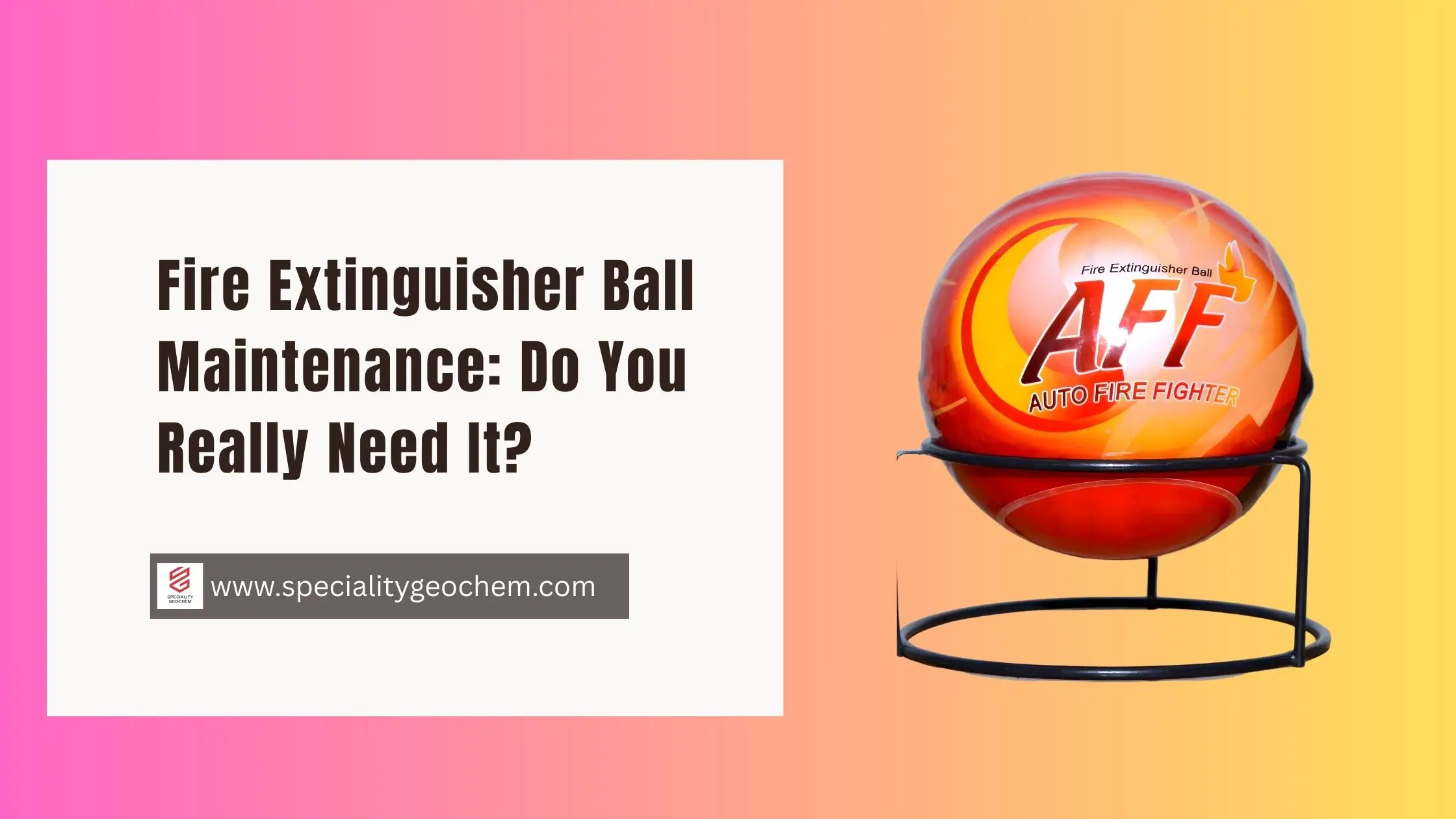
Fire safety equipment is often installed with the intention of protecting lives and property during unexpected emergencies. However, many people assume that once a fire safety device is installed, it will continue to function perfectly forever. This assumption can become risky, especially when it comes to modern automatic fire protection tools like fire extinguisher balls. A common question raised by homeowners, industries, and commercial establishments is whether Fire Extinguisher Ball Maintenance is actually required or not.
Understanding how these devices work and how they should be cared for helps ensure long-term reliability and safety.
Understanding How a Fire Extinguisher Ball Works
A fire extinguisher ball is designed to automatically suppress fire when it comes into contact with flames. Unlike traditional extinguishers that require manual handling, this device activates on its own once exposed to high temperatures. The internal extinguishing powder disperses instantly, controlling the fire before it spreads further.
Because of its automatic nature, many users believe maintenance is unnecessary. While it is true that these devices require far less attention than conventional extinguishers, ignoring basic inspection practices is not recommended.
Is Maintenance Really Necessary?
The simple answer is yes—but not in the complicated way most people imagine.
Fire Extinguisher Ball Maintenance does not involve refilling, pressure testing, or mechanical servicing like standard fire cylinders. Instead, maintenance mainly focuses on ensuring the device remains in proper working condition and is positioned correctly.
Regular checks help confirm that the ball has not been physically damaged, exposed to moisture, or displaced from its intended installation location. Even the most advanced safety equipment performs effectively only when stored and maintained properly.
Why Maintenance Matters for Fire Safety
Fire emergencies occur without warning. During such situations, there is no time to inspect or adjust equipment. A neglected safety device may fail due to environmental damage rather than manufacturing defects.
Proper Fire Extinguisher Ball Maintenance ensures:
- Immediate activation during fire exposure
- Maximum extinguishing efficiency
- Extended product lifespan
- Reliable protection for people and property
Dust accumulation, accidental impact, or exposure to chemicals may gradually affect performance. Preventive inspection eliminates these risks early.
How Often Should You Inspect a Fire Extinguisher Ball?
One of the advantages of this technology is minimal upkeep. Unlike traditional extinguishers that require professional servicing every few months, fire extinguisher balls need only periodic visual inspection.
A simple check every three to six months is usually sufficient. During inspection, ensure:
- The outer shell is intact
- No cracks or deformation are visible
- Installation brackets remain secure
- The device is not blocked or covered
This basic routine forms an essential part of responsible Fire Extinguisher Ball Maintenance without demanding technical expertise.
Ideal Installation Conditions Reduce Maintenance Needs
Correct placement significantly reduces maintenance requirements. Fire extinguisher balls perform best when installed in locations prone to fire risk but protected from unnecessary environmental stress.
Recommended areas include:
- Electrical panels
- Server rooms
- Kitchens
- Warehouses
- Fuel storage areas
- Machinery zones
Avoid installing the device where it may face continuous water exposure, extreme mechanical vibration, or heavy impact. Proper installation itself acts as preventive maintenance.
Common Misconceptions About Maintenance
Many users either completely ignore maintenance or assume it requires professional servicing contracts. Both assumptions are incorrect.
Some common myths include:
Myth 1: Fire extinguisher balls never need checking
Even maintenance-free products benefit from periodic inspection.
Myth 2: Refilling is required annually
Most fire extinguisher balls are sealed units and do not require refilling unless activated.
Myth 3: Maintenance is expensive
In reality, Fire Extinguisher Ball Maintenance involves only visual checks and safe storage practices.
Understanding these facts helps organizations maintain fire readiness without unnecessary cost.
Signs That Replacement May Be Required
Although designed for durability, fire extinguisher balls should be replaced under certain conditions:
- Visible cracks or damage on the outer casing
- Exposure to water for prolonged periods
- Chemical contamination
- Expired product lifespan
- Previous activation during fire
Routine inspection helps identify these warning signs early and ensures uninterrupted safety coverage.
Maintenance Benefits for Homes and Businesses
Whether used in residential apartments or industrial facilities, proper maintenance enhances overall fire preparedness.
For homeowners, it ensures kitchen and electrical safety. For commercial establishments, it supports workplace compliance and employee protection. Industrial environments benefit even more, as automated fire response reduces operational loss during emergencies.
Consistent Fire Extinguisher Ball Maintenance also builds confidence among occupants, knowing that safety equipment is always ready for action.
Comparing Maintenance with Traditional Fire Extinguishers
Traditional fire extinguishers require pressure monitoring, refilling, nozzle cleaning, and periodic certification. This process often involves trained technicians and recurring costs.
In comparison, fire extinguisher balls offer a simplified solution:
- No pressure gauge monitoring
- No refilling requirement
- No operational training needed
- Minimal inspection effort
This reduced maintenance demand makes them highly suitable for modern safety planning, especially in locations where manual response may be delayed.
Best Practices for Long-Term Performance
To ensure reliable functioning over the years, follow these practical tips:
- Install the device at recommended height and location
- Keep it visible and unobstructed
- Avoid stacking materials around it
- Perform scheduled visual inspections
- Replace immediately after activation
These small steps make Fire Extinguisher Ball Maintenance easy and effective without technical complications.
The Role of Awareness in Maintenance
Many fire incidents escalate simply because safety equipment was ignored after installation. Awareness plays a crucial role in maintaining readiness.
Training staff or family members to recognize inspection needs can significantly improve safety outcomes. Even a short monthly walkthrough of fire-prone areas ensures that all devices remain functional.
Maintenance is not about complex servicing—it is about responsibility and preparedness.
Final Thoughts
At Speciality Geochem, fire safety solutions are developed to provide reliable protection with minimal upkeep. Fire extinguisher balls are designed for automatic activation, making them a practical investment for homes, offices, and industrial spaces. Although these devices require very little attention, routine visual inspection ensures they remain fully functional during emergencies. Proper placement, damage checks, and timely replacement help maintain optimal performance. Fire Extinguisher Ball Maintenance is not complicated—it simply focuses on preparedness. Spending a few moments on periodic checks ensures continuous safety, protecting valuable assets, infrastructure, and most importantly, human lives when unexpected fire risks occur.