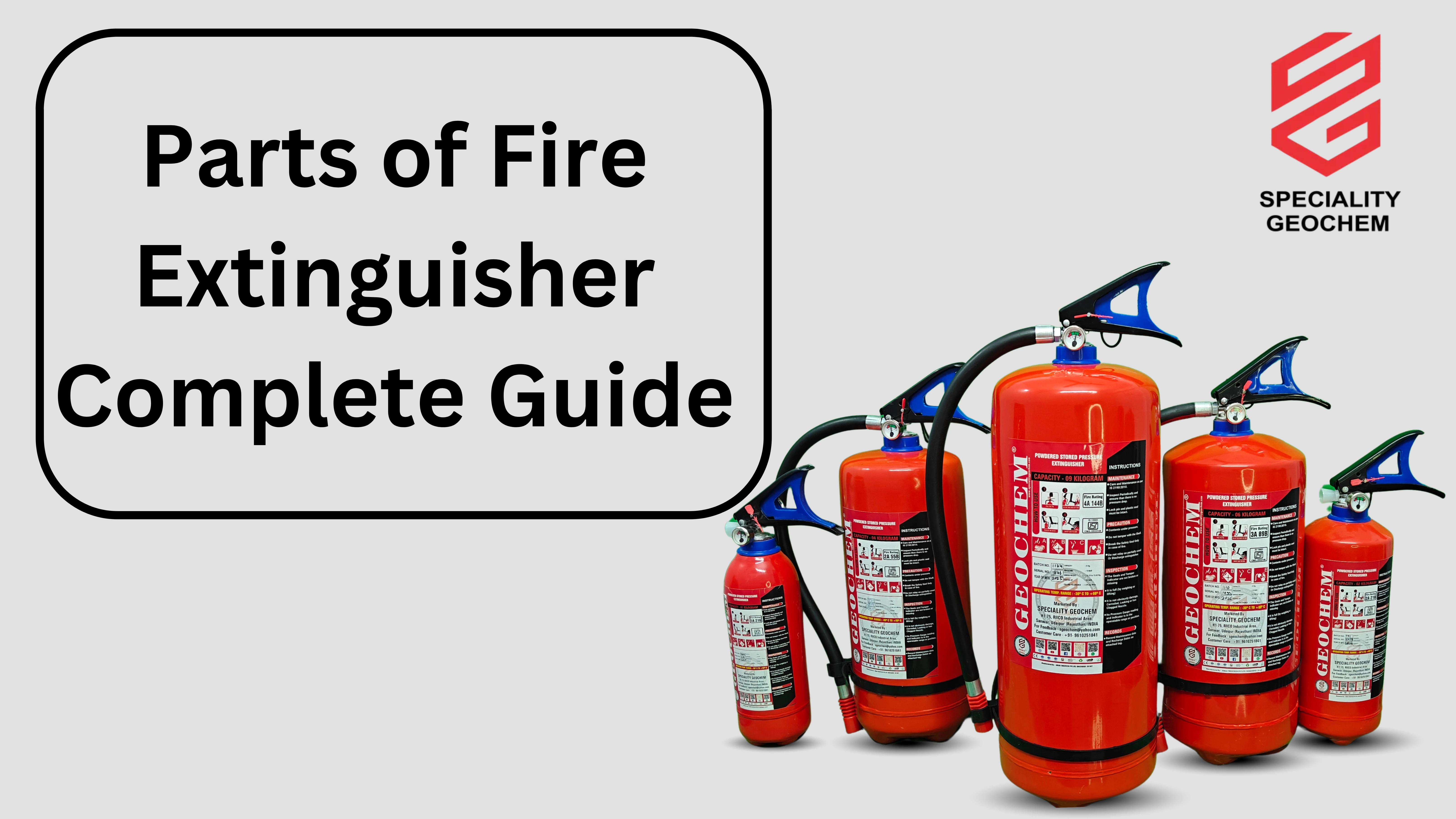
Fire safety is one of the most critical aspects of managing any office or commercial space. Whether it is a small office, corporate building, warehouse, retail store, or industrial facility, fire risks can arise at any time due to electrical faults, overheating equipment, flammable materials, or human error. A fire extinguisher cylinder is often the first and most effective line of defense in controlling small fires before they escalate into major disasters.
Understanding the Fire Extinguisher Cylinder Requirements for Office environments is essential for ensuring employee safety, protecting valuable assets, and complying with fire safety regulations. This guide explains the key requirements, types, placement rules, maintenance needs, and compliance standards to help you create a safer workplace.
Why Fire Extinguisher Cylinders Are Essential in Offices
Every office contains potential fire hazards such as computers, printers, wiring systems, paper documents, and air conditioning units. Even a small electrical spark can quickly develop into a dangerous fire if not controlled immediately.
Fire extinguisher cylinders provide the ability to:
- Control fires at an early stage
- Protect employees and visitors
- Prevent damage to office infrastructure
- Reduce financial losses
- Ensure compliance with fire safety regulations
Without proper fire extinguisher systems, even a minor fire incident can disrupt operations and cause severe consequences.
Types of Fire Extinguisher Cylinders Required for Offices
Selecting the right type of fire extinguisher cylinder is crucial because different fires require different extinguishing agents.
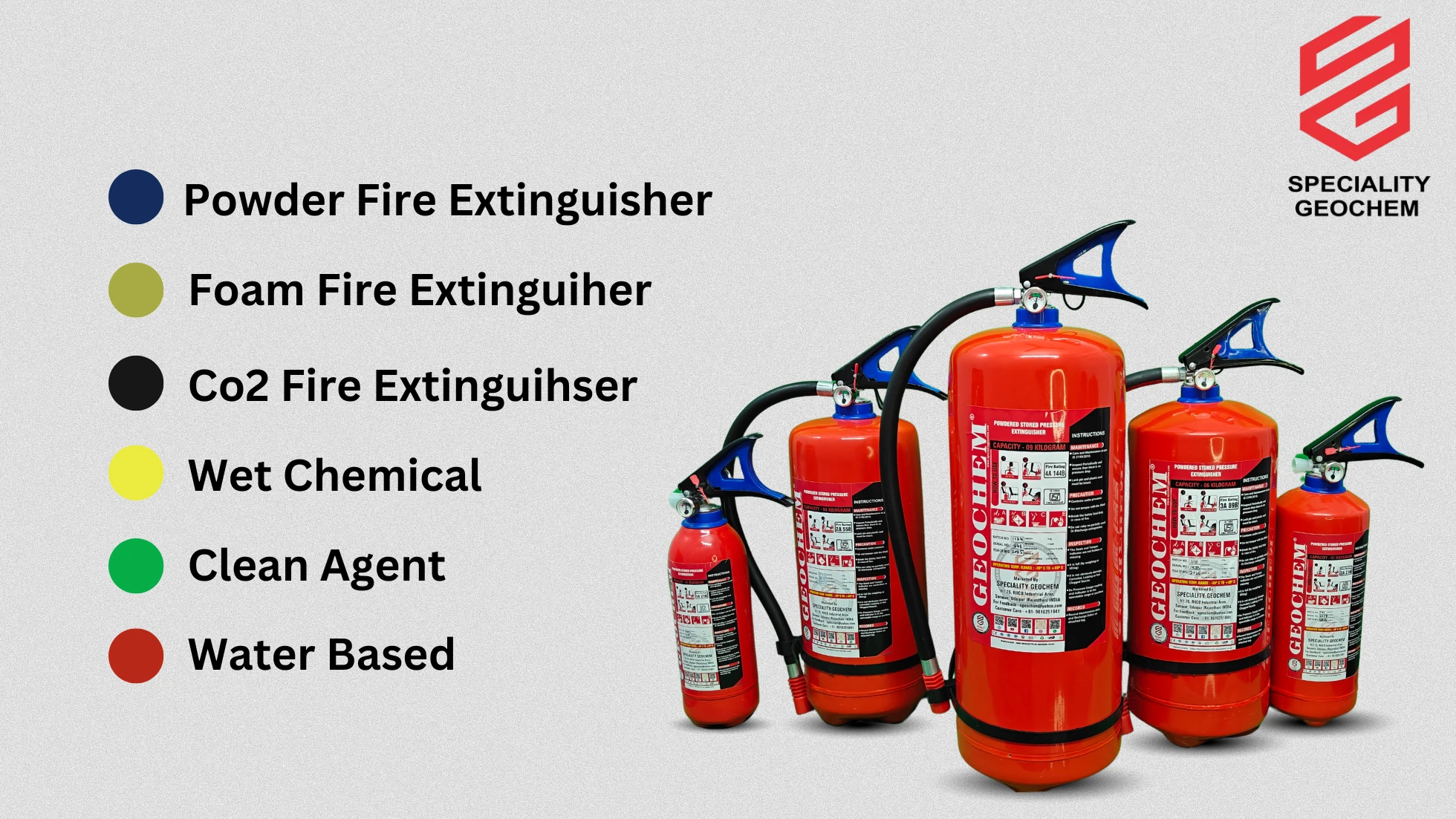
1. ABC Dry Powder Fire Extinguisher Cylinder
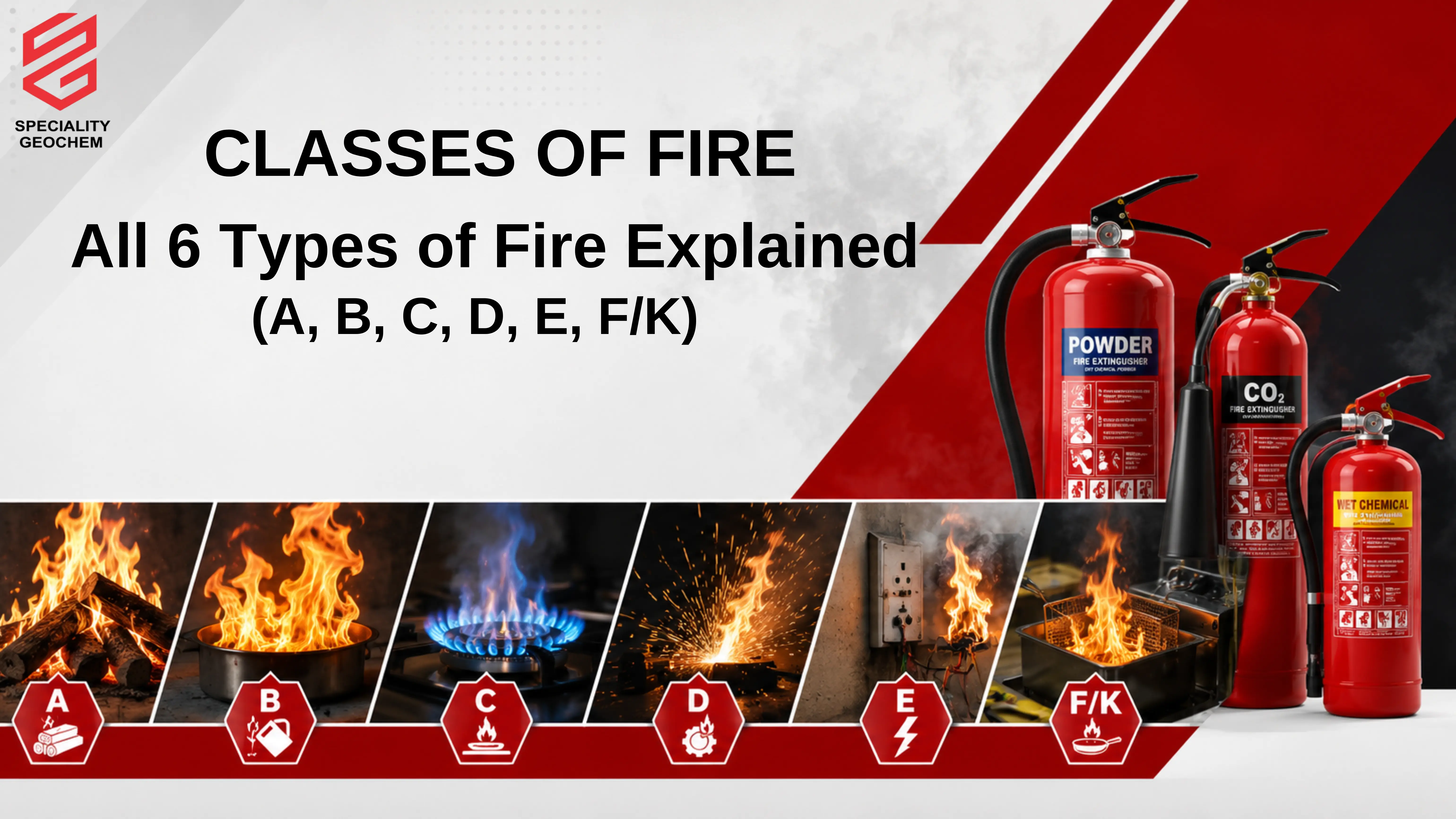
This is the most commonly used extinguisher in office environments. It is effective for:
- Class A: Paper, wood, cloth
- Class B: Flammable liquids
- Class C: Electrical fires
ABC fire extinguisher cylinders are ideal for offices because they can handle multiple fire types.
2. CO₂ Fire Extinguisher Cylinder
CO₂ extinguishers are specifically designed for electrical fires and electronic equipment.
They are suitable for:
- Server rooms
- Electrical panels
- Computer labs
- Offices with sensitive electronics
CO₂ does not leave residue, making it perfect for protecting electronic devices.
3. Water Fire Extinguisher Cylinder
Water extinguishers are effective for:
- Paper fires
- Wood fires
- Fabric fires
However, they should not be used for electrical or chemical fires.
4. Foam Fire Extinguisher Cylinder
Foam extinguishers are used for:
- Flammable liquids
- Solid combustibles
They are suitable for office kitchens, storage areas, and fuel storage zones.
Choosing the correct combination of extinguisher cylinders ensures maximum protection.
Standard Fire Extinguisher Cylinder Capacity Requirements
Fire extinguisher cylinders are available in various sizes. The size depends on the office area and risk level.
Common office cylinder sizes include:
-
1 kg – Suitable for small cabins, server racks, and electrical panels
-
2 kg – Ideal for small offices, cabins, and reception areas
-
4 kg – Recommended for medium-sized offices and workspaces
-
6 kg – Standard size for office floors and general commercial use
-
9 kg – Suitable for large commercial spaces, warehouses, and industrial areas
Larger offices require multiple cylinders placed strategically.
The Fire Extinguisher Cylinder Requirements for Office safety typically recommend at least one extinguisher for every 200–300 square meters.
Proper Placement of Fire Extinguisher Cylinders
Placement is one of the most important aspects of fire safety.
Fire extinguisher cylinders should be installed:
- Near exits and entry points
- Along evacuation routes
- Near electrical panels
- Near server rooms
- Near high-risk equipment
They must be clearly visible and easily accessible.
Mounting height should allow easy reach for all employees, usually about 1 to 1.5 meters above the floor.
Avoid placing extinguishers behind doors, furniture, or hidden locations.
Legal and Compliance Requirements in Commercial Spaces
Fire safety compliance is mandatory for offices and commercial buildings. Authorities such as the Fire Department and safety regulatory bodies require businesses to install certified fire extinguisher cylinders.
Important compliance requirements include:
- BIS (Bureau of Indian Standards) certified cylinders
- Regular inspection and maintenance
- Proper labeling and usage instructions
- Valid refilling and service records
- Installation according to fire safety guidelines
Failure to comply can result in penalties, legal action, or business closure.
Following proper Fire Extinguisher Cylinder Requirements for Office helps organizations meet legal safety standards.
Maintenance and Inspection Requirements
Installing fire extinguisher cylinders is not enough. Regular maintenance is essential to ensure they function properly during emergencies.
Maintenance requirements include:
Monthly Inspection
Check for:
- Physical damage
- Pressure gauge status
- Leakage
- Accessibility
Annual Maintenance
Professional servicing should include:
- Refilling
- Pressure testing
- Valve inspection
- Component replacement if needed
Hydrostatic Testing
This test ensures cylinder strength and safety. It is usually required every 5 years.
Proper maintenance ensures reliability and compliance.
Fire Extinguisher Cylinder Marking and Label Requirements
Every fire extinguisher cylinder must have proper labeling.
Required markings include:
- Manufacturer name
- Manufacturing date
- Expiry date
- Extinguisher type
- Capacity
- Usage instructions
- Certification marks
Clear labeling helps employees use extinguishers correctly during emergencies.
Employee Training and Awareness
Even the best fire extinguisher cylinder is useless if employees do not know how to use it.
Offices should conduct regular fire safety training that includes:
- Fire extinguisher usage demonstration
- Emergency evacuation drills
- Fire hazard identification
- Safety awareness programs
Employees should understand the PASS method:
- Pull the pin
- Aim at the base of fire
- Squeeze the handle
- Sweep side to side
Training improves emergency response and reduces panic.
Fire Risk Assessment for Offices
Every office should conduct regular fire risk assessments.
This includes identifying:
- Electrical hazards
- Flammable materials
- Equipment overheating risks
- High-risk zones
Based on the risk level, proper extinguisher types and quantities should be installed.
Risk assessment helps determine the exact Fire Extinguisher Cylinder Requirements for Office safety planning.
Common Mistakes Offices Should Avoid
Many offices make mistakes that compromise fire safety.
Avoid these common errors:
- Installing the wrong type of extinguisher
- Insufficient number of cylinders
- Poor placement
- Lack of maintenance
- Expired extinguishers
- No employee training
These mistakes can result in extinguisher failure during emergencies.
Benefits of Proper Fire Extinguisher Cylinder Installation
Installing proper fire extinguisher cylinders offers several benefits:
Enhanced Employee Safety
Immediate fire control reduces injury risks.
Protection of Assets
Prevents damage to office infrastructure and equipment.
Legal Compliance
Ensures adherence to fire safety regulations.
Business Continuity
Prevents downtime caused by fire incidents.
Reduced Financial Loss
Minimizes property damage and repair costs.
Choosing the Right Fire Extinguisher Supplier
Selecting a reliable supplier is important for quality and compliance.
Choose suppliers that provide:
- BIS-certified fire extinguisher cylinders
- Installation support
- Maintenance services
- Refilling services
- Fire safety consultation
Quality cylinders ensure long-term safety.
Conclusion
In conclusion, following proper Fire Extinguisher Cylinder Requirements for Office spaces is essential for ensuring workplace safety and regulatory compliance. Every commercial establishment must prioritize reliable fire protection systems to prevent potential disasters. At Speciality Geochem, we are committed to providing high-quality fire extinguisher cylinders that meet safety standards and offer dependable protection. Our products are designed to respond effectively during emergencies and safeguard lives and valuable assets. Choosing the right fire safety solutions and partnering with a trusted manufacturer like Speciality Geochem helps businesses build a secure, compliant, and well-protected environment for long-term operational safety.